
Category Archives: Community

Tips on how to save on the high cost of groceries

High Cost Blog image

A staggering 20% of food that Australians buy goes into the bin unused or expired. By being mindful of shopping habits and making small changes, you can enjoy both the benefits of saving money and eating healthily while also doing your part to reduce food waste.

Here are a few quick tips;

  • Planning your meals for the week can help you make a grocery list that ensures you only buy what you need, reducing the risk of impulse purchases.
  • Look for sales and discounts on items you regularly use and consider buying in bulk for items with a longer shelf life.
  • Opting for seasonal fruits and vegetables can not only save you money but also provide you with fresh and flavourful ingredients for your meals.

Be Prepared

By checking what you already have at home and aligning your meals with what’s on sale, you can not only save money but also make sure you’re eating balanced and nutritious meals. Once you have your plan and shopping list ready, you’ll find that grocery shopping becomes more efficient and cost-effective.

Reviewing supermarket catalogues can provide an insight into items that are on special, providing additional savings. Plus, having a meal plan in place can help you stay organised throughout the week and reduce food waste.

Take the time to plan, and you’ll enjoy the benefits of healthier choices and a happier wallet.

Timing the Shopping Adventure

Timing can play in your favour, as supermarkets often mark down prices later in the day. Items like bakery goods, fruits, vegetables, meat, and dairy typically go on sale in the evenings. Opting for canned or frozen foods can also help reduce food waste.

Purchase fruits and vegetables unpackaged, rather than pre-packaged, to help cut down on food waste (you only buy what you need) and be more eco-friendly. Buying in bulk during sales can save money, but ensure you have a storage plan in place to prevent spoilage, as it won’t be a deal if it goes to waste.

When buying meat, consider purchasing larger cuts and dividing them into smaller portions for future meals. This not only saves money but also reduces the risk of food spoilage. Additionally, try to plan your meals ahead of time to make sure you use up all the ingredients you purchase.

Leftovers can be transformed into delicious new dishes to prevent them from being thrown away. By being mindful of your purchasing habits and making smart choices, you can not only save money but also contribute to reducing food waste and being more environmentally conscious.

Prepare Locally and Expand Shelf Lives

By being mindful of your food choices and storage methods, you can enjoy delicious meals without breaking the bank.

  • Explore local farmer’s markets can provide you with fresh, seasonal produce at affordable prices.
  • Get creative in the kitchen by trying out new recipes that incorporate leftovers or make use of ingredients that are on sale.
  • To preserve your fresh produce, keep it away from direct sunlight and separate ripe fruits from less ripe ones to avoid hastening the ripening process.
  • When storing vegetables and fruits in plastic bags or containers, include two sheets of paper towel to absorb excess moisture and prevent spoilage.
  • Some fruits and vegetables naturally have a longer shelf life and are wise choices for your weekly shopping list, such as cabbage, celery, carrots, onions, fresh beetroot, potatoes, and pumpkin.

Meat advice

Meat can be a pricey item in your shopping list. Supporting local butchers for your meat needs is not only a great way to connect with your community but also a sustainable choice that can help reduce waste and cut down on costs.

Buying in smaller quantities can help minimize waste and ensure that you are only purchasing what you need. Understanding the recommended serving sizes for cooking can be beneficial, as we tend to overindulge in meat. Aiming for around 100g of uncooked meat or chicken by weight is ideal.

To stretch meat dishes, consider adding budget-friendly ingredients like tinned lentils and beans, which complement dishes such as tacos, bolognaise, meatloaf, and burger patties.

If you need some help with menu planning or if you have some specific dietary or health requirements our Empower Dietitians offer practical solutions for improving nutrition and wellbeing on any budget.

Get Started With Our Home Care & NDIS Services

Simply click on the image below for our referral form.
Referral on-boarding now completed online in minutes

MORE BLOGS

Trust your Gut – a guide to help you eat your way to wellness

Nutrition and the immune system

Meet Community Speech Pathologist Sharon

Sharon Speechie web


Sharon Speechie web

Passionate Speech Pathologist enjoys new challenges and assisting clients in the community.

Sharon joined Empower Healthcare to focus on working with adults and guiding students on placement, aligning with her career aspirations.

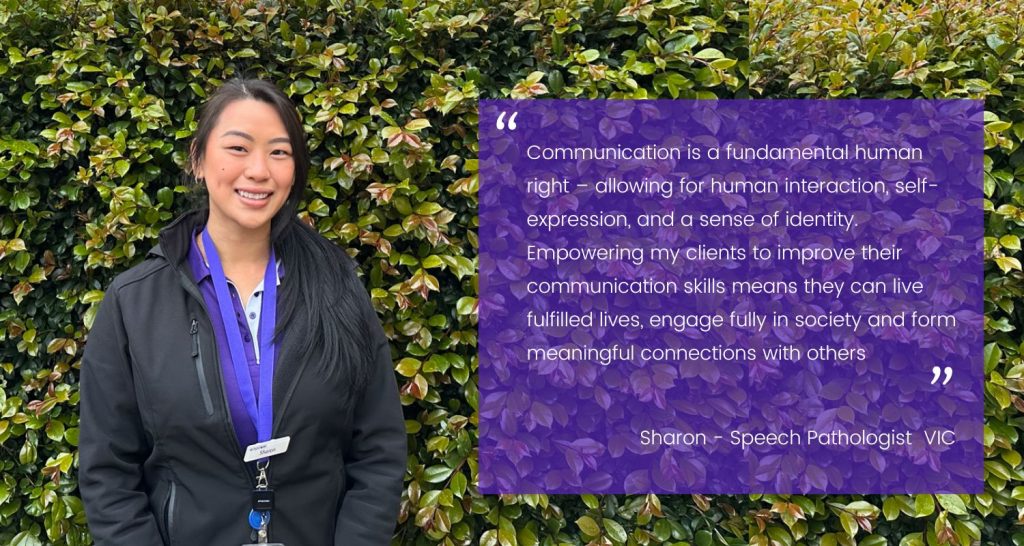
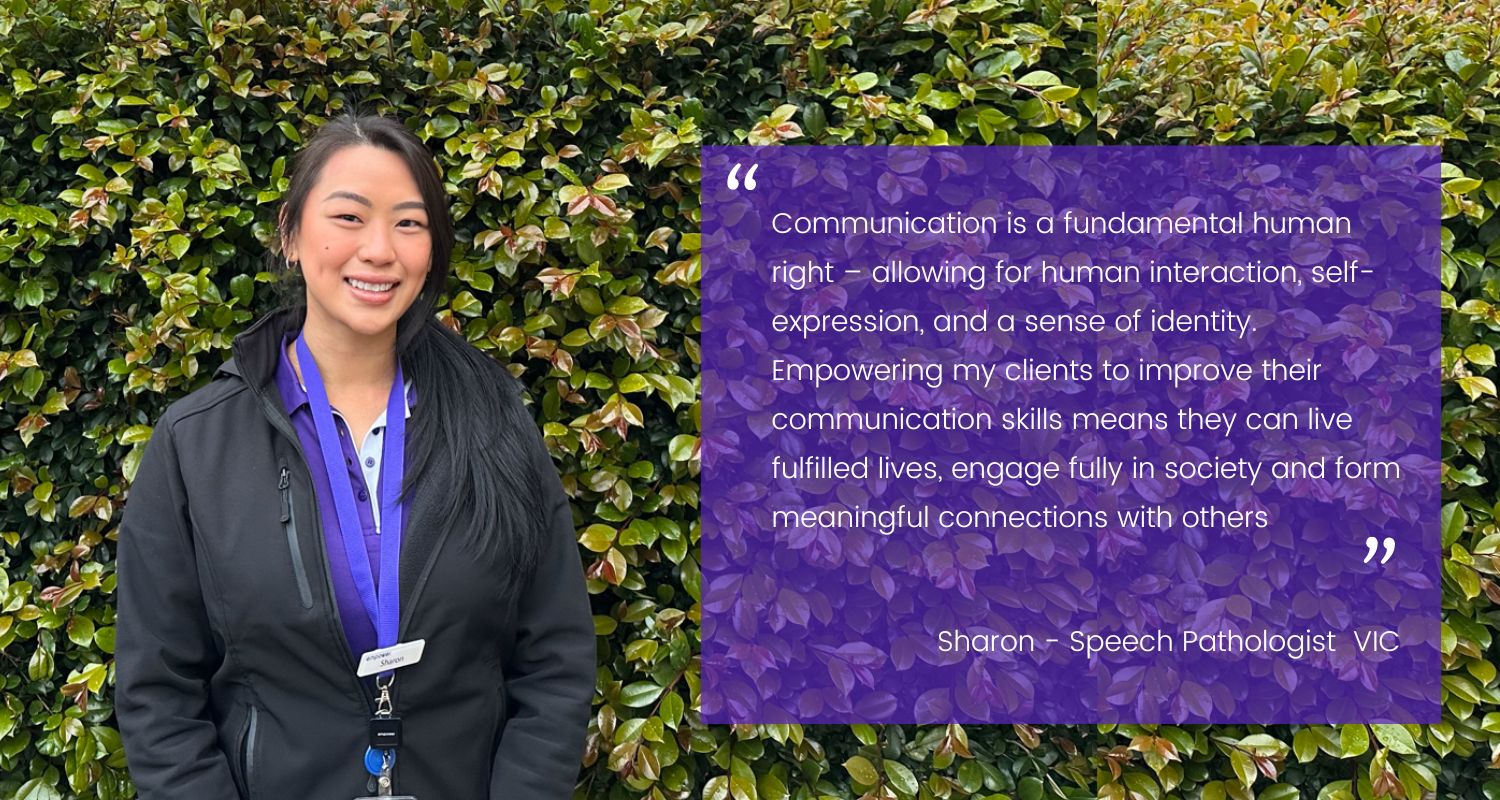
Her daily work is driven by the belief that communication is a fundamental human right, enabling interaction, self-expression, and identity.

The gratitude and positive feedback she receives from clients inspire and affirm the significant impact she is making on people’s lives.

Sharon works with Home Care and NDIS clients in Victoria’s North and West. Her scope of practice includes working with adults with neurological conditions and swallowing and communication disorders. Sharon empowers clients to improve their communication skills to help them actively engage in society to form meaningful connections.

Outside of work she prioritises physical and mental well-being by dedicating time to strength training and relaxing in an infrared sauna post-workout. Meditation is also essential to her to help find tranquility and mental clarity amidst a busy schedule. She is always eager to explore new ways to enhance overall well-being for both herself and the people she cares for.

Get Started With Our Home Care & NDIS Services

Simply click on the image below for our referral form.

Referral on-boarding now completed online in minutes


More blogs

More about our Speech Pathology services

Managing Salt Intake

Massage & Chronic Pain: Knot Your Average Pain Relief

Massage blog web

Massage blog web

In the world of healthcare, the power of massage therapy goes far beyond relaxation for older clients.

At our core, we believe in the transformative impact of massage on quality of life, promoting independence and providing care tailored to each individual.

In 2022, over 4 million Australians were living with chronic pain and the prevalence increases as we age, 80% are aged care residents. With an ever rapidly growing aged population, this number is increasing at a rapid rate each year.

Chronic pain is any pain that persists for more than 3 months.

The four most common sources of chronic pain include:

  1. Lower back – can be debilitating and restrict activity
  2. Cancer Pain – a common issue for individuals with advanced cancer.
  3. Arthritis Pain – often manifests as joint stiffness or swelling.
  4. Headaches – including migraines, cluster headaches, and tension headaches, are among the most prevalent chronic headaches.

The sensation of pain is the result of a series of messages that swiftly travel through the nervous system. Pain sensors activate in a specific area when experiencing an injury. These sensors transmit an electrical signal that progresses from one nerve to another until it reaches your brain. Your brain interprets the signal and sends a message to you, yelling, IT HURTS!

Our mission is to enhance the well-being of each person regardless of health status. By focusing on individualized care and empowering our clients to take control of their health and happiness, we aim to create a space where everyone feels valued and supported on their journey towards better quality of life. Our team is dedicated to providing the highest standard of care.

How does massage help sufferers of chronic pain?

  • Massage therapy for chronic pain decreases pain, tension, stress, enhances relaxation and improves range of motion.
  • Massage therapy is a non-invasive method used to manage chronic pain. While it’s not a cure for chronic diseases, when combined with physical activity and a treatment plan, massage can effectively reduce pain, alleviate stress, and positively impact the lives of individuals dealing with chronic pain over extended periods.
  • During a massage session, the temperature of muscles rises as blood circulation increases. This rise in muscle temperature enhances the flexibility and elasticity of tissues, allowing muscles to relax and stretch.

Experiencing the holistic benefits of massage therapy and discover the positive impact it can have on your overall well-being. Embrace the power of personalized care, independence, and quality of life as we work together to help you achieve your health goals. Your journey to wellness starts here.

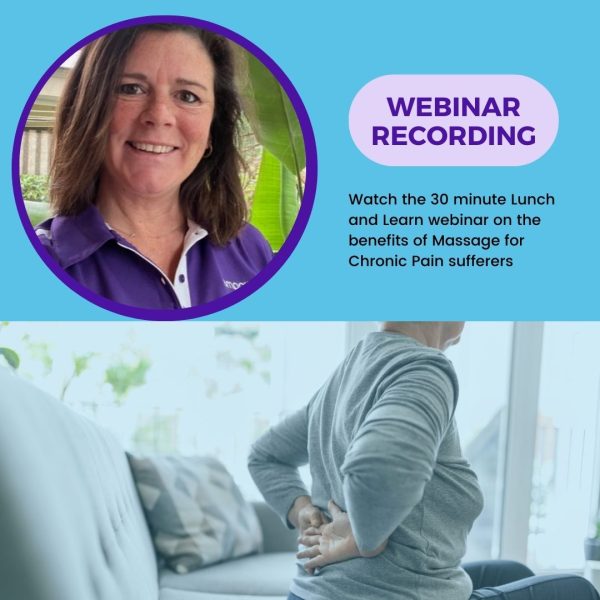
SOME Massage Recording Post

Get in touch if you think you or the person you care for would benefit from massage


Get Started With Our Home Care & NDIS Services

Simply click on the image below for our referral form.

Referral on-boarding now completed online in minutes

MORE BLOGS

What your clients can expect from a home massage

Massage Lead with Olympic sized experience 

 …

FALLS PREVENTION: falls don’t ‘just happen’ to older people

Falls Prevention

Falls Prevention

Falls don’t ‘just happen’ and become more common and consequential as we age.

Falls are Australia’s number one cause of injury hospitalisation and injury related death representing 43% of injury hospitalisation and 42% of injury deaths​1.

In Australia, 30% of adults aged 65 and over will experience at least one fall a year. This age group were more likely to be hospitalised or die from a fall compared with other life-stages.​ This data is informed by our older Australians that present to hospital with an injurious fall​.

Unfortunately, the other ‘falls, slips and trips’ that happen at home are not always reported due to

  • ​​Fear of reporting​
  • Fear of losing independence
  • Fear of institutional care
  • Lack of confidence

​Most hospitalised falls occur in the home and it’s up to the individual – their family and supports to assist.​ ​​The good news is fall CAN be PREVENTED. ​

​ Empower Multidisciplinary Team can help with

  • Improving confidence
  • Participation in balance and mobility exercises
  • Falls prevention assessment and interventions​
  • Gait, balance and functional training​
  • Strength and Balance Exercise​
  • ​Multifactorial interventions​
  • Home safety assessment & modifications
  • Foot health
  • Medication reviews
  • Continence
  • Dizziness and vertigo


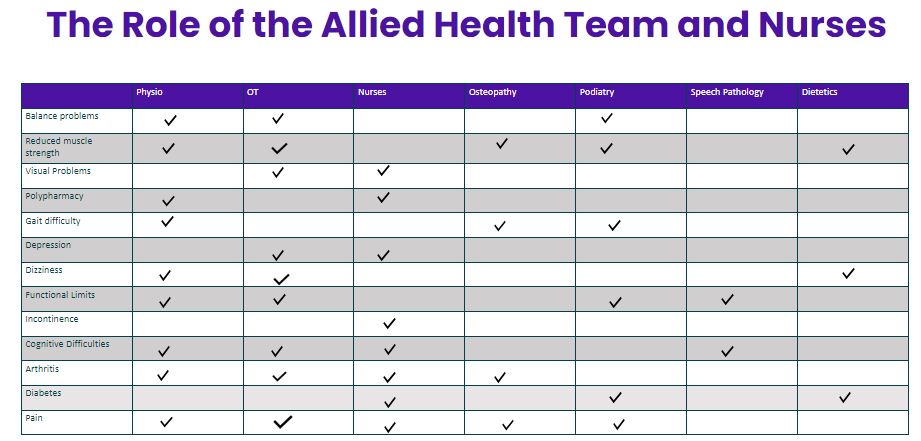
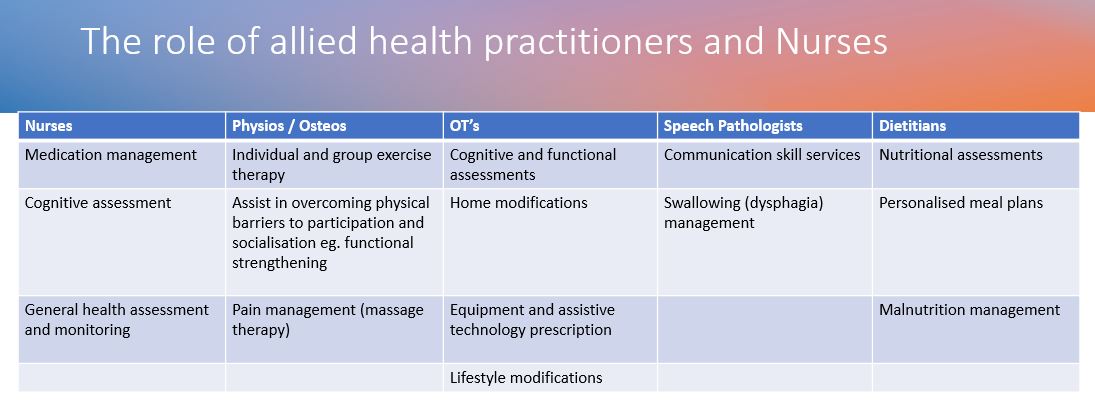
MDT roles in falls prevention chart

Physiotherapists help with – Keeping Active, Strong and Independent2


  • Aerobic Physical Activity
  • Muscle Strengthening
  • Functional balance and strength training
  • Replacing sedentary time with more physical activity


OTs help with – Living safely and independently at home and in the community

  • Comprehensive clinical assessment
  • Hazard assessment​​
  • Hazard removal
  • Adaptive equipment
  • Task modification
  • Education
  • Shared decision making
  • Awareness raising 


How we can help?

The FROP (Falls Risk for Older People) is a useful resource flow chart to guide what we can do to prevent falls. 


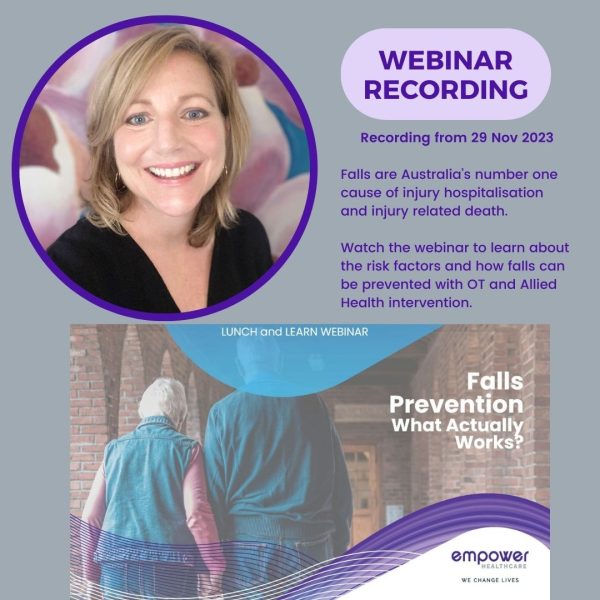
Falls Prevention Webinar Recording SoMe

Get in touch if you think you or the person you care for would benefit from a Falls assessment or assistance. 


RESOURCES

  1. Australian Institute of Health and Welfare (AIHW)- Falls in older Australians aged 65 and over 2019-2020​. Link: https://www.aihw.gov.au/reports/injury/falls
  1. World Health Organisation WHO: Guidelines on Physical Activity and sedentary behaviour (2020)​. EXECUTIVE SUMMARY – WHO Guidelines on Physical Activity and Sedentary Behaviour – NCBI Bookshelf (nih.gov)
  2. NSW Ministry of Health – CEC website (Clinical Excellence Commission)​ https://www.cec.health.nsw.gov.au/__data/assets/pdf_file/0005/286700/CEC-Fall-Prevention-Flow-Chart-for-Community-Care-July-2015.pdf
  3. Falls Prevention Resources: NSW Government, Clinical Excellence Commission  Fall prevention – Clinical Excellence Commission (nsw.gov.au)

Get Started With Our Home Care & NDIS Services

Simply click on the image below for our referral form.

Referral on-boarding now completed online in minutes

MORE BLOGS

Multiple Sclerosis and the Allied Health Team

How our Allied Health clinicians can help with Parkinson’s Disease

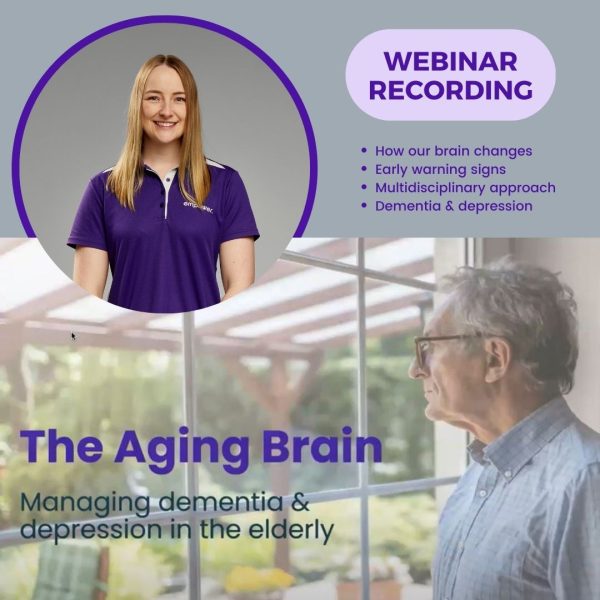
Dementia and the Aging Brain

Dementia and the aging brain

Dementia is the second leading cause of death in the general Australian population, with 1 in 10 people over the age of 65 living with this condition. 

Empower clinicians have the privilege of working with people with Dementia to support them and their families to live their best lives.

Educating the families and communities about the needs of people living with dementia allows a more dementia-friendly conscious society. 

Communities that take action to become dementia-friendly have: 

  • Less fear and a greater understanding of dementia 
  • Less stigma and discrimination 
  • More support and better systems for people living with dementia to live well in their community for longer 

Dementia is an umbrella term used to describe a variety of conditions which effect the brain and its functions. It can affect individuals cognitively, physically and socially.  

The four most common types of Dementia people are diagnosed with are:  

  1. Alzheimer’s disease (60-80%)
  2. Vascular dementia (5-10%)
  3. Lewy body disease (5-10%)
  4. Frontal temporal dementia (5-10%)

Early warning signs  

  • Memory loss that effects day to day function  
  • Increasing confusion  
  • Reduced concentration  
  • Personality or behaviour changes 
  • Apathy, withdrawal or depression  
  • Cognitive decline  
  • Physical changes  
  • Loss of ability to do everyday tasks 

Not only does Dementia have cognitive effects, it also effects people physically and socially and in all aspects of life. This is why it is so important to ensure Dementia is managed by a comprehensive multidisciplinary team. Empower provides quality interdisciplinary collaboration and understanding about when a referral to another service is needed. 

Dementia and aging brain


 As well as the above it is important the client is seen regularly by a competent medical team often made up of a geriatrician, neurologist and various other psychiatric practitioners 

Further support networks  

  • 24-Hour help 1800 699 799  
  • Dementia Australia: www.dementia.org.au  
  • National dementia helpline – 1800 100 500  
  • Alzheimer’s Association: www.alz.org  
  • Local support groups   
  • Alzheimer association   
  • Lifeline Australia: www.lifeline.org.au  
  • 24 Hour help 13 11 14 or SMS 0477 13 11 14 
Get in touch if you think you or the person you care for would benefit from a Dementia assessment or assistance. And click the below image to watch our Dementia Webinar Recording.

Get Started With Our Home Care & NDIS Services

Simply click on the image below for our referral form.

Referral on-boarding now completed online in minutes

MORE BLOGS

A Physiotherapists top tips for keeping active this Winter

The benefits of Hydrotherapy

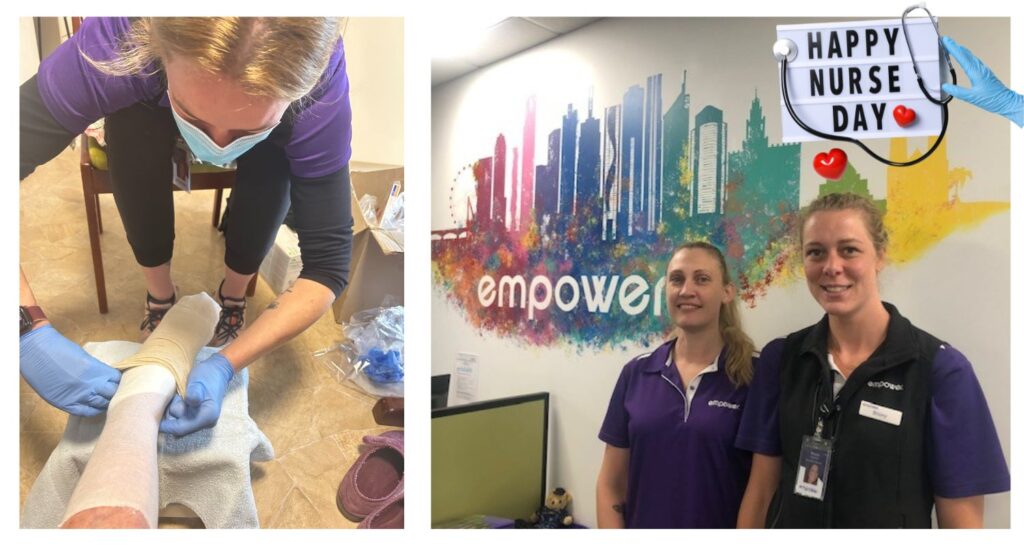
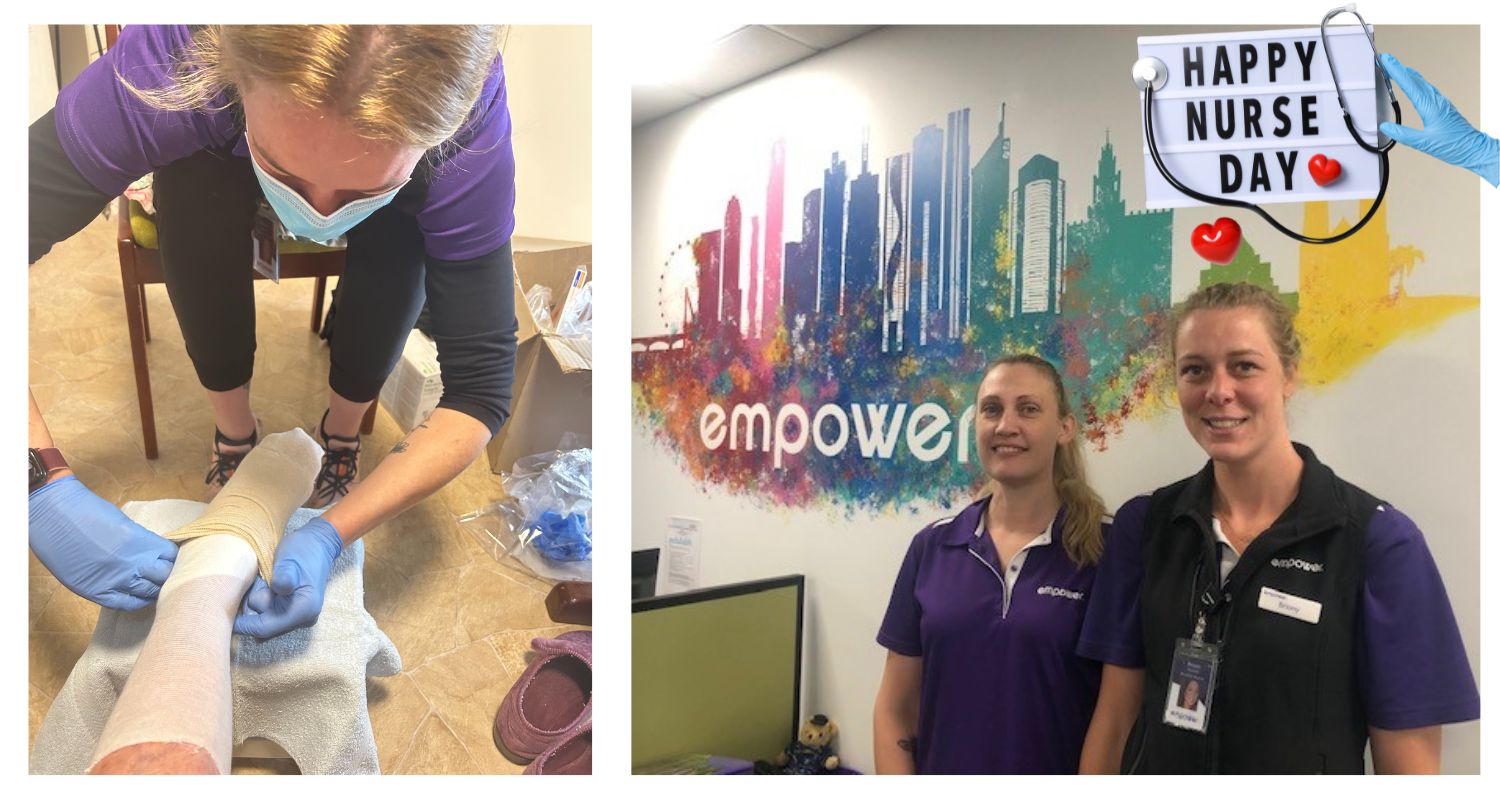
A day in the life of an Empower Nurse

Nurses Blog Briony Web FINAL

Our Empower Nurses spend their days visiting clients in their homes and delivering gold standard care and services.

Join Registered Nurse Briony for her day in the community.


7.30am:

I have a full schedule today, so I open my iPad and read through my clients notes, referrals and other documentation via the client management system. Planning my day helps me be prepared for each client. I check that I have all the equipment and consumables needed and then I am out the door.

8am:

Luckily my first appointment takes me past my favourite café and I grab a coffee.


8.30am:

My first client likes me to be early to help her change her catheter and for medication management so that she can get on with her day. Good catheter care is essential to prevent infections and improve the quality of life for clients. We chat while I work. Getting to know my clients and talking to them is one of the favourite parts of my job. Once I’m finished, I make sure she has the supplies and advice needed until I next visit which I confirm with her and book it in.

9.30am:

My second appointment is a regular client who has slow healing wounds. I have been visiting her for some time now, and we have made some great progress. All Empower nurses undergo extensive training and professional development in wound management, so I am equipped with the latest knowledge and dressings to improve healing for my client.


11.00am:

I arrive in a Bayside suburb with time to spare so I find a car park overlooking the bay and catch up on my notes and follow up emails on my iPad before heading to my next client. On assessment, I realise he isn’t doing well and we have the difficult discussion that it may be best to head to hospital to get further investigations done. He hates going to hospital, but agrees he needs to go. This client lives alone, and doesn’t have anyone who can drive him, so I organise non-emergency patient transport. I spend the time to call his next of kin, his GP and his case manager who are all supportive of him going in. I don’t want to leave him while we wait for transport as he is anxious about going to hospital. I liaise with his Case Manager who is also supportive and organises for his normal support worker to head over and wait with him.

12.30:

Lunch time and I pop into head office to pick up some consumables and complete some CPD training at one of the desks. I catch up with colleagues and have a conversation with my manager about a client management challenge I have been having.

2.00pm:

It’s a short drive to my next appointment who is booked for an initial assessment. This involves getting to know the client and completing a comprehensive overall nursing assessment. Sometimes new clients need referrals for allied health services or additional supports. We have a longer session than usual but I know spending the extra time is what he needs to ensure that he keeps receiving the care that ensures his quality of life and independence.

4.00pm:

I arrive home to complete all today’s documentation, send emails to my clients’ care and case managers and organise any follow up tasks.

Tomorrow I will be seeing different people with different needs – no two days are the same. I love the flexibility and variety of being an Empower Nurse. It also helps being backed by experienced nurse managers, a friendly Home Care Support Team and being equipped with all the technology, knowledge, and equipment to deliver the care needed.

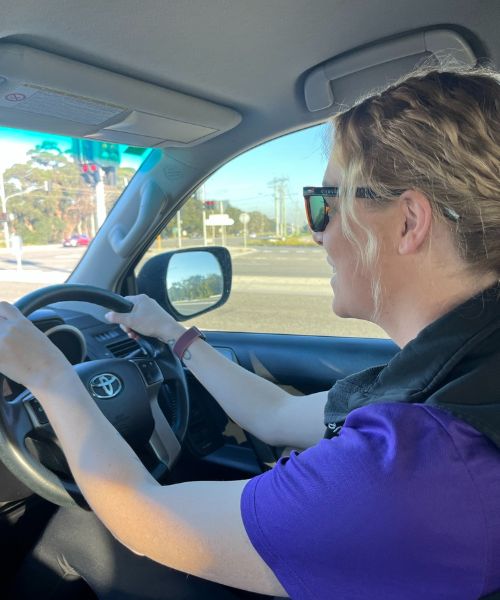
Empower Nurses are on the road every day, delivering great care and outcomes.

MORE BLOGS

Tracey Easte joins Empower Healthcare as Nursing Manager

In Profile with Trish – Nursing Clinical Care Manager


Get Started With Our Home Care & NDIS Services

Simply click on the image below for our referral form.

Referral on-boarding now completed online in minutes

 …

An innovative approach to delivering Allied Healthcare to remote WA

Kojonup road trip images 1 scaled

Kojonup: An innovative approach to delivering Allied Healthcare to remote WA

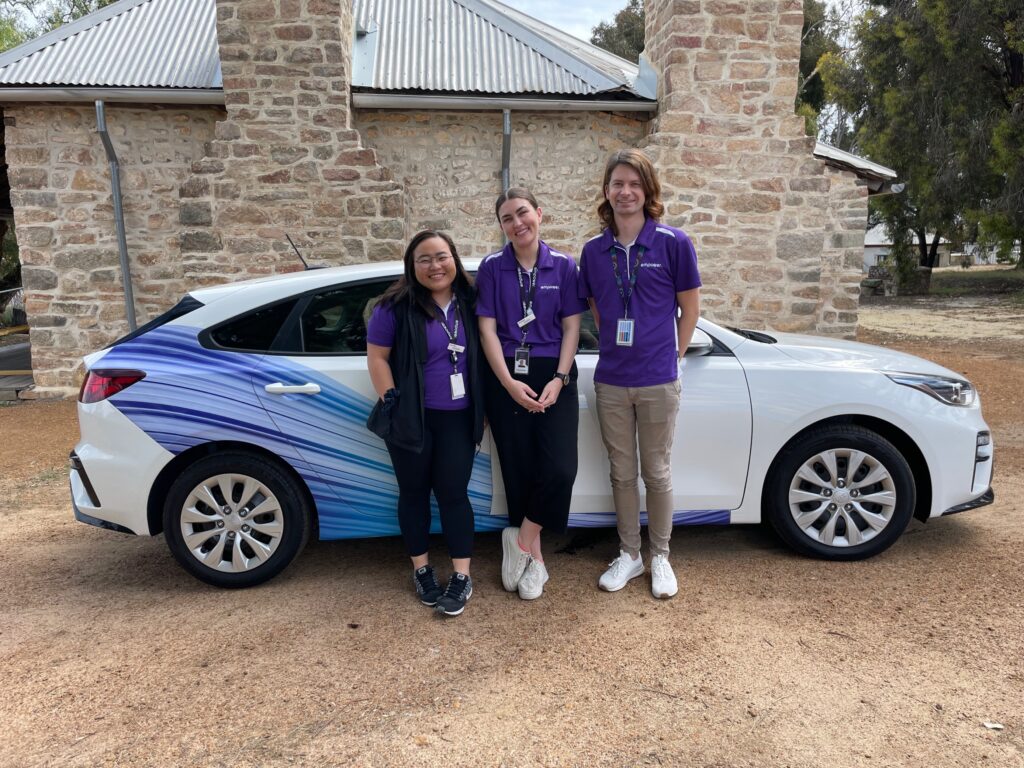
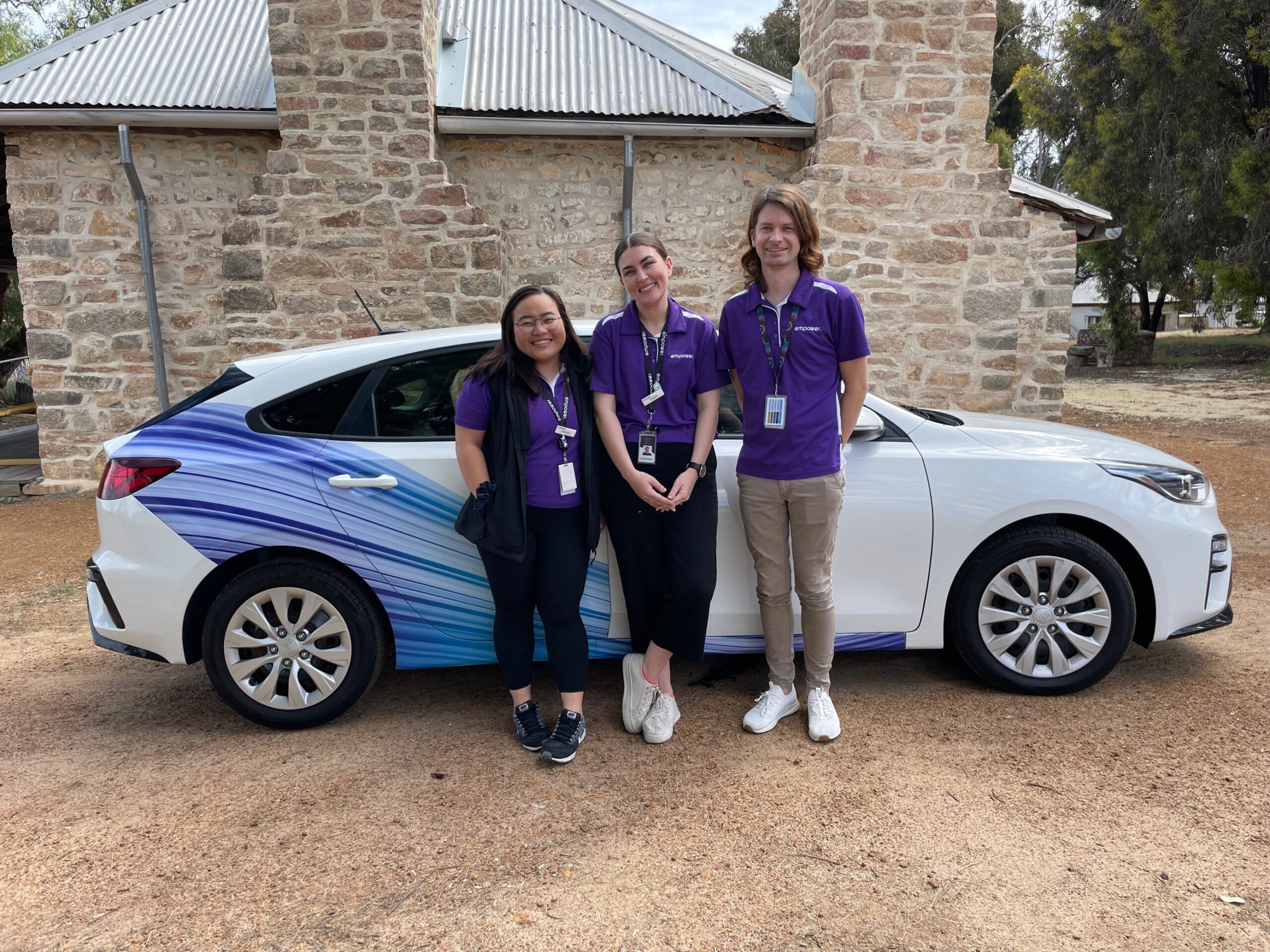
Working together as an integrated team, Empower Healthcare clinicians and Residential Aged Care Facility Springhaven relished the opportunity of in-person collaboration to care for residents despite their remote location.

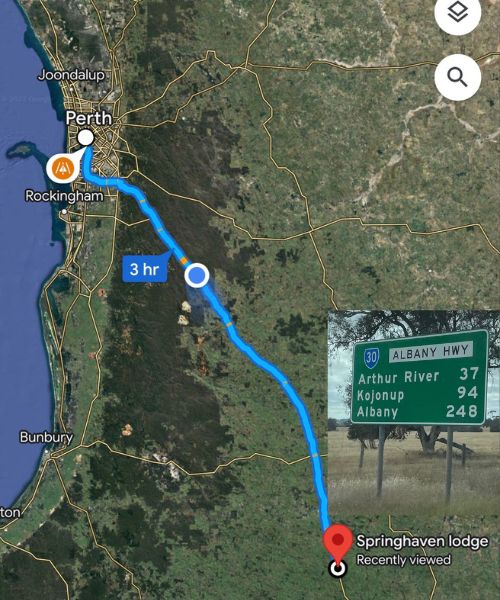
Kojonup is a town situated 250km Southeast of Perth with a population of little over 1000. Therefore it’s not surprising that the town’s only aged care facility struggles to procure Allied Health locally in order to meet compliance and care standards.

In total WA has only 22 Speech Pathologists per 100,000 of population, and nationally and only 17 per 100,000 in remote regions.

With demand far outstripping the number of allied health clinicians in remote and metropolitan WA areas, Springhaven Lodge in Kojonup was one such facility.

Springhaven Lodge contacted Empower Healthcare West Perth office for Dietetic, Speech Pathology and Occupational Therapy services. The challenge of providing these services in the most cost-effective, efficient and sustainable way fell to the team of our Perth based clinicians who understood that an innovative approach to service delivery would be needed.

Empowers interdisciplinary team of Speech Pathologist, Dietitian and OT’s set about developing an understanding of the unique requirements of the facility. They brainstormed the best method of delivering high quality healthcare and the best possible outcomes for the residents and staff. In collaboration with the facility manager, it was decided that a combination of telehealth and in-person assessment, intervention and training was the best approach.

A well planned and outcomes-based trip was organised for the team, who understood that efficiency and efficacy were key when time is limited. During their first day at Springhaven, the clinicians conducted menu audits, individual and process assessments, IDDSI training and implementation and staff training.


Working together as an integrated team, Empower and Springhaven staff relished the opportunity of in-person collaborative care for residents and implementing sustainable interventions and care plans. With ongoing bespoke telehealth and onsite support, Springhaven residents are now receiving the high-quality care they deserve.

We look forward to a building relationship with Springhaven and its residents and bringing this approach to other remote Residential Aged Care facilities in the future.


MORE BLOGS YOU MAY BE INTERESTED IN

Delivering group therapy to RAC

Nutrition and the immune system

More about IDDSI


 …

Living life to the full after Ostomy surgery

Ostonomy web banner

How Empower Nurses and Dietitians can help with Ostomy management


Nurses and Ostomy Care

While many people with a stoma or ostomy can independently care for themselves, there are times when some extra help is required. This may be when adjusting to living with an ostomy, when experiencing illness or when managing additional health conditions or disability. Empower nurses provide general ostomy management and support for people who need it. They are fully equipped for ostomy care and carry emergency kits.

As part of delivering high quality nursing services, our Nurses provide:
• Ostomy bag changes
• Assessment of stoma and skin health
• General assessment of health, including monitoring for digestive problems
• Referral to Stomal Therapists if complex care is required.


Dietitians and Ostomy Care

It is possible for people with an ostomy to eat a full and satisfying range of foods. In fact, eating real food after surgery can help the digestive system to begin functioning again. However, learning what foods are easiest to digest, how a person’s body is responding to certain foods and how to maintain good nutrition following surgery can require the input of a Dietitian.

Dietitians can help people:
• Manage low appetite following surgery
• Ensure adequate nutrition and energy levels
• Develop meal plans that are enjoyable and nutritious
• Make dietary adjustments when necessary
• Monitor dietary intake, digestive health and stoma output
• Manage additional health conditions, like diabetes and hypertension
• Choose and use supplementation appropriately.

For in-home, professional care while recovering from surgery, living with a chronic condition or when managing life’s unexpected health challenges, let Empower take care of your health needs.

Click to read more about our Nursing and Dietetic Services

Catheter management

Medication management

Wound care

Nutrition and the Immune System


Simply click on the image below for our referral form.

Referral on-boarding now completed online in minutes


 …

Continence Management with Empower Nurses

Continence ax web

Continence Assessments


Incontinence is a very common condition affecting 1 in 4 Australian adults.

The good news is that there are many ways that both bladder and bowel leaks and accidents can be treated and managed. With the help of nurses and other health care professionals, your clients can continue to live an active and independent life with dignity.


How we can help

Our nursing services involve support in the management of bladder and bowel control problems. We offer discreet services that aim to preserve dignity, reduce stress, and help people regain confidence so they can participate in daily activities and get you back to enjoying life.

Our support

We will take the time to fully assess your client and understand the challenges they face. We will conduct a Level 2 Basic Continence Assessment and then develop personalised plans and strategies to suit the persons lifestyle and goals.

Our Multidisciplinary Team support

Whilst our nurses provide continence treatment, they also have access and work closely with a large team of Allied Health therapists that can also provide additional continence care and intervention.

Dietetics

Our Dietitians assist with:
• urinary incontinence by monitoring fluid intake and providing recommendations for other bowel management strategies. Clients experiencing urinary incontinence tend to restrict fluid intake and this can contribute to poor health through dehydration and increase the occurrence of constipation.
• faecal incontinence by recommending a modified diet that can alleviate the urgency of bowel motions as well as assist clients with implementing a diet that will help with the frequency and consistency of bowel motions.
*Dehydration is a great risk in this group of clients.

Physiotherapists

Our Physiotherapists assist with:
• improving a client’s mobility and function so that they can access facilities in a timely manner
• utilise their continence aids safely.
• improve balance and coordination to assist with independent toileting
*We don’t have any specialist continence physios.

Occupational Therapists

Our Occupational Therapists assist with:
• routines based interventions – working on toileting routines
• strategies such as visual prompts and social stories to support understanding, reinforce routines and reduce anxiety
• understanding their sensory systems and interoception, so the person understands the body’s signals of when they need to go to the toilet.
• working towards independence with assistive technology eg. over toilet seats or commodes, Clothing adaptations
• educating clients family and formal supports.

Management depends on the type of incontinence, its aetiology, the severity of symptoms, as well as the consumers factors such as cognition, functional status and medical history. Our nurses have the clinical background and experience to advise options for suitable treatment approach for each individual to match their lifestyle and keep them at home longer.

Click to read more about our Nurses

Catheter management

Medication management

Wound care


Simply click on the image below for our referral form.

Referral on-boarding now completed online in minutes


 …

Empower welcomes Heather to our NSW Occupational Therapy Team

Heather NSW OT blog

Heather NSW OT

We are pleased to welcome Heather to our NSW Occupational Therapy Team

Heather is a confident and meticulous Occupational Therapist who enjoys finding person-centered solutions that empower clients to live their most independent, active and fulfilling lives.
Having worked in NDIS home-based settings as well as in work place environments, Heather has a holistic view of rehabilitation, inclusion and access issues faced by people at home, in communities and at work.
With experience in Functional Capacity, Sensory and Housing assessments, Heather also brings established therapy skills in capacity building, rehabilitation, assistive technology prescription and home modifications for clients in a variety of settings including school, homes and clinics in Sydney.
She says:
I am excited by the diverse nature of Occupational Therapy. I enjoy meeting new people, hearing their stories and helping them find meaningful activity and purpose to improve their quality of life and achieve their personal goals.
When not at work, Heather loves spending her time with friends and family exploring new places, eating great food and indulging in her best relaxation activity – watching Ru Paul’s Drag Race!


How To Get Clients Started With Our Home Care & NDIS Services

Simply click on the image below for our referral form.

Referral on-boarding now completed online in minutes


 …