
Category Archives: In Home Care

Introducing HomeLink: The Smarter, Hybrid Way to Receive Physiotherapy at Home

Homelink

Homelink

When it comes to physical recovery and mobility, consistency is everything. However, getting to a clinic can be exhausting, and booking frequent, in-person specialist visits at home isn’t always affordable or easy to schedule.

That is why we are thrilled to introduce HomeLink—our innovative, hybrid physiotherapy service designed to give you the best of both worlds, right from the comfort of your living room.

How HomeLink Works: A Powerful Hybrid Team

HomeLink bridges the gap between digital convenience and hands-on safety by connecting two vital care roles into one seamless session:

  • Online Clinical Leadership: A fully qualified Physiotherapist leads your assessment and designs your program via a secure, high-definition video link.
  • In-Home Physical Presence: A skilled Allied Health Assistant (AHA) is physically in the room with you. They provide essential hands-on safety support, help guide your movements, and ensure clear communication between you and the therapist.

By working together in real-time, this team ensures your therapy is just as precise and safe as a traditional clinic visit, without you ever having to leave your house.

Ready to experience the future of home care? HomeLink is ideal for NDIS participants, older adults, or anyone looking for a safer, more frequent, and budget-friendly way to achieve their physical therapy goals.

Contact our team today to see if HomeLink is the right fit for your journey PH: 1300 043 578

Starting the Conversation: Navigating the Aged Care Conversation

pexels kampus 8829184

pexels kampus 8829184

It is one of the most profoundly challenging milestones an adult child will ever face. Initiating a conversation about aged care options with aging parents frequently brings up a complex wave of emotions—ranging from fear of vulnerability and role reversal to a deep sense of unexpressed guilt. For many, it feels like an admission of decline or an intrusion upon a parent’s hard-earned autonomy.

However, shifting your perspective can transform this daunting hurdle into a meaningful act of support. Talking about future care options isn’t about stripping your parents off their independence; it is about partnering with them to protect it. By discussing their preferences long before a crisis occurs, you ensure their voice remains the loudest in the room, honoring their choices and securing their long-term dignity.

Why We Wait (And the Real Cost of Delaying)

It is entirely natural to pull away from this topic. No one wants to imagine the people who spent a lifetime protecting them becoming fragile. The quiet heartache of confronting a parent’s mortality, paired with the intense desire to keep the peace, often causes us to push the conversation far over the horizon, soothing ourselves with: “We’ll cross that bridge when we get there.

But when a sudden fall or medical emergency forces the issue, that bridge vanishes. Instead of a calm transition, families are thrust into raw panic—making rushed, high-stakes decisions from a hospital corridor under immense pressure. The real heartbreak of waiting is that in the rush, your parents’ true choices can get lost. Starting early isn’t about rushing the future; it is a profound act of love that ensures their voice remains the loudest and most respected in the room.

Preparing Yourself Before You Speak

A successful conversation relies heavily on the preparation you do beforehand. Entering the room with a calm, informed, and collaborative mindset will set the foundation for a reassuring discussion.

  • Understand the Landscape: Familiarise yourself with the basic avenues of support available. Learn the difference between structured Home Care Packages (which deliver support directly into their familiar environment) and residential care options. Knowing that support exists to help them stay at home safely can greatly ease their anxieties.
  • Check Your Mindset: Enter the conversation as an ally, not a manager. Your role is to support their transition and learn their wishes, not to dictate a plan or take control of their life.
  • Choose the Moment Wisely: Timing is vital. Avoid bringing up the topic during stressful family milestones, major holidays, or periods when your parents are visibly exhausted. Opt for a quiet, relaxed day when everyone is unhurried and clear-headed.

Practical Strategies for a Gentle Conversation

How you frame your sentence makes all the difference in preventing your parents from feeling defensive or cornered. Here are clear strategies to guide your approach:

Prioritise “I” Statements Over “You” Statements

Sentences beginning with “You need to…” or “You should…” can immediately feel restrictive and accusatory. Instead, anchor your sentences in your own care and observations.

Instead of: “You can’t manage this big house anymore and you need to get help.”

Try: “I want to make sure we are supporting you in keeping things running smoothly, so you

can enjoy your time without the stress of heavy upkeep.”

Ask Open-Ended Questions

Maintain your parents’ autonomy by asking questions that invite them to steer the plan. This reinforces that they are the primary decision-makers in their own lives.

  • “How are you finding the maintenance of the garden lately?”
  • “What are your thoughts on your living arrangements over the next few years?”
  • “What matters most to you if you ever find yourself needing a little extra support around the house?”

Utilise a Third-Party Icebreaker

If a direct approach feels too abrupt, gently bring the topic by referencing an external scenario. This removes immediate personal pressure while opening the door for reflection.

Example: “My colleague at work has been helping her dad look into some home support options recently, and it made me realise I’ve never asked you what your preferences would be if you ever wanted a bit of help with things like cooking or transport.”

pexels cottonbro 6943492

Handling Resistance with Empathy

Expect some pushback. Initial reactions of denial, frustration, or abrupt silence are completely normal human responses to a perceived loss of freedom. If your parents become defensive, avoid arguing or attempting to prove a point with facts and figures.

Validate their feelings completely. Acknowledge their fears by saying something as simple as, I understand you value your independence, and that is exactly why I want to talk about this—so we can protect it.

Remember the golden rule of long-term planning: this is a series of short, gentle chats, not a single, binding presentation. If the atmosphere becomes tense, comfortably back off, change the subject, and gracefully revisit the topic a few weeks down the track.

Establishing a Gentle Action Plan

As your conversations progress, aim to conclude with one small, manageable, and stress-free next step that you can take together. This keeps the momentum positive without overwhelming them.

This could look like setting aside an hour next month to look at local transport or home cleaning services together, booking a routine, proactive health check-up, or simply agreeing to keep the conversation open.

Documenting their preferences as they share them ensures everyone in the family stays aligned and respectful of their true wishes.

Moving Forward Together

Initiating a dialogue about future care is ultimately a profound act of love and respect. By stepping into this space early with an open heart, clear questions, and deep empathy, you gift your parents the confidence that their choices will be protected, ensuring peace of mind for the entire family as you step into the future side by side.…

The Hardest Pivot: When staying at home is no longer the best choice

2

2

Whilst our main aim at Empower Healthcare is to keep your loved ones safe and happy in their home for as long as possible, sometimes the reality forces us to ask: is it time to move into permanent care?

There is an unwritten promise many of us make to our parents long before they ever actually need us. “I will always take care of you. I will never put you in a home“. We mean it with every fiber of our being.

The reality of aging is that medical and physical needs can scale beyond what a family home can safely accommodate. Recognising this isn’t a failure on your part—it’s an act of clarity.

Why We Fight So Hard to Keep Them at Home

The resistance to professional care facilities isn’t just about logistics; it’s deeply emotional. For most families, hesitation comes from an incredibly pure place.

  • The Weight of a Promise: We feel a profound sense of duty to return the care they gave us when we were growing up. But here is the hard truth: You made that promise to a person who was healthy, based on a version of the future that didn’t include a progressive neurological disease.
  • Cultural and Social Pressure: There is often an unspoken expectation from family or community that we should handle everything under our own roof no matter what the cost.
  • The Fear of the Unknown: We worry they will feel abandoned, lonely, or that a facility won’t understand their unique quirks, routines, and favorite things.

So, we stretch ourselves thin. We become full-time care coordinators, nurses, and chefs, all while juggling our own careers, children, and lives. We tell ourselves, “We can handle this.”

But sometimes, handling isn’t what’s best for them. Being a daughter or son again—instead of a burnt-out nurse— is the greatest gift we can give them.


The “Waiting for a Crisis” Trap

Proactive planning vs. reactive panic.

Most people wait for a “sign” to start looking at aged care. A fall, a hospital admission, a middle-of-the-night emergency. By then, the power of choice is gone.

When you’re in a hospital-led discharge, you aren’t choosing a facility based on lifestyle or culture—you’re choosing based on who has an available bed at 4:00 PM on a Friday.

Urgency creates bad math. You end up making rushed financial decisions that can cost hundreds of thousands in unnecessary fees or lost subsidies.

Planning early isn’t “giving up” on a parent. It’s securing the right to say “no” to the wrong options.

When Keeping Them at Home Becomes the Riskier Choice

  • Safety Becomes a Compromise: Frequent falls, missed medications, or wandering (especially with dementia) mean the home environment is no longer secure, even with modifications.
  • Medical Needs Demands Professional Intervention: When complex health conditions require around-the-clock monitoring or specialized therapy that a family member simply cannot provide.
  • The “Caregiver Burnout” Paradox: When you are entirely consumed by the physical tasks of caregiving, toileting, lifting, cleaning—you lose the ability to just be their son or daughter. Your relationship becomes defined by stress rather than connection.

Re-framing the Decision: It’s Not Giving Up, It’s Giving Care

If you are standing at this crossroads, it is time to change the narrative you are telling yourself.

Moving a parent into professional care is not walking away. In fact, it is often the most selfless choice you can make. It means putting their safety, their medical well-being, and their dignity ahead of your own desire to keep a promise that is no longer safe to hold onto.

When a parent is in an environment with structured support, specialized clinicians, and around-the-clock safety, something incredible happens: You get to be their child again.

Instead of spending your visits managing medication schedules or lifting them safely into bed, you can spend your time sitting together, looking through old photos, sharing a meal, and talking. You step out of the role of an exhausted caregiver and back into the role of someone who loves them.

If you are feeling the weight of this choice today, give yourself some grace. It is okay to feel heartbroken. It is okay to wish things are different. But remember, choosing professional care doesn’t mean you love them less. Sometimes, it means you love them enough to step aside and ensure they get the exact support, safety, and care they truly deserve.

If you are wondering how to begin this delicate dialogue without causing distress, our guide, Starting the Conversation: Navigating the Aged Care Conversation, is here to help. It breaks down how to approach the topic gently, manage differing family dynamics, and move forward together with compassion.…

Welcome VIC Relationship Manager, Amanda Spark

Amanda Spark

Amanda Spark

Say hello to Amanda, our VIC Relationship Manager 

We’re excited to welcome Amanda to Empower Healthcare as our new Relationship Manager – VIC. 

Amanda brings over 10 years of experience in the healthcare industry, having worked closely with business partners, the community, GPs, specialists, and various medical physicians. She is passionate about making a meaningful difference in people’s lives and enjoys engaging with a diverse range of groups. 

Prior to her career in healthcare, Amanda spent 13 years at Coca Cola Amatil, where she was part of one of the world’s most recognised brands. During her time there, she built lifelong friendships with colleagues and customers. 

Now returning to her old “stomping ground” in Moorabbin, Amanda is excited to give back to the community and support aged care participants. She is deeply passionate about building and maintaining strong business relationships and delivering exceptional service. She understands the importance of aligning with her partners’ needs and expectations. 

Outside of work, Amanda enjoys boxing, going to the gym, running, cooking, travelling, and spending time with friends and family. 

Referral form 600x400

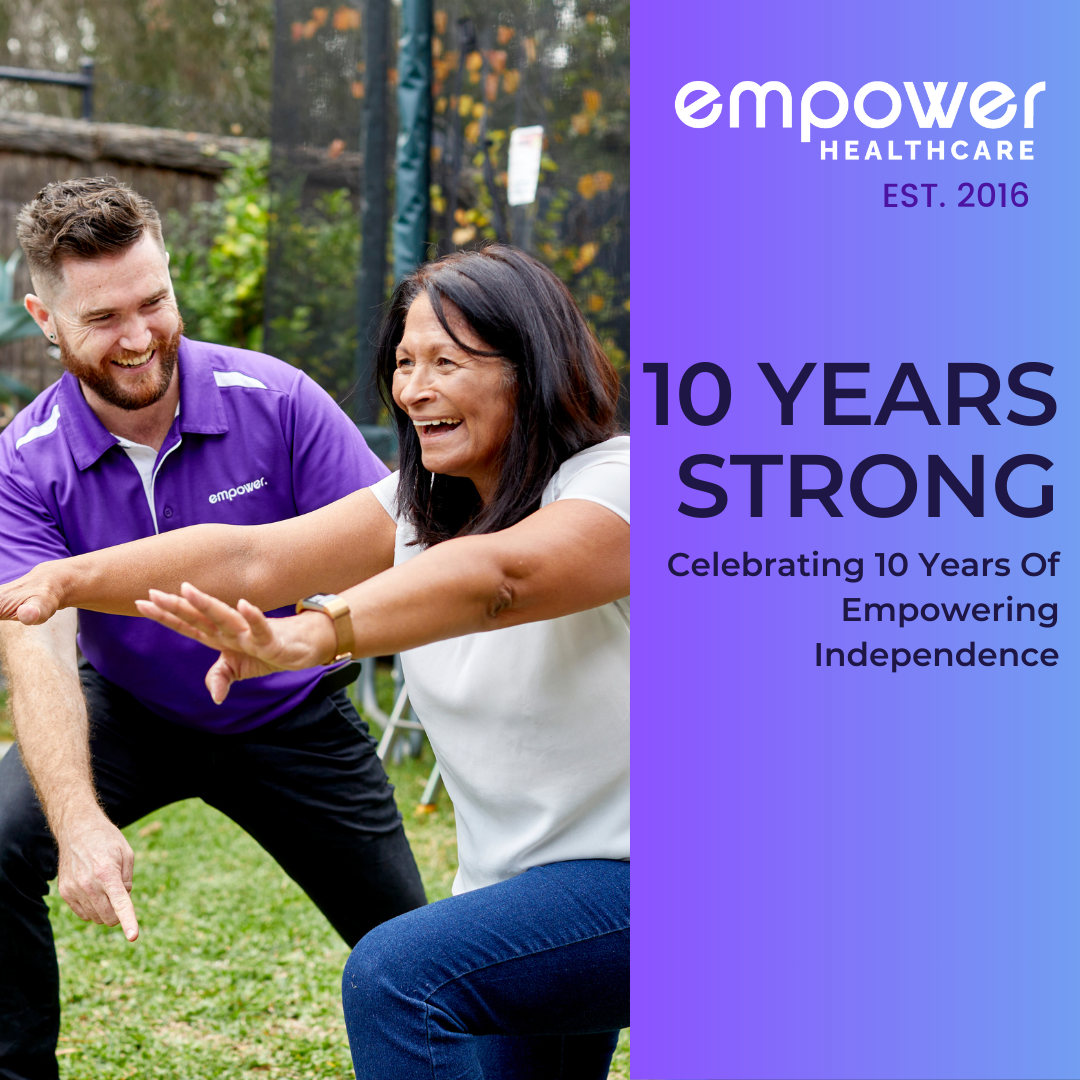
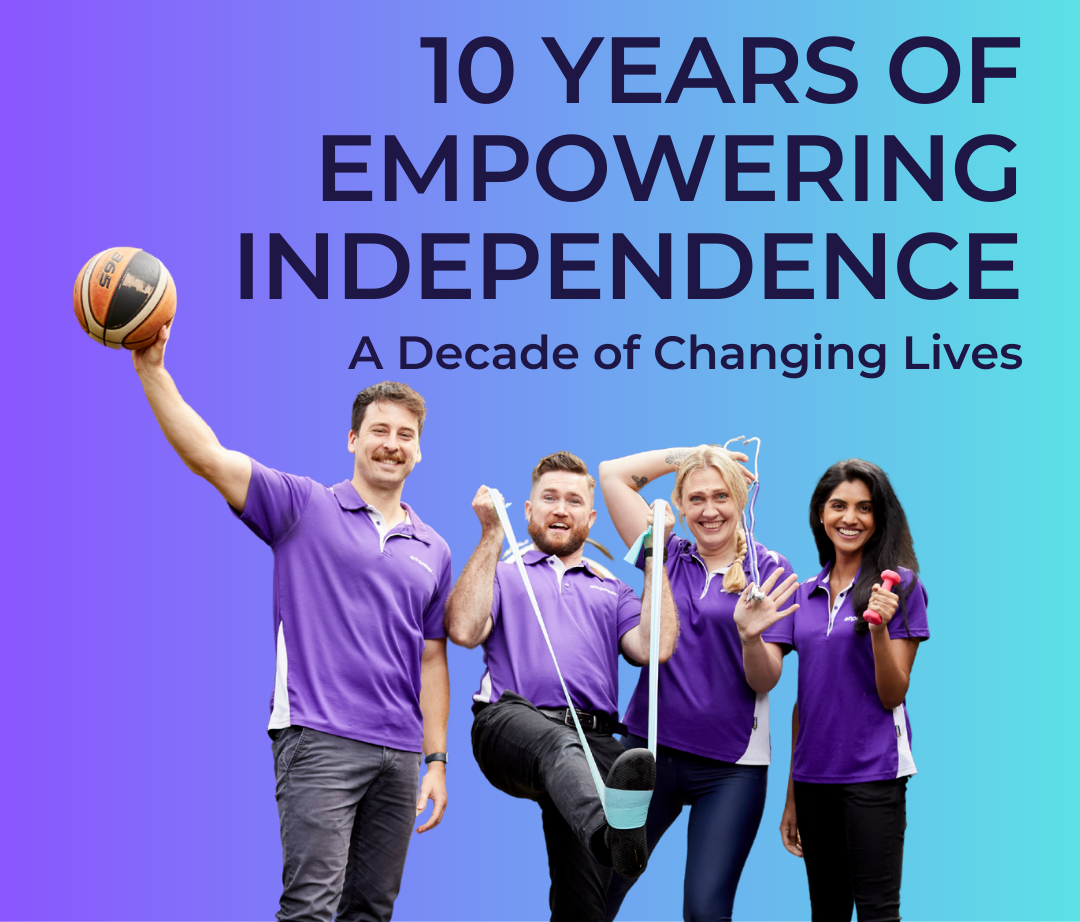
Celebrating 10 Years of Empowering Independence

10 years blog banner

10 years blog banner

A Decade of Walking Beside Australians

Ten years ago, Empower Healthcare began with a simple but ambitious purpose: to deliver evidence‑informed, person‑centred allied health that genuinely improves independence, function, and quality of life. A decade later, that purpose hasn’t wavered — it has strengthened.

This anniversary isn’t just a marker of time. It’s a celebration of the clinicians who bring expertise and compassion into homes, workplaces, and communities across Australia. It’s a tribute to the individuals and families who have trusted us to walk beside them. And it’s a moment to reflect on the impact that reablement‑focused care can have when delivered consistently, thoughtfully, and with heart.

A Decade of Reablement in Action

For ten years, our clinicians have supported Australians to stay active, independent, and connected. From early intervention to complex care, from aged care to workplace health, our approach has always centred on one question: What will help this person live the life they choose?

Reablement isn’t a buzzword for us — it’s the backbone of our practice. It’s the quiet, steady work of building capability, confidence, and long‑term outcomes. And after a decade of delivering this model at scale, the results speak for themselves: improved function, reduced risk, greater participation, and thousands of stories of people achieving more than they thought possible.
10 years SoMe posts (2)

10 Years of Impact: Real People, Real Outcomes

Across metropolitan, regional, and rural communities, our clinicians have supported Australians through:

  • Restoring mobility and strength after injury or illness
  • Supporting older adults to remain safely at home
  • Improving communication, swallowing, and cognitive function
  • Enhancing wellbeing through tailored exercise and therapy programs

These outcomes aren’t abstract — they’re deeply personal. They’re the moments when someone takes their first independent step after a fall. When a client returns to a beloved hobby. When a family feels supported and informed.
10 years SoMe posts (3)

Clinicians at the Heart

Our 10‑year milestone is a tribute to the clinicians who show up every day with professionalism, empathy, and a commitment to best practice. Community‑based allied health is not easy work — it requires adaptability, clinical depth, and the ability to build meaningful relationships in diverse environments.

Over the coming months, we’ll be sharing Clinician Reflections: stories, insights, and moments that have shaped their practice. Because a decade of community care has taught us something important — meaningful outcomes start with meaningful relationships.

Thank You, Australia

For ten years, individuals, families, aged care providers, and community partners have trusted us with their wellbeing. That trust means everything. We’re proud to have walked beside so many Australians, and we’re grateful for every relationship built along the way.

Looking Ahead: The Next Decade of Allied Health

While anniversaries invite reflection, they also spark momentum. The next decade will bring new challenges, new opportunities, and new ways to strengthen capability, innovation, and quality across allied health.

We’re ready for it.

From day one to year ten, our purpose has remained steady: empower independence with evidence‑informed, person‑centred care. And we’re just getting started.

Here’s to the next decade of improving function, confidence, and quality of life across Australia.

 

Referral form 600x400

 …

Restorative Care Goal Plans (RCP) With Empower Nursing Support

RCP Nursing web image

RCP Nursing web image

Restorative Care Goal Plans Through Purposeful Nursing Support

At Empower, our nursing team is committed to delivering care that not only supports participants in the moment but strengthens their ability to thrive long-term.

As part of this commitment, our nurses are available to provide comprehensive assessments and nursing goal planning under Restorative Care Program (RCP) funding. If you believe this support may be beneficial, please contact our team, and we will work with you to determine how we can best implement this for you.

🌿 Why Goal Planning Matters in Restorative Care

Creating a goal plan is a cornerstone of the Restorative Care Pathway. Unlike traditional care plans, which often focus on managing existing needs, restorative care goal plans are designed to help participants maintain or regain function, build confidence, and prevent decline wherever possible.

This approach shifts the focus from “what support is needed today” to “what outcomes are possible over the next 16 weeks” a subtle but powerful change that places the participant’s aspirations at the centre of every decision.

🤝 A Collaborative, Person‑Centred Process

As restorative care partners, our nurses work closely with each participant and their multidisciplinary team to develop a clear, achievable set of goals. This collaborative process includes:

  • Comprehensive nursing assessments to understand current strengths, challenges, and functional capacity
  • Meaningful conversations that explore what matters most to the participant
  • Input from allied health professionals to ensure goals are clinically sound and holistically supported
  • A structured 16‑week timeframe that keeps progress focused and measurable

The result is a personalised roadmap that outlines not only the goals themselves but also the services, supports, and strategies required to achieve them.

📝 Replacing the Traditional Care Plan – With Purpose

While the goal plan replaces the traditional care plan, it still includes all the essential elements needed to deliver safe, effective, person centred care. What makes it different is its forward looking design. Instead of simply documenting care tasks, the goal plan:

  • Identifies functional goals that are meaningful and achievable
  • Details the interventions required to support progress
  • Encourages active participation and self‑management
  • Promotes collaboration across the care team
  • Provides a clear structure for reviewing and celebrating progress

This approach empowers participants to take an active role in their own wellbeing, supported by a nursing team that understands their goals and is committed to helping them succeed.

🌟 Empower’s Commitment to Restorative Care

Our comprehensive assessments and goal planning under RCP funding reflects our dedication to continuous improvement and innovation in community nursing. By embedding restorative principles into our everyday practice, we’re helping participants build resilience, independence, and quality of life.

Restorative care isn’t just a model, it’s a mindset. And at Empower, it’s one we’re proud to champion – please speak to our team or refer now.

Banner

What we offer

Allied Health & Nursing services delivered by a multidisciplinary team

Where available – OT, Physio, Nursing, Dietetics, Speech Pathology, Massage Therapy, AHA

  • Goal Plan (& clinical coordination) client goals & priorities, recommended interventions, services and visit frequency, risks/safety considerations, and how outcomes will be measured
  • Progress reviews and outcome measurement throughout the episode
  • Exit Plan and supported transition to ongoing services where required

Learn more about Restorative Care Pathway here.

Click here Download Restorative Care Pathway flyer.


MORE BLOGS

Living life to the full after Ostomy surgery

Nutrition and the immune system


Get Started With Our Home Care & NDIS Services

Simply click on the image below for our referral form.

Referral on-boarding now completed online in minutes

 …

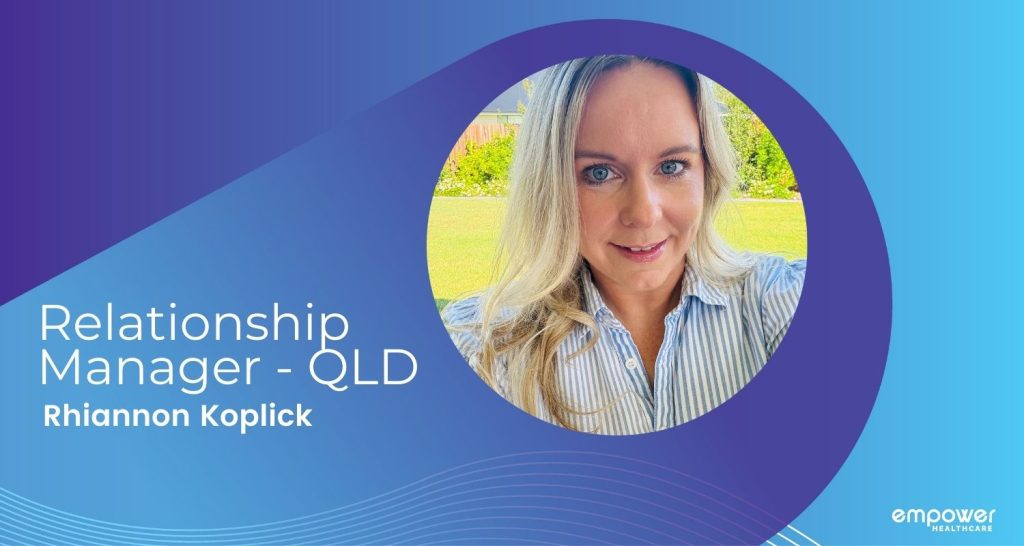
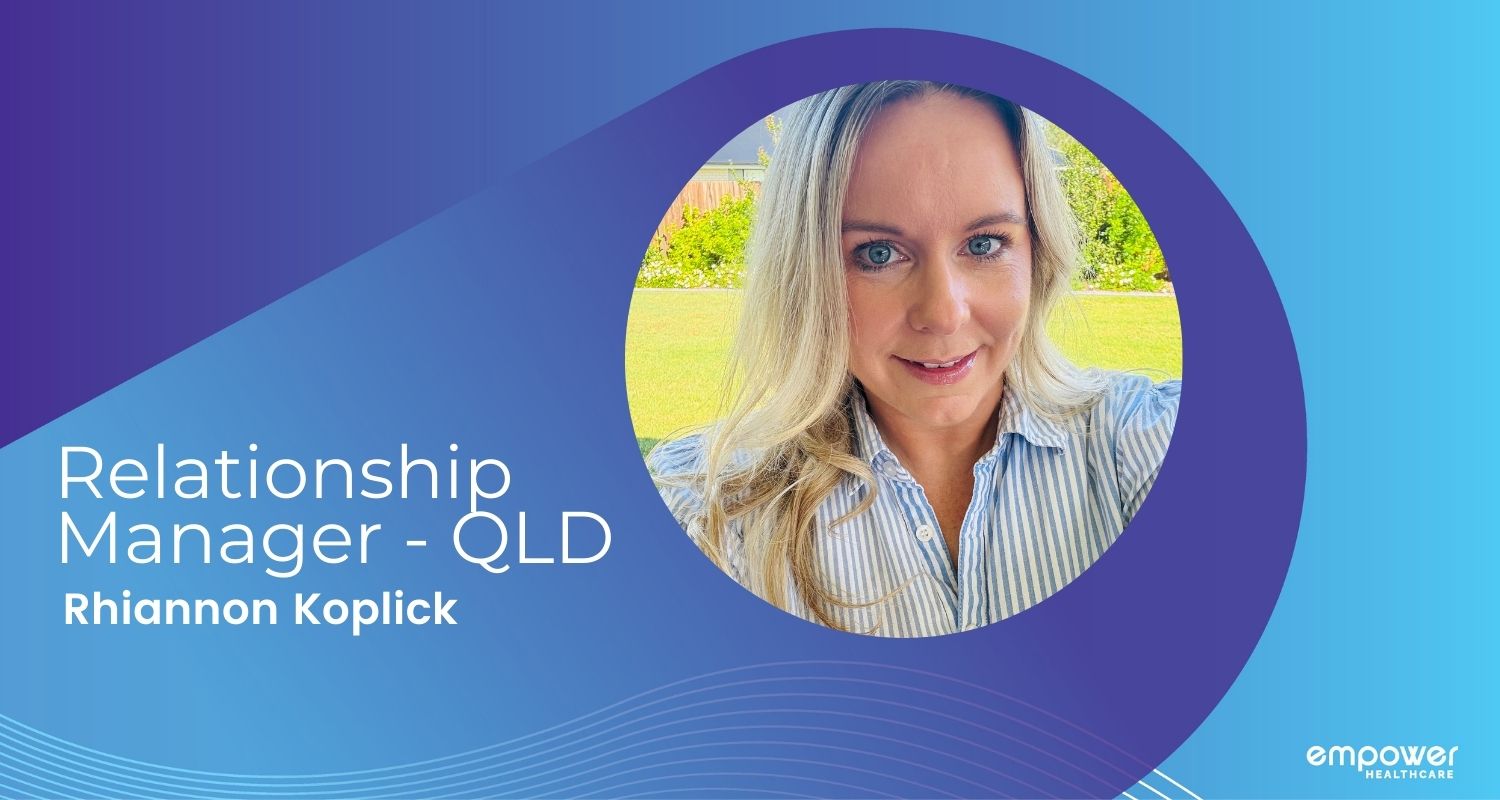
Welcome QLD Relationship Manager, Rhiannon Koplick

Rhiannon Koplick

Rhiannon Koplick

Meet Rhiannon our QLD Relationship Manager

We’re excited to welcome Rhiannon to the team as our new Relationship Manager in Queensland!

With over 15 years of experience in the aged care industry, Rhiannon brings a wealth of knowledge and a deep understanding of the challenges and opportunities within the sector. Throughout her career, she has worked across a variety of roles, always with one clear focus: supporting participants to achieve the best possible outcomes.

Passionate about people
Rhiannon thrives on building strong, meaningful relationships. She believes:

Listening, understanding, and working collaboratively are the keys to ensuring clients feel supported and empowered.

Her dedication to helping others is at the heart of everything she does. When she’s not working alongside clients, you’ll find Rhiannon: Camping with family and friends under the stars, indulging in her love of chocolate (sometimes a little too much!), chasing sunset views wherever she can find them

Her balance of professional expertise and personal warmth makes her a wonderful addition to our team.

As Relationship Manager, Rhiannon is eager to connect with providers across Queensland, strengthen partnerships, and continue driving positive outcomes. We’re thrilled to have her on board and can’t wait to see the impact she’ll make.

Referral form 600x400

 …

Empower Nurses provide Dementia and Cognition Assessments

Nursing cognitive assessment blog 1500x800

Nursing cognitive assessment blog 1500x800

A fast and convenient way to access cognition supplement funding.

Your client may be eligible for additional funding through the Dementia and Cognition Supplement which can be provided by our Empower Nurses. This supplement offers an extra 10% on top of the Home Care Package funding to help keep clients at home for longer.

Who is Eligible?

The supplement is designed for people with dementia or cognitive impairment,. To be eligible, they need to demonstrate a need for regular supervision and assistance with daily activities.

Assessment Process

The assessment itself is a one-hour visit by a member of our Empower Nursing Team.

  • During the visit, the Nurse will use a cognitive assessment tool, such as the Psychogeriatric Assessment Scales or the Rowland Universal Dementia Assessment Scale to evaluate the client’s cognitive function.
  • The case manager then submits the form to Services Australia.

These assessment tools are recognised by the Department of Health.  See more details.

Potential Benefits

The supplement can be highly beneficial for both clients and home care providers.

  • For clients, it can mean an additional 10% in funding, which can greatly contribute to their ability to stay at home.
  • For home care providers, it means more resources to provide the necessary care and support for their clients.

Efficiency and Convenience

One of the key advantages of this supplement is that it provides a fast and convenient way to access additional funding. The assessment can be completed in one hour, and the outcome is provided on the same day. This means that the client doesn’t have to wait for a long time to find out if they’re eligible for extra assistance.

The Dementia and Cognition Supplement offers a streamlined process for clients to access additional funding. This supplement can be a game-changer for clients with dementia or cognitive impairment, as it provides the financial support they need to stay at home for longer, where they are most comfortable and surrounded by a familiar environment.

So, if you haven’t already, make sure to inform your clients about this supplement and make an Empower Nursing referral today. 


MORE BLOGS

Living life to the full after Ostomy surgery

Nutrition and the immune system


Get Started With Our Home Care & NDIS Services

Simply click on the image below for our referral form.

Referral on-boarding now completed online in minutes

 …

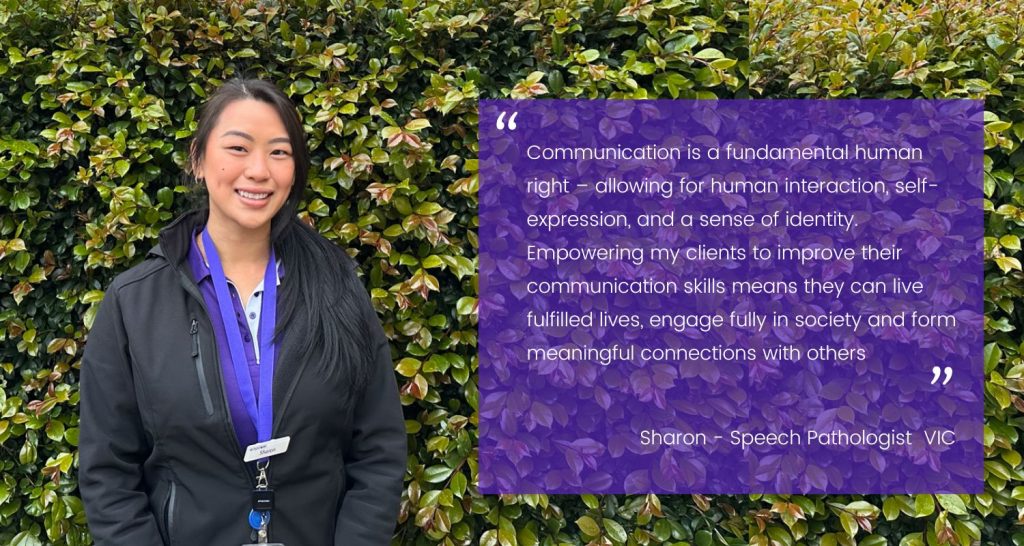
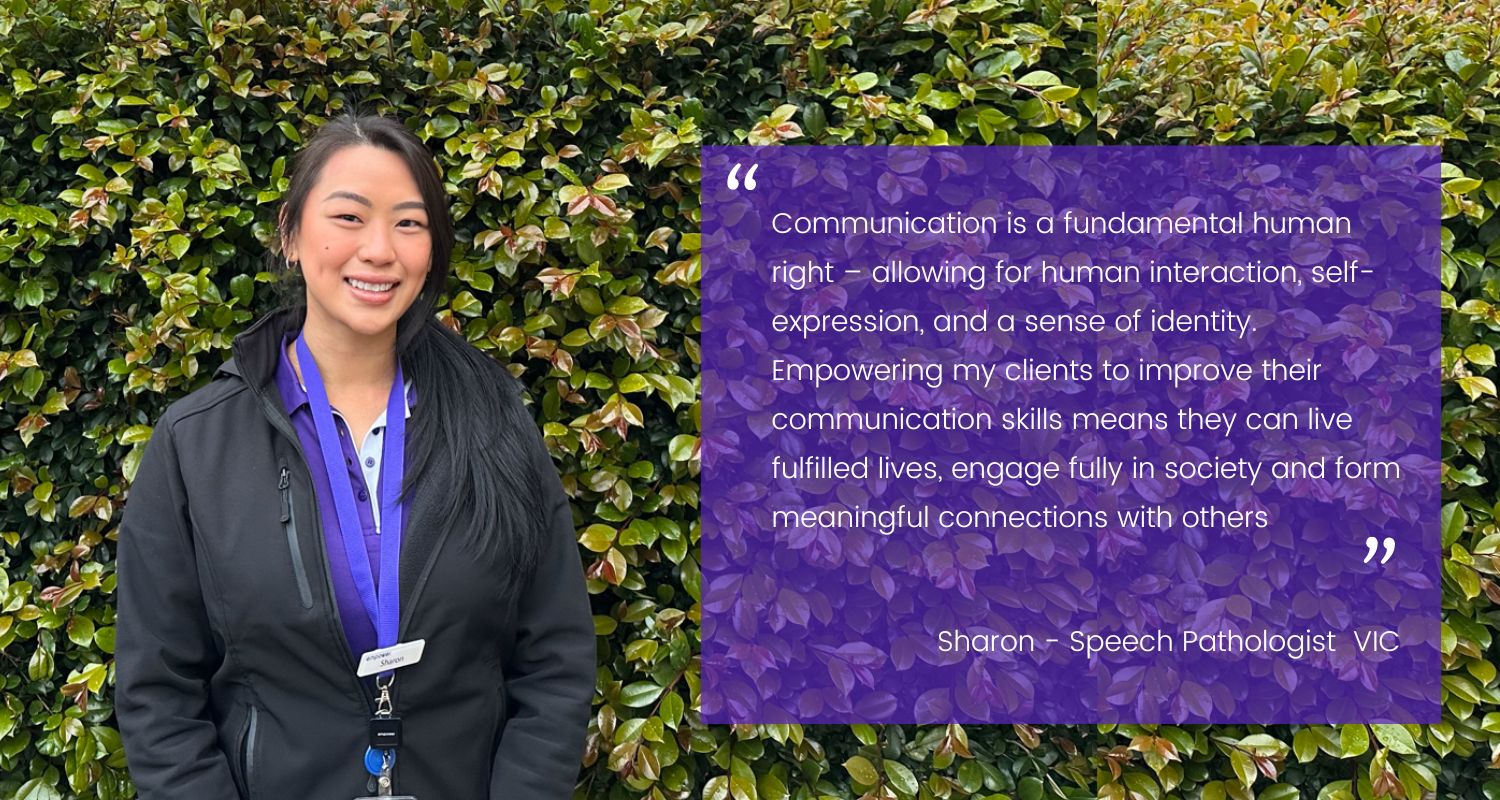
Meet Community Speech Pathologist Sharon

Sharon Speechie web


Sharon Speechie web

Passionate Speech Pathologist enjoys new challenges and assisting clients in the community.

Sharon joined Empower Healthcare to focus on working with adults and guiding students on placement, aligning with her career aspirations.

Her daily work is driven by the belief that communication is a fundamental human right, enabling interaction, self-expression, and identity.

The gratitude and positive feedback she receives from clients inspire and affirm the significant impact she is making on people’s lives.

Sharon works with Home Care and NDIS clients in Victoria’s North and West. Her scope of practice includes working with adults with neurological conditions and swallowing and communication disorders. Sharon empowers clients to improve their communication skills to help them actively engage in society to form meaningful connections.

Outside of work she prioritises physical and mental well-being by dedicating time to strength training and relaxing in an infrared sauna post-workout. Meditation is also essential to her to help find tranquility and mental clarity amidst a busy schedule. She is always eager to explore new ways to enhance overall well-being for both herself and the people she cares for.

Get Started With Our Home Care & NDIS Services

Simply click on the image below for our referral form.

Referral on-boarding now completed online in minutes


More blogs

More about our Speech Pathology services

Managing Salt Intake

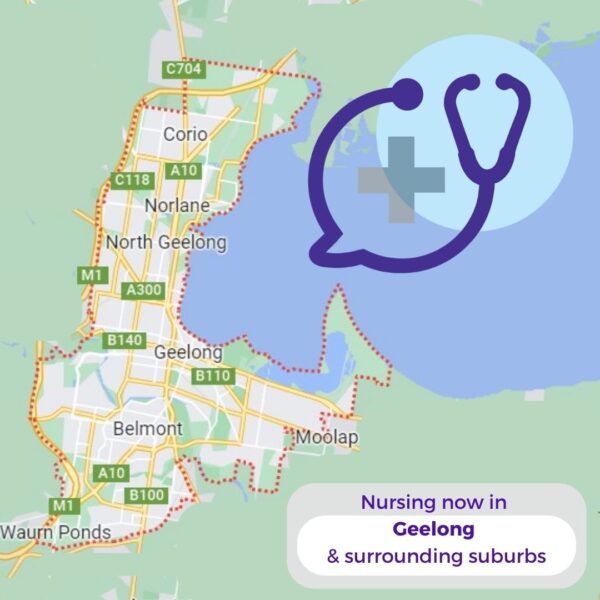
Nursing services now in Geelong Victoria

Nursing EDM banner

Nursing in Geelong and surrounding suburbs

On the the success of our Melbourne Nursing services growth we are pleased to say that our exceptional Nursing care is now being offered in Geelong and surrounding suburbs.

Have peace of mind knowing we have carefully selected our Nursing team to ensure that our standards will continue for you and the people you care for.


Our Nursing appointments are minimum 30 mins (where appropriate) which differ from others in the area.

To ensure we have all the information needed, every new client will have an initial assessment.

Our broad range of nursing services include;

  • Wound care
  • Medication management
  • Diabetic management
  • Wellbeing checks
  • Catheter care
  • AND more

Nursing Templates

Templates to guide you on the information needed to administer the correct care.

STEPS

Download the template > complete the details > forward to your doctor for further completion > attach completed authority to the Empower Referral

Our highly qualified and friendly Nursing team are looking forward to meeting the Geelong community.

MORE BLOGS

Living life to the full after Ostomy surgery

Nutrition and the immune system


Get Started With Our Home Care & NDIS Services

Simply click on the image below for our referral form.

Referral on-boarding now completed online in minutes

 …