Category Archives: Community

Empowering Autistic Older Adults In Homecare

Web Blog (1500 x 800 px)

Web Blog (1500 x 800 px)

As World Autism Awareness Day 2026 approaches (April 2nd), the global conversation is turning toward the Sustainable Development Goals (SDGs) and the commitment to leave no one behind. For autistic older adults receiving home‑care supports, this means moving beyond awareness and into meaningful, skilled, person‑centred practice.

In Australia, this shift is long overdue. Autism in older adults has historically been overlooked, misunderstood, or misdiagnosed. Many autistic people now in their 60s, 70s and 80s grew up before autism was formally recognised (the diagnosis only entered the DSM in 1980). As a result:

  • Autism remains significantly underdiagnosed in older Australians.
  • The Australian Bureau of Statistics reports that autism diagnoses are most common in younger age groups, with only a very small percentage identified over age 65—yet clinicians widely acknowledge this does not reflect true prevalence.
  • Many older autistic adults have lived a lifetime without understanding their neurodivergence, often developing coping strategies such as masking, which can lead to exhaustion, anxiety, and burnout later in life.

Homecare providers are uniquely positioned to change this narrative. With the right knowledge and approach, allied health professionals can create environments where autistic older adults feel safe, understood, and empowered.

Occupational Therapists (OTs): Creating Comfort and Independence at Home

OTs play a central role in helping participants feel grounded and capable within their own homes.

  • Sensory Assessments: Identifying sensitivities to noise, light, textures, or clutter, and recommending practical adjustments.
  • Routine Building: Supporting predictable daily rhythms that reduce anxiety and decision fatigue.
  • Environmental Modifications: Introducing low‑arousal changes—soft lighting, quiet zones, visual schedules, or simplified spaces—to reduce overwhelm and increase independence


OTs work alongside each person to support them to create a home environment that reflects their preferences, strengths, and sensory needs, helping them feel comfortable and confident in their own space.


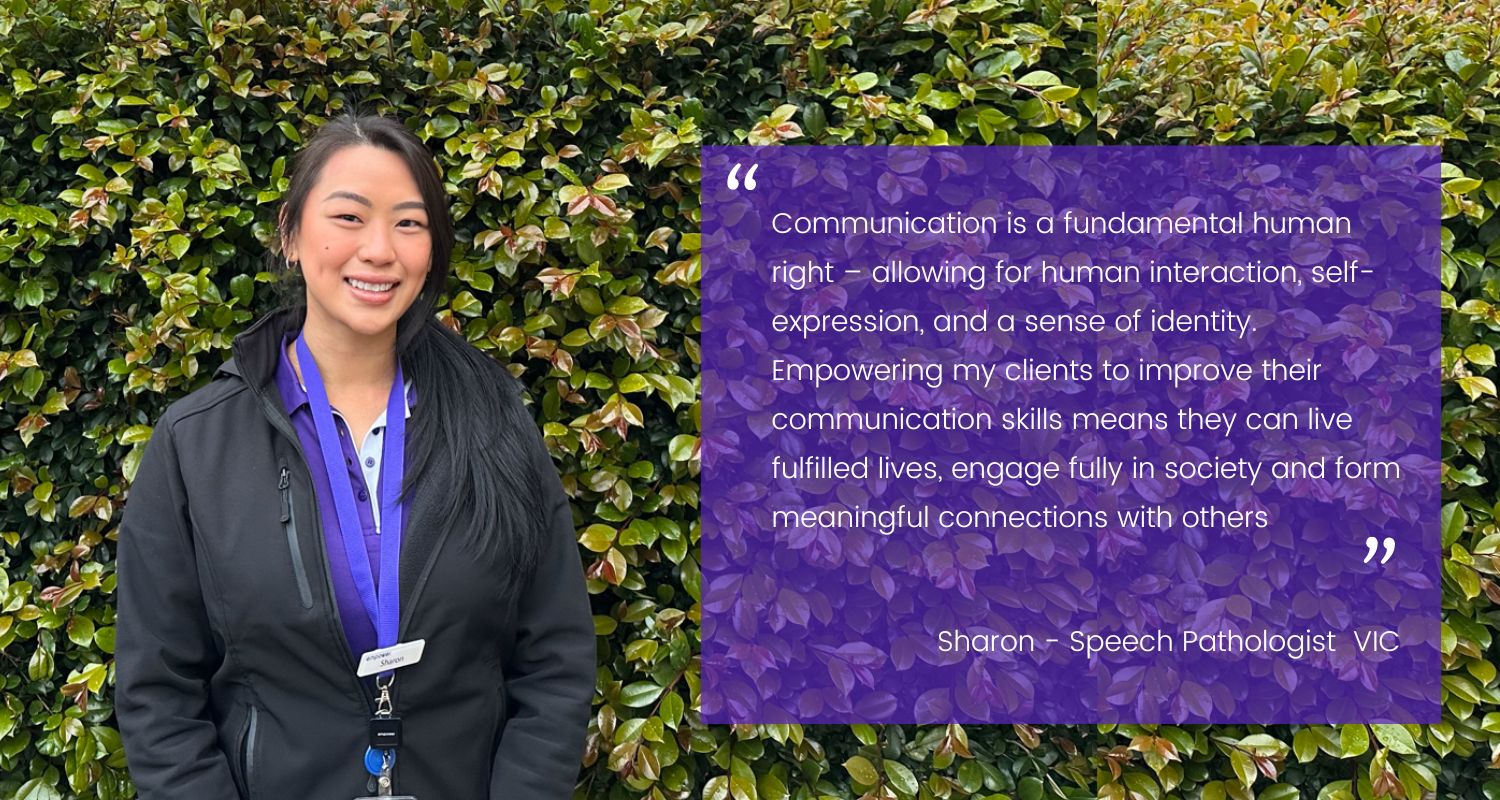
Speech Pathologists: Supporting Communication and Connection

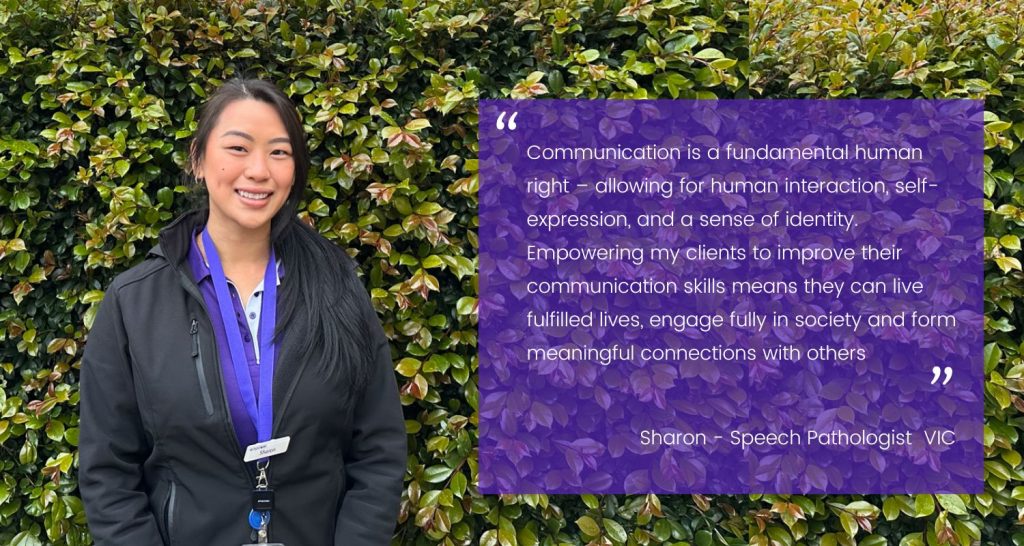
Communication differences don’t disappear with age, but they are often misinterpreted—especially when a person has never had a formal autism diagnosis.

Speech pathologists help ensure the participant’s communication style is respected and supported.

  • Alternative Communication: Visual supports, simplified language, or communication devices when needed.
  • Advocacy: Helping support workers understand the participant’s preferred communication style.
  • Holistic Support: Addressing social communication challenges and providing swallowing assessments when relevant.

Their work ensures that communication barriers never become barriers to dignity.


Physiotherapists: Movement, Regulation, and Comfort

Physiotherapists play a vital role beyond mobility support by facilitating emotional regulation and sensory integration through tailored physical activity programs. These interventions are designed to be structured, predictable, and adapted to individual sensory profiles and emotional needs, promoting a sense of grounding and calm.

Key benefits include:

  • Sensory and Emotional Regulation: Movement-based routines help modulate sensory sensitivities and support emotional control by improving bodily awareness and autonomic nervous system balance.
  • Pain and Discomfort Management: Addressing physical discomfort can reduce sensory overload and enhance overall wellbeing.
  • Cognitive and Executive Support: Structured activities encourage attentional control and self-monitoring, aiding emotional regulation.
  • Respectful, Individualised Planning: Activities are carefully aligned with each participant’s sensory preferences and emotional comfort zones, ensuring engagement and reducing stress.
  • Professional Guidance: Interventions delivered or supervised by trained physiotherapists maximise safety, adaptation, and emotional support.

Movement becomes a tool not just for physical function, but for emotional stability and overall wellbeing.


Nurses: Everyday Advocacy in the Home

In home care, nurses are often the people participants interact with most frequently. Their role is essential.

  • Recognising Sensory Overload: Spotting early signs of overwhelm, shutdown, or distress.
  • Medical Advocacy: Supporting participants through healthcare interactions, which can be highly sensory and anxiety‑provoking.
  • Consistency and Predictability: Minimising unnecessary changes to routines, support workers, or schedules.

These everyday interactions shape how safe and supported an autistic older adult feels.

Why a Team Approach Matters

The theme for World Autism Awareness Day 2026—Autism and Humanity: Every Life Has Value—reminds us that autistic older adults are not difficult clients or complex cases. They are individuals with rich histories, strengths, and identities.

When home‑care teams collaborate, they move beyond a one‑size‑fits‑all model and physic toward truly person‑centred support.

Autistic older adults thrive when care is:

  • predictable
  • respectful
  • sensory‑aware
  • collaborative
  • grounded in autonomy and dignity

An inclusive society is one where everyone can live well, and for autistic seniors, that means feeling safe, understood, and genuinely valued in their own homes.

Reference:

Physical Activity-Based Interventions and Emotional Regulation in Individuals with Autism Spectrum Disorder: A Systematic Review

https://www.mdpi.com/2076-3417/16/5/2492


Referral form 600x400

Celebrating 10 Years of Empowering Independence

10 years blog banner

10 years blog banner

A Decade of Walking Beside Australians

Ten years ago, Empower Healthcare began with a simple but ambitious purpose: to deliver evidence‑informed, person‑centred allied health that genuinely improves independence, function, and quality of life. A decade later, that purpose hasn’t wavered — it has strengthened.

This anniversary isn’t just a marker of time. It’s a celebration of the clinicians who bring expertise and compassion into homes, workplaces, and communities across Australia. It’s a tribute to the individuals and families who have trusted us to walk beside them. And it’s a moment to reflect on the impact that reablement‑focused care can have when delivered consistently, thoughtfully, and with heart.

A Decade of Reablement in Action

For ten years, our clinicians have supported Australians to stay active, independent, and connected. From early intervention to complex care, from aged care to workplace health, our approach has always centred on one question: What will help this person live the life they choose?

Reablement isn’t a buzzword for us — it’s the backbone of our practice. It’s the quiet, steady work of building capability, confidence, and long‑term outcomes. And after a decade of delivering this model at scale, the results speak for themselves: improved function, reduced risk, greater participation, and thousands of stories of people achieving more than they thought possible.

10 years SoMe posts (2)

10 Years of Impact: Real People, Real Outcomes

Across metropolitan, regional, and rural communities, our clinicians have supported Australians through:

  • Restoring mobility and strength after injury or illness
  • Supporting older adults to remain safely at home
  • Improving communication, swallowing, and cognitive function
  • Enhancing wellbeing through tailored exercise and therapy programs

These outcomes aren’t abstract — they’re deeply personal. They’re the moments when someone takes their first independent step after a fall. When a client returns to a beloved hobby. When a family feels supported and informed.

10 years SoMe posts (3)

Clinicians at the Heart

Our 10‑year milestone is a tribute to the clinicians who show up every day with professionalism, empathy, and a commitment to best practice. Community‑based allied health is not easy work — it requires adaptability, clinical depth, and the ability to build meaningful relationships in diverse environments.

Over the coming months, we’ll be sharing Clinician Reflections: stories, insights, and moments that have shaped their practice. Because a decade of community care has taught us something important — meaningful outcomes start with meaningful relationships.

Thank You, Australia

For ten years, individuals, families, aged care providers, and community partners have trusted us with their wellbeing. That trust means everything. We’re proud to have walked beside so many Australians, and we’re grateful for every relationship built along the way.

Looking Ahead: The Next Decade of Allied Health

While anniversaries invite reflection, they also spark momentum. The next decade will bring new challenges, new opportunities, and new ways to strengthen capability, innovation, and quality across allied health.

We’re ready for it.

From day one to year ten, our purpose has remained steady: empower independence with evidence‑informed, person‑centred care. And we’re just getting started.

Here’s to the next decade of improving function, confidence, and quality of life across Australia.


Referral form 600x400

 …

Restorative Care Goal Plans (RCP) With Empower Nursing Support

RCP Nursing web image

RCP Nursing web image

Restorative Care Goal Plans Through Purposeful Nursing Support

At Empower, our nursing team is committed to delivering care that not only supports participants in the moment but strengthens their ability to thrive long-term.

As part of this commitment, our nurses are available to provide comprehensive assessments and nursing goal planning under Restorative Care Program (RCP) funding. If you believe this support may be beneficial, please contact our team, and we will work with you to determine how we can best implement this for you.

🌿 Why Goal Planning Matters in Restorative Care

Creating a goal plan is a cornerstone of the Restorative Care Pathway. Unlike traditional care plans, which often focus on managing existing needs, restorative care goal plans are designed to help participants maintain or regain function, build confidence, and prevent decline wherever possible.

This approach shifts the focus from “what support is needed today” to “what outcomes are possible over the next 16 weeks” a subtle but powerful change that places the participant’s aspirations at the centre of every decision.

🤝 A Collaborative, Person‑Centred Process

As restorative care partners, our nurses work closely with each participant and their multidisciplinary team to develop a clear, achievable set of goals. This collaborative process includes:

  • Comprehensive nursing assessments to understand current strengths, challenges, and functional capacity
  • Meaningful conversations that explore what matters most to the participant
  • Input from allied health professionals to ensure goals are clinically sound and holistically supported
  • A structured 16‑week timeframe that keeps progress focused and measurable

The result is a personalised roadmap that outlines not only the goals themselves but also the services, supports, and strategies required to achieve them.

📝 Replacing the Traditional Care Plan – With Purpose

While the goal plan replaces the traditional care plan, it still includes all the essential elements needed to deliver safe, effective, person centred care. What makes it different is its forward looking design. Instead of simply documenting care tasks, the goal plan:

  • Identifies functional goals that are meaningful and achievable
  • Details the interventions required to support progress
  • Encourages active participation and self‑management
  • Promotes collaboration across the care team
  • Provides a clear structure for reviewing and celebrating progress

This approach empowers participants to take an active role in their own wellbeing, supported by a nursing team that understands their goals and is committed to helping them succeed.

🌟 Empower’s Commitment to Restorative Care

Our comprehensive assessments and goal planning under RCP funding reflects our dedication to continuous improvement and innovation in community nursing. By embedding restorative principles into our everyday practice, we’re helping participants build resilience, independence, and quality of life.

Restorative care isn’t just a model, it’s a mindset. And at Empower, it’s one we’re proud to champion – please speak to our team or refer now.


MORE BLOGS

Living life to the full after Ostomy surgery

Nutrition and the immune system


Get Started With Our Home Care & NDIS Services

Simply click on the image below for our referral form.
Referral on-boarding now completed online in minutes

 …

Next Webinar: Dementia Webinar Series

Living well with dementia Webinar series (1)


Living well with dementia Webinar series (1)

🧠 Empowering Dementia Care: DEMENTIA WEBINAR SERIES

Are you ready for the future of aged care? We’ve created a powerful webinar series designed to equip care providers, families, and professionals with the tools, insights, and confidence to deliver exceptional dementia support in a changing landscape.

🔗 REGISTER HERE: https://www.empowerhealthcare.com.au/events/

💡 Why This Series Matters:

  • Practical Guidance
  • Clinician-Led Sessions
  • Real-World Tools

🎯 Who Should Attend:

  • Home care providers and care managers
  • Allied health professionals
  • Family carers and advocates
  • Aged care leaders

🌐 Flexible & Accessible:

Join live or watch on-demand. Whether you’re in the office or at home, our webinars are designed to fit your schedule and your goals.

🔗 Reserve Your Spot Today: https://www.empowerhealthcare.com.au/events/

Don’t miss your chance to stay ahead of the curve and lead with confidence in dementia care…

Sore, But Strong: Why Muscle Soreness Shouldn’t Hold You Back 

Muscle Soreness Banner

Muscle Soreness Banner

Understanding muscle soreness: causes and remedies

Have you ever felt that familiar muscle ache after a workout? That’s muscle soreness, a common experience for those who stay active. But what causes this discomfort, and how can you manage it?

Muscle soreness, felt as pain or stiffness, occurs post-exercise due to tiny injuries in the muscle fibers, known as micro-trauma. Typically, it appears a day after exertion, making muscles sensitive to touch and painful during movement, sometimes reducing strength for up to a week.
Symptoms of Muscle Soreness
• Dull ache
• Stiffness
• Tenderness
• Reduced range of motion
• Pain with stretching
• Temporary loss of strength

Why Does Muscle Soreness Happen?

1. Eccentric Movements: Stretching a muscle in the opposite direction of its tension can lead to soreness.
2. Infrequent Exercise: If you’re not regularly active, even light exercises can cause soreness due to poor muscle coordination.
Muscle soreness differs from the immediate pain of a tear, as it usually develops hours after activity or the next day. This delay is because pain receptors are in connective tissues, not muscle fibers. For activation, certain substances must be released, causing the soreness experienced.

Common Causes of Sore Muscles

• Introducing eccentric loads
• Restarting exercise after a long break
• Increasing workout intensity rapidly
• Trying unfamiliar movements
• Overusing muscles
• Exercising while unwell

Managing Muscle Soreness

• Use sore muscles gently in daily activities
• Avoid heavy lifting and intense workouts temporarily
• Engage in gentle stretching
• Try light exercises for sore muscles
• Apply heat for pain relief

Prioritising movement is key to staying active and feeling your best. While muscle soreness is a natural part of exercise, persistent or sharp pain shouldn’t be ignored. If discomfort is holding you back Massage Therapy can help and talk to our allied health clinicians who are here to help.

We’ll work with you to manage and prevent pain, so you can move with confidence and keep enjoying your fitness journey. Keep moving, keep thriving

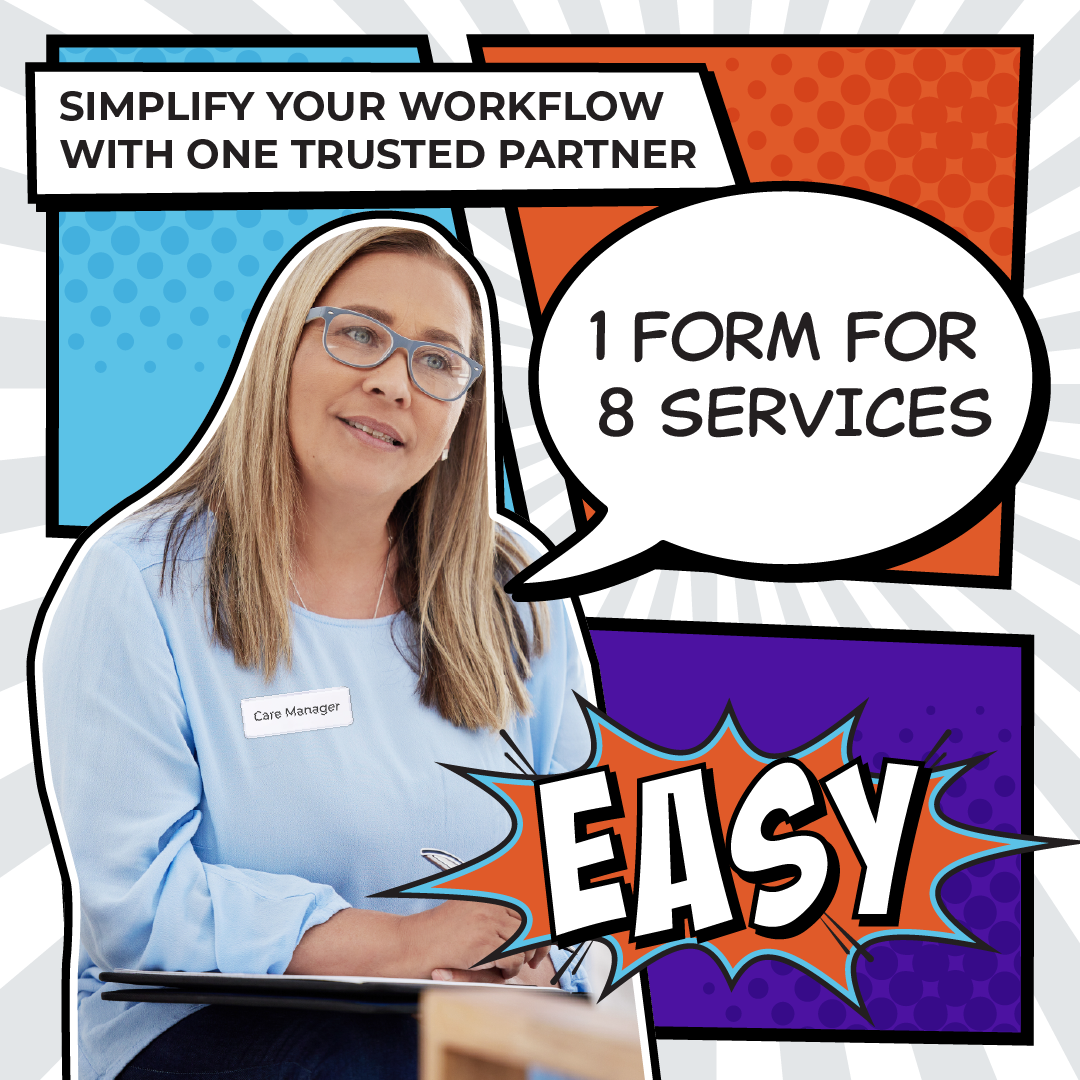
Empower Healthcare streamlining solutions for busy caseloads

EMPOWER Linkedin Ads Campaign FA 04

In the world of care management, we understand that tackling heavy workloads while delivering outstanding client care is a daily challenge

We offer practical solutions that reduce caseload burdens, like a simple online referral forms, weekly wait time updates, short wait times, exceptional support and more. Our approach is tailored to meet the needs of care managers everywhere.


EMPOWER Linkedin Ads Campaign FA 04

Weekly Wellness Webinars: supporting wellness at home

Weekly webinars


Weekly webinars

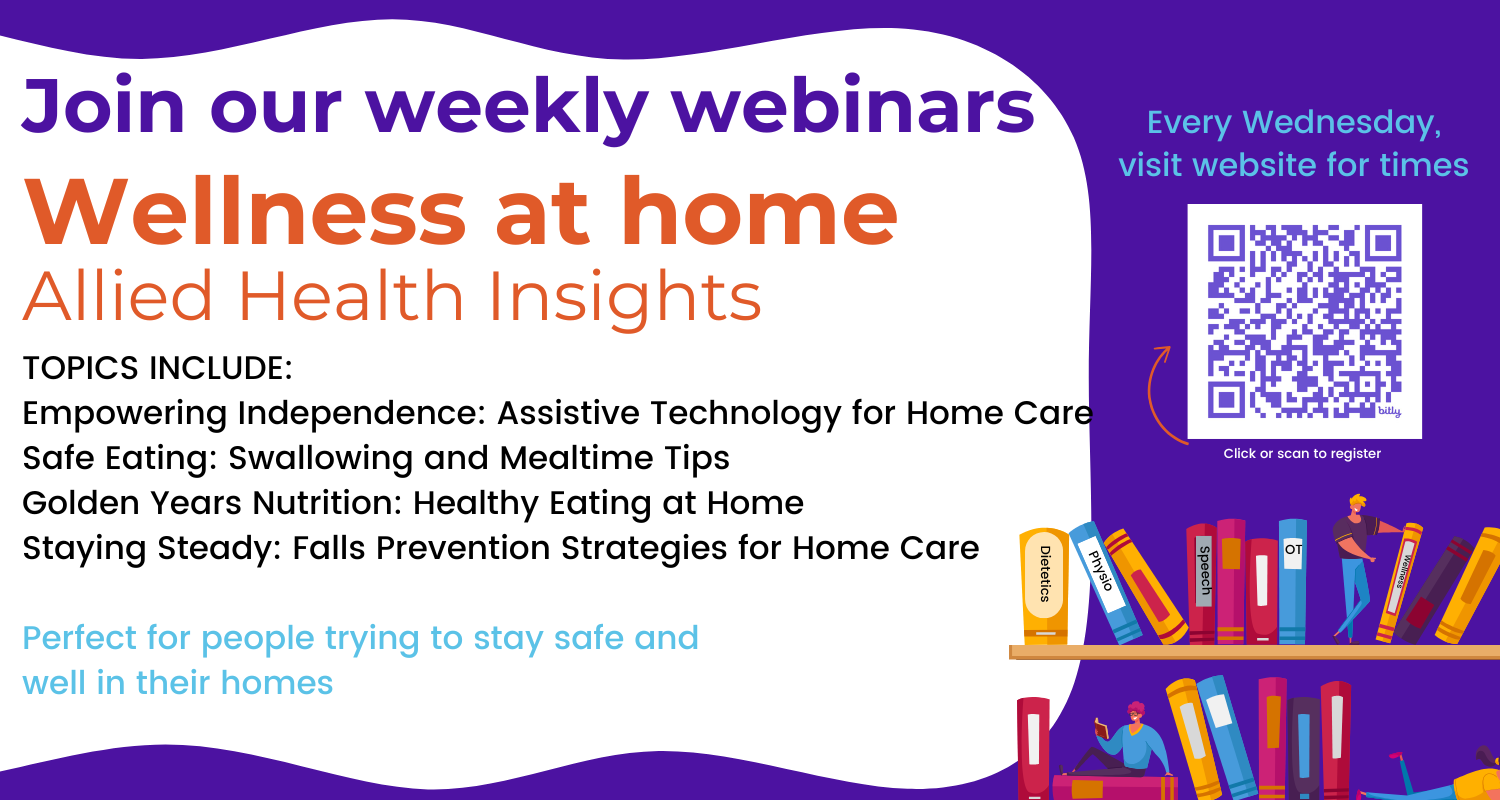
✨ Join Our WEEKLY WELLNESS WEBINARS! ✨

We are thrilled to introduce our Weekly Wellness Webinars, a series of live Zoom sessions led by our knowledgeable clinicians.  Join us every week to explore how Allied Health services can enhance your wellness at home.

When?: Every Wednesday
Where? Zoom

What?

– Actionable insights
– Practical tips
– Live Q&A sessions with our clinicians

TOPICS INCLUDE:

  • Empowering Independence: Assistive Technology for Home Care
  • Safe Eating: Swallowing and Mealtime Tips
  • Golden Years Nutrition: Healthy Eating at Home
  • Staying Steady: Falls Prevention Strategies for Home Care

Missed a session this month? No problem! Our webinars will be repeated monthly, and updated links will be available on our website.
Got questions? Feel free to reach out to us!


Simply click on the image below for our referral form.

Referral on-boarding now completed online in minutes


Newly created Retention role, meeting client needs.

Debbie M blog banner (1)

Debbie M blog banner (1)

Welcome Debbie to Empower Healthcare: Our New Service Retention Officer

At Empower Healthcare, we are excited to announce the addition of Debbie to our team in the newly created role of Service Retention Officer. This position was established to enhance customer satisfaction by ensuring seamless management of planned and unplanned appointment changes within our Victorian POMA (Physiotherapy, Osteopathy, Massage, and Allied Health Assistance) services.

Enhancing Client Experience with Debbie

Debbie’s warm and personable demeanour on the phone has quickly established a genuine connection with our clients and coordinators, leading to high satisfaction levels. Our commitment to going the extra mile is evident through our personalised approach, where we invest time in finding and offering alternative appointment options whenever our clinicians are unavailable. This dedication truly enhances the client experience and reinforces our commitment to meeting their needs.

Debbie arrived from England many years ago on a one-year holiday visa and decided to make Australia her home. With 25 years of experience running her own sales and marketing businesses, 10 years at QML Pathology QLD, and the last 2 years in a QLD government call centre managing over 350 services, Debbie brings a wealth of knowledge and expertise to the new role.

Impacting Lives Through Continuity of Care

Debbie is passionate about ensuring clients have continuous appointments and do not miss any sessions. She believes in the importance of maintaining the continuity of appointments because of the health-related consequences.

Debbie says,

It’s important to keep the continuity of appointments because our bodies quickly lose muscle memory. By offering alternative appointments with the clinicians they love and have built rapport and relationships with, we help maintain their fitness.

In addition to her professional accomplishments, Debbie holds a degree in Biomedical Science and enjoys reading medical thrillers. She is also busy with her cherished eight grandchildren, ranging from 15 months to 8 yrs old.

At Empower Healthcare, we are dedicated to providing exceptional care and services to our clients. With Debbie on board as our Service Retention Officer, we are confident that we will continue to enhance our clients’ experiences and ensure their needs are met with the utmost care and attention.…

We wish you a jolly good self care season!

Caring for the Carer

Caring for the Carer

We Wish You a Jolly Good Self Care Adventure!

As the bustling festive season draws near, it’s all too easy to become caught in a whirlwind of tasks for others, neglecting the sacred art of self care. Here we are helping you to take a moment to reflect and explore various ways in which you can prioritise your own self care.


1. Set Boundaries

It’s important to know your limits and communicate them to others. Saying “no” when you’re overwhelmed is perfectly acceptable and necessary for your mental health. Therefore, make sure to prioritise activities that bring you joy and peace.

2. Schedule Downtime

Amidst the hustle and bustle, ensure you have pockets of time dedicated to relaxation. Whether it’s reading a book, taking a walk, or indulging in a favourite hobby, these moments of downtime can recharge your energy.

3. Maintain a Balanced Diet

With all the festive treats around, it can be tempting to overindulge. Aim to balance indulgence with nutritious meals to keep your body feeling its best. Remember to stay hydrated and incorporate fruits and vegetables into your diet.

4. Practice Mindfulness

Engage in mindfulness practices such as meditation, deep breathing, or yoga to center yourself. These activities can help alleviate stress and enhance your emotional health.

5. Get Enough Sleep

Prioritise sleep to ensure you’re well-rested and able to enjoy the festivities. Try to maintain a consistent sleep schedule, even with late-night celebrations.

6. Connect with Loved Ones

While it’s easy to get caught up in the preparations, don’t forget to spend quality time with family and friends. Meaningful connections can greatly enhance your emotional well-being.

7. Engage in Physical Activity

Exercise is a great way to boost your mood and relieve stress. Whether it’s a brisk walk, a dance class, or a workout session, find an activity you enjoy and make time for it.

8. Reflect and Express Gratitude

Take a moment to reflect on the year and express gratitude for the positive aspects of your life. Keeping a gratitude journal can help shift focus to the good things and improve your overall outlook.

9. Pamper Yourself

Treat yourself to something special, whether it’s a spa day, a new book, or a cozy night in. Small acts of pampering can have a significant impact on your mood.

10. Seek Support if Needed

If the festive season becomes overwhelming, don’t hesitate to reach out for support. Whether it’s talking to a friend, family member, or professional, sharing your feelings can provide relief.
Remember, taking care of yourself is not a luxury but a necessity, especially during the holiday season. By incorporating these self-care tips, you can ensure that you enjoy a joyful and balanced festive period.

SOME OF OUR OTHER BLOGS

 …

Empower Healthcare – caring for you where you are

7R2A0269 scaled


7R2A0269 scaled

At Empower Healthcare, we provide in home person centred services

With the convenience of home visits, we not only make treatments easier but also customise our methods to your environment, ensuring an efficient and comfortable journey towards improved health.

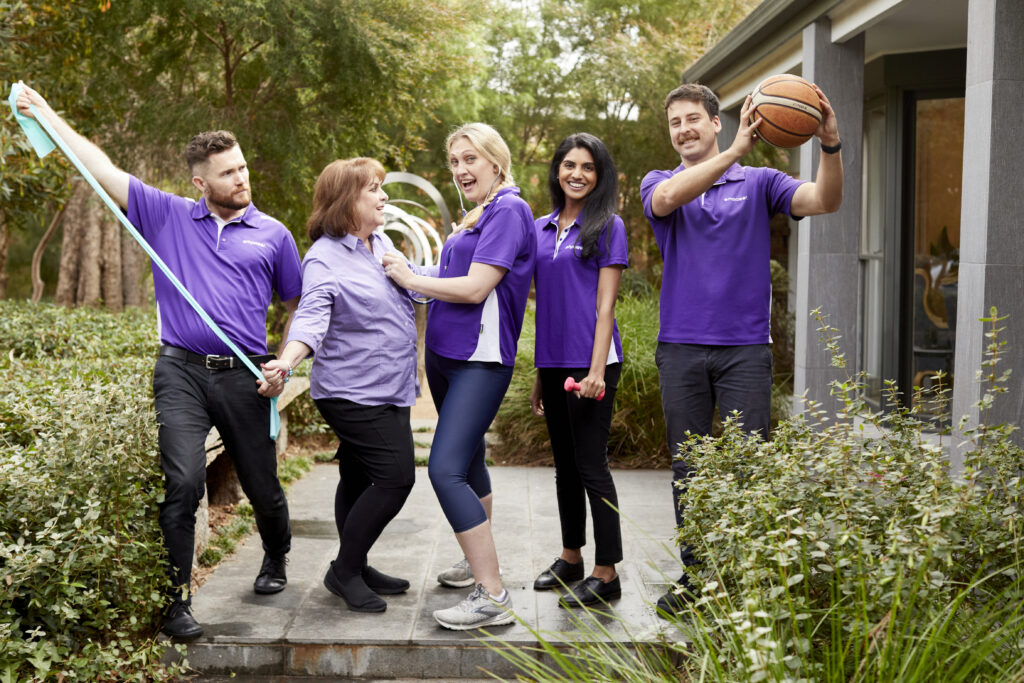
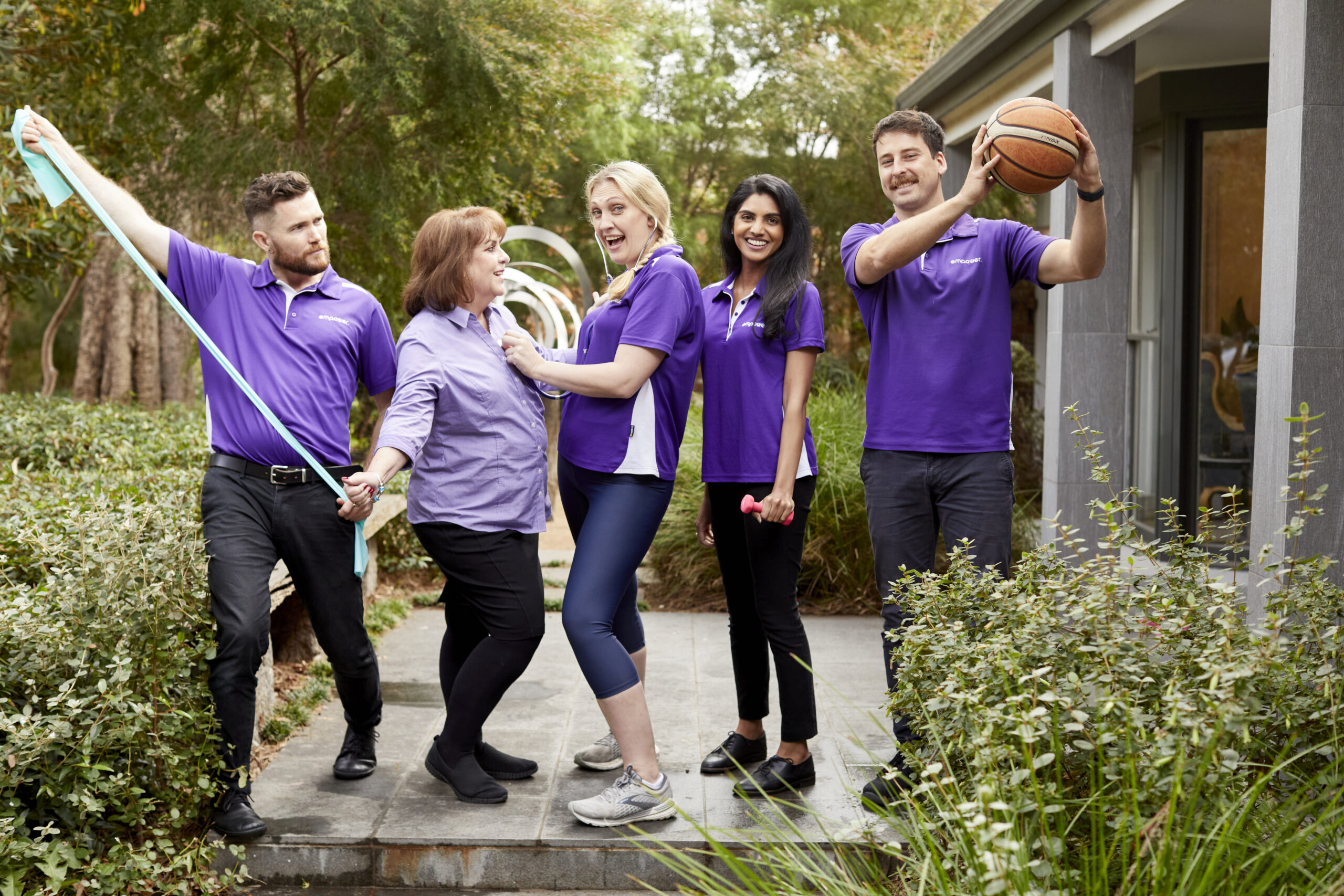
Our caring and knowledgeable team of mobile clinicians are ready to help in Home Care, NDIS and Residential Aged Care (RAC). Referrals can be made to one or multiple services as required.
Explore the range of services we provide across all states (VIC, NSW, QLD, WA) as below:
Physiotherapy:
Our Physiotherapists offer comprehensive care addressing unique health goals with a blend of customised exercise programs and advanced manual techniques.

Occupational therapy:

  • Our OT’s are experts in making daily activities easier, address safety concerns and optimise your home environment for your function.

Dietetics:

  • Our Dietiians help in customising and optimising diets and nutrition to improve health and quality of life, while treating and preventing a range of chronic health conditions.

Nursing:

  • Our Nurses are able to complete relevant assessments to implement appropriate treatments, depending on your needs.

Podiatry:

  • Our Podiatrists are experienced in the care of feet, ankles and lower legs providing treatments for conditions arising from growth, ageing, disability or injury.

Speech pathology:

  • Our Speech Pathologists provide assessment, diagnosis, intervention, and management in the areas of communication and swallowing.

Massage therapy:

  • Our Massage therapist will identify the type of massage to best suit your needs to help balance the length and tension of the muscles and tendons helping restore correct positions and increase blood circulation.

Osteopath:

  • Our Osteopaths assess and treat structural and functional integrity of the human body, focusing on musculoskeletal system

Get Started With Our Home Care & NDIS Services

Simply click on the image below for our referral form.

Referral on-boarding now completed online in minutes