Category Archives: Dementia

Unlocking Better Outcomes: Introducing Our New Quick Reference Guides for Referrers

Quick Reference Guides 2026

Unlocking Better Outcomes: Introducing Our New Quick Reference Guides for Referrers

As a referrer, coordinator, care partners, or case manager, you are on the front lines of supporting older adults and participants navigating complex health changes. Whether it’s a normal part of ageing or a life-altering diagnosis like a stroke, dementia, or Parkinson’s disease, identifying exactly when and how allied health can step in is critical.

To help you streamline this process and ensure your participants get the right support at the right time, we have developed a suite of comprehensive reference documents.

These resources bridge the gap between noticing a participant’s functional decline and mapping out a highly effective, cross-disciplinary care plan.

Why Early Intervention Matters

Many challenges—ranging from nutritional deficiencies to cognitive slowing and motor impairments—do not occur in isolation. Left unaddressed, small changes can compound into a rapid cycle of declining function, increased risk of hospitalisation, and carer burnout.

Our guides are designed to help you catch these changes early. Explore the core areas below and download the specific guide you need to optimise your care plans:

  1. General Ageing: Moving Beyond “Normal” Decline

Ageing is not a diagnosis, but it does bring physical, cognitive, and nutritional shifts.

  • The Challenges: Sarcopenia (loss of muscle mass), balance issues, malnutrition (affecting 10–20% of community-dwelling older adults), and swallowing difficulties (dysphagia).
  • How We Help: Our Physiotherapists and Occupational Therapists (OTs) implement evidence-based falls prevention and home modifications (shown to reduce falls by up to 39%). Meanwhile, Dietitians build meal plans to reverse unintentional weight loss, and Speech Pathologists manage safe swallowing to protect against aspiration pneumonia.
  • Deeper Dive: For a full clinical breakdown, symptom mapping, and cross-disciplinary interventions, download our guide below.

📥 Download the General Ageing Quick Reference Guide

  1. Stroke Recovery: Reclaiming Independence

A stroke can cause temporary or permanent disabilities depending on the location and duration of reduced blood flow.

  • The Challenges: One-sided limb weakness, aphasia (communication issues), neuropathic or nociceptive pain, emotional changes like depression, and incontinence.
  • How We Help: OTs teach one-handed cooking or dressing sequences and prescribe specialised assistive technology (like plate guards or large-handled cutlery). Speech Pathologists target aphasia, apraxia, and dysphagia, while Dietitians ensure optimal caloric intake to combat post-stroke fatigue.
  • Deeper Dive: For comprehensive functional impact analysis and post-stroke management strategies, download our guide below.

📥 Download the Stroke Quick Reference Guide

  1. Dementia Support: Navigating Progressive Changes

Dementia impacts far more than just memory; it progressively alters physical capabilities, judgment, and sensory perception.

  • The Challenges: Early-stage confusion, mid-stage disorientation and cooking safety risks, and late-stage complete dependence alongside motor impairments or swallowing issues.
  • How We Help: OTs introduce cognitive aids (like medication reminders) and structure environments to reduce confusion. Speech Pathologists implement communication aids to reduce social isolation, and Dietitians manage the nutritional decline associated with advanced stages.
  • Deeper Dive: For a detailed look at the typical timelines of progression and non-pharmacological interventions, download our guide below.

📥 Download the Dementia Quick Reference Guide

  1. Parkinson’s Disease: Proactive Multidisciplinary Care

Parkinson’s disease (PD) requires a highly responsive, long-term approach to manage both motor and non-motor symptoms as they evolve.

  • The Challenges: Tremor, rigidity, bradykinesia (slowness of movement), freezing of gait, sleep disturbances, and cognitive decline.
  • How We Help: We utilise a coordinated “DOT” team approach. OTs implement sensory cues for freezing episodes and ergonomic adjustments for rigidity. Dietitians modify food textures and meal timing to optimise energy, and Speech Pathologists utilise ‘slow speech’ techniques and swallowing therapy.
  • Deeper Dive: For the complete symptom impact matrix and comprehensive referral pathways download our guide below.

📥 Download the Parkinson’s Disease Quick Reference Guide

  Spotting the “Red Flags”  

Our guides outline critical clinical triggers that mean your participant requires an urgent referral. Keep an eye out for these high-risk indicators across your caseload:

  • Recurrent or Recent Falls: Can indicate acute neurological changes, functional decline, or immediate safety hazards.
  • Sudden Weight Loss or Gain: A major indicator of malnutrition, swallowing complications, or progressive chronic disease.
  • Unsafe/Impulsive Behaviours: Such as leaving the stove or oven on, posing an immediate fire risk.
  • Development of Pressure Sores: Signals a severe lack of mobility or inadequate pressure-relieving equipment that requires rapid nursing or OT intervention.
  • Severe Carer Burnout: Directly threatens the safety and continuity of the participant’s home care arrangements.
  • Post-Hospital Discharge: A high-risk window frequently complicated by new medications, confusion over care plans, and latent functional decline.

Partner with Us

By taking a cross-disciplinary approach, our clinicians collaborate smoothly under one roof, facilitating streamlined communication and drastically better outcomes for your participants.…

Understanding Malnutrition in Individuals with Dementia

Malnutriton and dementia web

Malnutriton and dementia web

Dementia is a complex condition that affects millions of people worldwide, leading to cognitive decline and impacting daily living activities. One of the significant challenges faced by individuals with dementia is malnutrition.

This blog explores the causes, consequences, and strategies to manage malnutrition in those living with dementia.

 Causes of Malnutrition in Dementia

  1. Cognitive Impairment: Dementia affects memory, attention, and decision-making abilities, making it difficult for individuals to remember to eat or recognize hunger cues.
  2. Physical Limitations: Motor skills can decline, making it challenging to prepare meals, use utensils, or even chew and swallow food properly.
  3. Behavioral Changes: Changes in behavior, such as increased agitation or depression, can lead to a lack of interest in food.
  4. Sensory Changes: Altered taste and smell can make food less appealing, reducing the desire to eat.
  5. Medication Side Effects: Some medications used to manage dementia symptoms can cause nausea, loss of appetite, or other gastrointestinal issues.


Consequences of Malnutrition

Malnutrition can have severe consequences for individuals with dementia, including:

  • Increased Cognitive Decline: Poor nutrition can exacerbate cognitive impairment, leading to faster progression of dementia symptoms.
  • Weakened Immune System: Malnutrition can compromise the immune system, making individuals more susceptible to infections.
  • Muscle Weakness and Frailty: Lack of proper nutrition can lead to muscle wasting, increasing the risk of falls and fractures.
  • Dehydration: Often accompanying malnutrition, dehydration can cause confusion, urinary tract infections, and other health issues.


Strategies to Manage Malnutrition

  1. Regular Monitoring: Regularly monitor weight, food intake, and hydration levels to identify early signs of malnutrition.
  2. Nutrient-Dense Foods: Offer small, frequent meals that are high in calories and nutrients. Include foods rich in protein, vitamins, and minerals.
  3. Create a Pleasant Eating Environment: Reduce distractions, use solid-colored plates, and ensure the dining area is well-lit to make mealtime more enjoyable.
  4. Finger Foods: For those with difficulty using utensils, provide easy-to-eat finger foods like sandwiches, fruit slices, and cheese sticks.
  5. Hydration: Encourage regular fluid intake by offering water, juices, and soups. Use straws or adaptive cups if needed.
  6. Involve in Meal Preparation: Engage the individual in simple meal preparation tasks to stimulate appetite and provide a sense of accomplishment.
  7. Consult Professionals: Work with dietitians, speech therapists, and occupational therapists to develop personalized nutrition plans and address specific challenges.

Malnutrition in individuals with dementia is a multifaceted issue that requires a comprehensive approach to manage effectively with the assistance from an Empower Dietitian. By understanding the causes and implementing targeted strategies, we can significantly improve the nutritional status and overall quality of life for those living with dementia. We use patience and empathy in supporting individuals through their journey with dementia.

If you have any specific questions or need further information, feel free to ask!


Speech Pathologists and Dietitians work together to help people with Dysphagia

 …

Empower Nurses provide Dementia and Cognition Assessments

Nursing cognitive assessment blog 1500x800

Nursing cognitive assessment blog 1500x800

A fast and convenient way to access cognition supplement funding.

Your client may be eligible for additional funding through the Dementia and Cognition Supplement which can be provided by our Empower Nurses. This supplement offers an extra 10% on top of the Home Care Package funding to help keep clients at home for longer.

Who is Eligible?

The supplement is designed for people with dementia or cognitive impairment,. To be eligible, they need to demonstrate a need for regular supervision and assistance with daily activities.

Assessment Process

The assessment itself is a one-hour visit by a member of our Empower Nursing Team.

  • During the visit, the Nurse will use a cognitive assessment tool, such as the Psychogeriatric Assessment Scales or the Rowland Universal Dementia Assessment Scale to evaluate the client’s cognitive function.
  • The case manager then submits the form to Services Australia.

These assessment tools are recognised by the Department of Health.  See more details.

Potential Benefits

The supplement can be highly beneficial for both clients and home care providers.

  • For clients, it can mean an additional 10% in funding, which can greatly contribute to their ability to stay at home.
  • For home care providers, it means more resources to provide the necessary care and support for their clients.

Efficiency and Convenience

One of the key advantages of this supplement is that it provides a fast and convenient way to access additional funding. The assessment can be completed in one hour, and the outcome is provided on the same day. This means that the client doesn’t have to wait for a long time to find out if they’re eligible for extra assistance.

The Dementia and Cognition Supplement offers a streamlined process for clients to access additional funding. This supplement can be a game-changer for clients with dementia or cognitive impairment, as it provides the financial support they need to stay at home for longer, where they are most comfortable and surrounded by a familiar environment.

So, if you haven’t already, make sure to inform your clients about this supplement and make an Empower Nursing referral today. 


MORE BLOGS

Living life to the full after Ostomy surgery

Nutrition and the immune system


Get Started With Our Home Care & NDIS Services

Simply click on the image below for our referral form.

Referral on-boarding now completed online in minutes

 …

Embracing Innovation with a world-first in Dementia education: Talk with Ted

Copy of Nursing shower help Web 1500 x 800 px

Dementia training

 Half a million Australians are living with dementia today, this number is set to double over the coming years.

Our Empower therapists have the privilege of meeting and working with many clients and their families who are facing the challenges that dementia can bring. That is why we were so happy to learn of a new approach to training healthcare workers in the best strategies for communicating with people living with dementia.


Talk with Ted

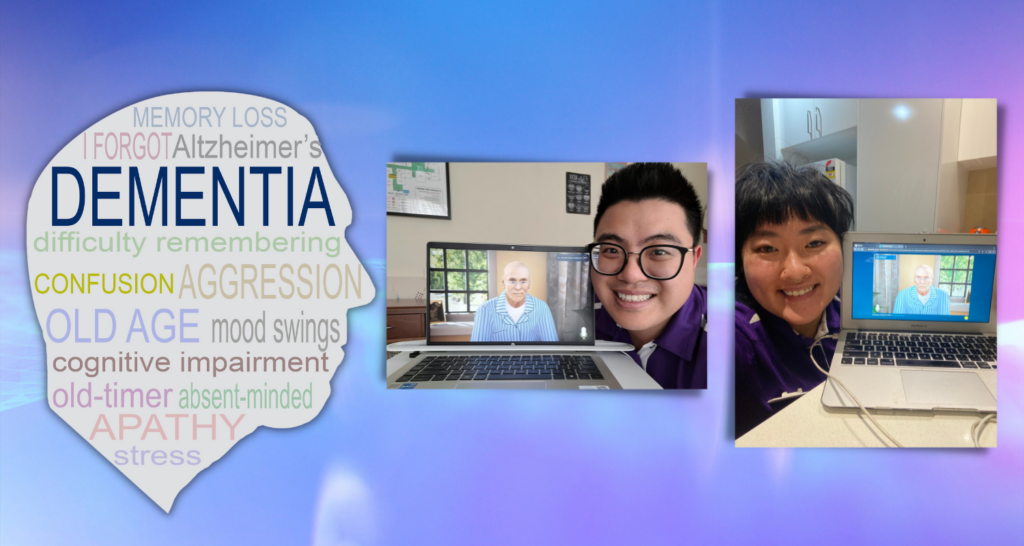
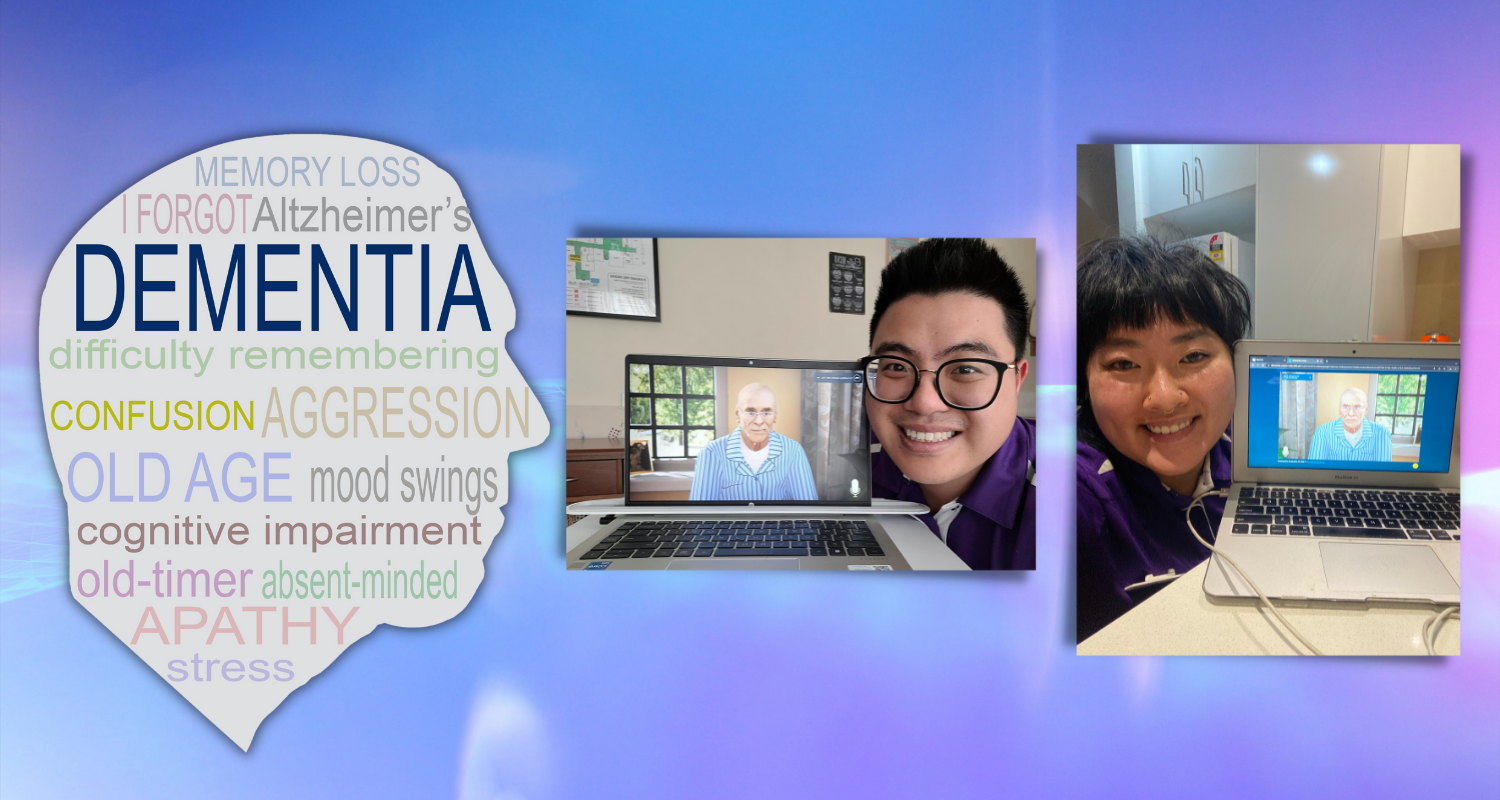
Talk with Ted is a program developed by Dementia Australia’s Centre for Dementia Learning and Deakin University’s Applied Artificial Intelligence Institute in collaboration with healthcare workers.The program is based on real life experiences of people living with dementia and Ted is an artificially intelligent avatar who is facing many of the common struggles that people with dementia manage daily.


The immersive learning experience teaches a person-centred approach to communicating with the individual and gives our newly graduated clinicians the opportunity to practice and improve their skills. This is just one of the ways we are striving for excellence and constantly looking for ways to help our clinicians deliver high quality healthcare with the best possible outcomes for our clients, their families, and communities.

Our clinicians feedback:

I liked the avatar. Especially when aiming to use the right language – Tony
Gaining empathy and understanding of what it feels like for the residents with dementia – Kristea
Understanding the Human Rights of patients when requesting an action from them – Michelle
The importance of a good introduction – gaining rapport & finding out the person’s interests – Alissa


About Empower Healthcare

We Change Lives

Changing lives is what we do.

Delivering high quality allied health services is how we do it.

Empower Healthcare was founded in 2016 by two people who were determined to improve the standards of allied health services in residential aged care and knew how to do it. With industry knowledge and an innovative approach, Adam and Matthew set about defining what allied health services can be when quality and person-centred care is placed before all else in healthcare.

The partnership, that merged clinical expertise with business acumen, soon established Empower Healthcare as a leading provider of quality physiotherapy services in residential aged care facilities in Victoria. This success fuelled the expansion of our services within residential aged care, home care and NDIS to deliver occupational therapy, physiotherapy, nursing, podiatry, dietetics, osteopathy, massage and speech pathology.

Now offering comprehensive allied health services with more than 180 dedicated and passionate clinicians working in Victoria, Western Australia, New South Wales and Queensland, Empower Healthcare is growing and taking our unique approach with us.

How To Get Clients Started With Our Home Care & NDIS Services

Simply click on the image below for our referral form.
Referral on-boarding now completed online in minutes

 …