

Category Archives: Physiotherapy

Introducing HomeLink: The Smarter, Hybrid Way to Receive Physiotherapy at Home

Homelink

Homelink

When it comes to physical recovery and mobility, consistency is everything. However, getting to a clinic can be exhausting, and booking frequent, in-person specialist visits at home isn’t always affordable or easy to schedule.

That is why we are thrilled to introduce HomeLink—our innovative, hybrid physiotherapy service designed to give you the best of both worlds, right from the comfort of your living room.

How HomeLink Works: A Powerful Hybrid Team

HomeLink bridges the gap between digital convenience and hands-on safety by connecting two vital care roles into one seamless session:

  • Online Clinical Leadership: A fully qualified Physiotherapist leads your assessment and designs your program via a secure, high-definition video link.
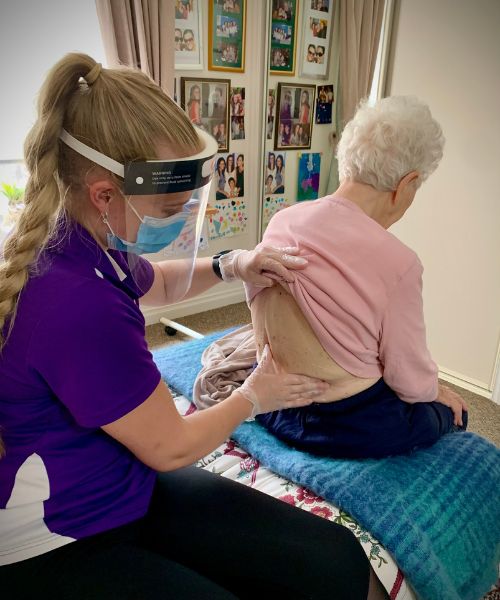
  • In-Home Physical Presence: A skilled Allied Health Assistant (AHA) is physically in the room with you. They provide essential hands-on safety support, help guide your movements, and ensure clear communication between you and the therapist.

By working together in real-time, this team ensures your therapy is just as precise and safe as a traditional clinic visit, without you ever having to leave your house.

Ready to experience the future of home care? HomeLink is ideal for NDIS participants, older adults, or anyone looking for a safer, more frequent, and budget-friendly way to achieve their physical therapy goals.

Contact our team today to see if HomeLink is the right fit for your journey PH: 1300 043 578

We Can’t Help Getting Older – but we can stay stronger for longer

Stronger for longer blog image (1080 x 1080 px) (1500 x 800 px)


Stronger for longer blog image (1080 x 1080 px) (1500 x 800 px)

A message to providers: Why strength matters — and how Empower Healthcare supports your participants to stay strong, safe, and independent

As a provider, you see the impact that ageing, chronic conditions, and reduced mobility can have on the people you support. While ageing is invevitable, with the right support, it’s possible to stay strong, safe, and independent as you age.  Empower Healthcare, we believe that with the right allied health support, participants can maintain, and often regain – strength, confidence, and independence.

Weakness is not simply “part of getting older.” More often, it’s the result of inactivity, pain, poor nutrition, or a lack of targeted support. With early intervention and coordinated care, decline can be slowed, prevented, or even reversed.

Why Preventing Weakness Matters

Loss of strength and balance is one of the biggest contributors to reduced independence. It affects everything from mobility to personal care, household tasks, and community participation.

With the right support, participants can:

  • Improve mobility and functional capacity
  • Reduce falls and hospitalisations
  • Maintain independence for longer
  • Manage chronic conditions more effectively
  • Improve mood, confidence, and overall wellbeing

Ageing is unavoidable — but decline doesn’t have to be.

How Empower Healthcare Clinicians Help Participants Stay Strong

Our multidisciplinary team works across home care, community settings, and aged care facilities to deliver practical, person‑centred support.

Physiotherapists

Provide pain management, mobility training, strength programs, and fall‑prevention strategies tailored to each participant.

Occupational Therapists

Support independence through functional training, adaptive strategies, equipment prescription, and environmental modifications.

Dietitians

Ensure participants receive the nutritional support needed for strength-building, healthy ageing, and chronic disease management — including guidance on protein intake, weight stability, and energy balance.

Allied Health Assistants

Reinforce therapy goals through ongoing, supervised functional and strength‑building programs.

Together, our clinicians create a coordinated plan that helps participants stay strong, safe, and engaged in the activities that matter most.

Our Restorative Care Pathway (RCP): A Structured Approach to Rebuilding Strength

RCP

For participants experiencing functional decline, our Restorative Care Pathway (RCP) provides a structured, evidence‑based program designed to restore mobility, strength, and independence.

The RCP includes:

  • Comprehensive multidisciplinary assessment
  • Goal‑oriented therapy plans
  • Strength, balance, and functional training
  • Regular progress reviews
  • Clear communication with providers and care coordinators

This pathway is ideal for participants who are declining, recovering from illness or injury, or needing a coordinated approach to regain independence.

👉 Read more about the Restorative Care Pathway:
https://www.empowerhealthcare.com.au/restorative-care-pathway/

Personal Alarm Prescription & Assessment Service: Supporting Safety and Confidence

Personal Alarm 1


For participants at risk of falls or living alone, our Personal Alarm Prescription & Assessment Service provides an additional layer of safety.

Our clinicians:

  • Assess the participant’s environment, mobility, and risk factors
  • Recommend the most appropriate personal alarm device
  • Ensure correct setup and usage
  • Support participants to feel confident and secure in their home


This service complements our strength and mobility programs by reducing risk and supporting safe independence.

👉 Learn more about our Personal Alarm Prescription & Assessment Service:
https://www.empowerhealthcare.com.au/personal-alarm-prescription-assessment/

Why Your Referrals Matter

Early allied health intervention can prevent avoidable decline and reduce the need for higher‑level supports. By referring participants to Empower Healthcare, you help them:

  • Maintain independence
  • Improve strength and mobility
  • Reduce falls and hospitalisations
  • Stay engaged in meaningful activities
  • Access coordinated, multidisciplinary care

Your referral can be the turning point that keeps a participant strong, safe, and thriving.

Refer a Participant Today

If you support participants who are:

  • Becoming less mobile
  • Losing strength or balance
  • Recovering from illness or injury
  • Struggling with daily tasks
  • At risk of falls
  • Experiencing poor nutrition or unintentional weight loss
  • Needing structured restorative care
  • Requiring a personal alarm assessment

…our team is ready to help.

Empower Healthcare is committed to delivering high‑quality, person‑centred care that supports long‑term wellbeing. We welcome your referrals and look forward to partnering with you to help participants stay strong and independent.


Referral form 600x400

How Home Care Physiotherapy Reduces Hospital Readmissions

Physio

Hydration Cover (1)

The healthcare landscape has shifted significantly in recent years, with a growing emphasis on innovative, person‑centred solutions that improve outcomes and reduce unnecessary hospital readmissions. One highly effective approach is Physiotherapy delivered in the home, a model of care that brings personalised rehabilitation directly to the person’s doorstep.

This blog explores how home-based Physiotherapy supports recovery, prevents complications, and ultimately reduces the likelihood of hospital readmission.

What Are Hospital Readmissions and Why Do They Happen?

Hospital readmissions occur when a person returns to hospital shortly after being discharged—often within 30 days. These readmissions may result from:

  • Complications after surgery or illness
  • Limited access to follow‑up care
  • Poor mobility or functional decline
  • Inadequate support at home

High readmission rates place strain on healthcare systems and often signal that people are not receiving the ongoing care they need to recover safely.

How Home Care Physiotherapy Helps Reduce Readmissions

Home-based Physiotherapy offers a proactive, accessible, and personalised approach to rehabilitation. By delivering expert care directly to the person’s home, Physiotherapists can address barriers that often contribute to readmission.

  1. Personalised, Goal‑Focused Rehabilitation

Physiotherapy in the home allows clinicians to design tailored treatment plans based on the person’s unique needs, environment, and recovery goals. This personalised approach supports:

  • Better engagement in therapy
  • Improved adherence to exercises
  • Faster functional gains

By working within the person’s actual living environment, Physiotherapists can also recommend practical modifications to enhance safety and independence.

  1. Greater Convenience and Accessibility

Many people face challenges attending clinic appointments due to:

  • Mobility limitations
  • Lack of transport
  • Fatigue or pain
  • Chronic health conditions

Home care Physiotherapy removes these barriers, ensuring consistent treatment. Regular, uninterrupted therapy is a key factor in preventing complications that could lead to hospital readmission.

  1. Early Detection and Prevention of Complications

In-home Physiotherapists can identify early warning signs such as:

  • Declining mobility
  • Increased pain
  • Respiratory issues
  • Falls risk
  • Poor wound healing

By intervening early, clinicians can prevent minor issues from escalating into serious problems requiring hospitalisation. This proactive monitoring is one of the strongest advantages of home-based care.

  1. Education That Empowers the Person and Their Family

Education is a powerful tool in preventing readmissions. During home visits, Physiotherapists can teach:

  • Safe mobility and transfer techniques
  • Effective exercise routines
  • Strategies for managing symptoms
  • How to follow medical advice correctly

Empowering people and their families with knowledge promotes confidence, independence, and better long‑term outcomes.

The Broader Impact on Healthcare Systems

Reducing hospital readmissions benefits not only the individual but also the healthcare system. Fewer readmissions mean:

  • Lower healthcare costs
  • Reduced pressure on hospital beds
  • Improved continuity of care
  • Better overall population health outcomes

Home care Physiotherapy plays a crucial role in achieving these goals by providing high‑quality, person‑centred rehabilitation where it’s needed most.

Home-based Physiotherapy remains one of the most effective ways to reduce hospital readmissions. With personalised care, improved accessibility, timely intervention, and a strong focus on education, mobile Physiotherapists help people recover safely and confidently in the comfort of their own homes.

As healthcare continues to evolve, Physiotherapy delivered at home will remain a vital part of post‑discharge support—promoting independence, wellbeing, and long‑term health.

For those seeking trusted, high‑quality home care, Empower Healthcare Physio provides comprehensive mobile Physiotherapy services designed to support safer, smoother recoveries.

Referral form 600x400

Physio, Osteo and Massage: Different Approaches, Similar Benefits

Physio Osteo EDM Banner


Physio Osteo EDM Banner

When it comes to pain management, rehabilitation, and improving mobility, participants often ask: Do I need a physiotherapist, an osteopath, or a massage therapist? The truth is, while these disciplines have unique techniques and philosophies, they share many overlapping benefits. At Empower Healthcare, we focus on delivering outcomes that matter, whether through physiotherapy, osteopathy, massage therapy, or a combination of services.

Shared Goals Across All Modalities

  • Strength and Mobility Conditioning: All three approaches aim to restore movement and build strength, helping you stay active and independent.
  • Lifestyle and Habitual Changes: Each discipline supports long-term functional goals through education and tailored strategies.
  • Chronic Condition Management: Conditions like arthritis, diabetes, and stroke benefit from improved circulation, pain relief, and movement—all achievable through physio and massage therapy.
  • Falls Prevention and Balance Training: Physiotherapy excels here, and massage complements by improving muscle flexibility and reducing tension.
  • Pain Management: Whether acute or chronic, pain can be addressed through manual therapy, exercise, and soft tissue techniques.

Where They Differ

  • Manual Techniques: Osteopathy often uses joint mobilisations extensively, physiotherapy applies them selectively, and massage focuses on soft tissue work.
  • Collaborative Care: All work well in multidisciplinary settings, with Allied Health Assistants supporting ongoing therapy.

What If We Don’t Offer Osteopathy?

Even if osteopathy isn’t available, physiotherapy combined with massage therapy can deliver many of the same benefits. Our team ensures you receive comprehensive care tailored to your goals—whether that’s pain relief, improved mobility, or recovery after surgery.

Empower Healthcare provide evidence-based physiotherapy, massage therapy, and rehabilitation services that fit your lifestyle. Our experienced team works together to help you achieve the outcomes you want, without unnecessary complexity.

MORE BLOGS

Boosting Strength

Muscle Soreness


Simply click on the image below for our referral form.

Referral form 600x400


 …

Boosting Strength and Health: The power of resistance training for older adults

Blog resistance training image

Blog resistance training image

The decline in muscle mass often begins as early as 30 and can accelerate after 60. Without preventive measures, this can lead to a host of health issues.

Muscle weakness isn’t just about feeling less strong. It’s linked to serious health concerns such as disability, diabetes, cognitive decline, and osteoporosis, and can even increase the risk of early mortality. But there’s good news: resistance training can make a difference!
As we age, our bodies undergo various changes. One of the most significant being sarcopenia or better known as age-related muscle mass loss. Did you know that sarcopenia affects about 10% of adults over 60 and more than 50% of those over 80.


Why Resistance Training?

Current research highlights resistance training as a powerful tool to combat muscle disuse. By incorporating resistance exercises into your routine, you can fight against the loss of muscle strength and mass. This type of training not only helps reduce frailty but also improves physical function in several ways. Enhanced mobility, greater independence, better management of chronic diseases, improved psychological well-being, and a higher overall quality of life are just a few of the benefits.


Tailoring Your Training

To achieve the best results, resistance training programs for older adults should be tailored to be person centered. This personalised approach ensures that the training is safe, effective, and aligned with your specific goals.
For those interested in starting a resistance training program, consulting with an Empower Healthcare Physiotherapists or Osteopaths can be invaluable. Our team can help design a program that meets unique needs and help achieve fitness goals.

References:

Fragala, Maren S.1; Cadore, Eduardo L.2; Dorgo, Sandor3; Izquierdo, Mikel4; Kraemer, William J.5; Peterson, Mark D.6; Ryan, Eric D.7. Resistance Training for Older Adults: Position Statement From the National Strength and Conditioning Association. Journal of Strength and Conditioning Research 33(8):p 2019-2052, August 2019. | DOI: 10.1519/JSC.0000000000003230

 

Client Referral Form Banner 1


Newly created Retention role, meeting client needs.

Debbie M blog banner (1)

Debbie M blog banner (1)

Welcome Debbie to Empower Healthcare: Our New Service Retention Officer

At Empower Healthcare, we are excited to announce the addition of Debbie to our team in the newly created role of Service Retention Officer. This position was established to enhance customer satisfaction by ensuring seamless management of planned and unplanned appointment changes within our Victorian POMA (Physiotherapy, Osteopathy, Massage, and Allied Health Assistance) services.

Enhancing Client Experience with Debbie

Debbie’s warm and personable demeanour on the phone has quickly established a genuine connection with our clients and coordinators, leading to high satisfaction levels. Our commitment to going the extra mile is evident through our personalised approach, where we invest time in finding and offering alternative appointment options whenever our clinicians are unavailable. This dedication truly enhances the client experience and reinforces our commitment to meeting their needs.

Debbie arrived from England many years ago on a one-year holiday visa and decided to make Australia her home. With 25 years of experience running her own sales and marketing businesses, 10 years at QML Pathology QLD, and the last 2 years in a QLD government call centre managing over 350 services, Debbie brings a wealth of knowledge and expertise to the new role.

Impacting Lives Through Continuity of Care

Debbie is passionate about ensuring clients have continuous appointments and do not miss any sessions. She believes in the importance of maintaining the continuity of appointments because of the health-related consequences.

Debbie says,

It’s important to keep the continuity of appointments because our bodies quickly lose muscle memory. By offering alternative appointments with the clinicians they love and have built rapport and relationships with, we help maintain their fitness.

In addition to her professional accomplishments, Debbie holds a degree in Biomedical Science and enjoys reading medical thrillers. She is also busy with her cherished eight grandchildren, ranging from 15 months to 8 yrs old.

At Empower Healthcare, we are dedicated to providing exceptional care and services to our clients. With Debbie on board as our Service Retention Officer, we are confident that we will continue to enhance our clients’ experiences and ensure their needs are met with the utmost care and attention.…

The Rhythm of Recovery with Physiotherapy

Physiotherapy Sisyphys

Physiotherapy Sisyphys

Sisyphus principle of regularity 

In community Physiotherapy, we encounter situations where clients face physical challenges, pain, and limitations. We understand these struggles can be tough — why must someone work hard to regain mobility?

Sisyphus and Rehabilitation:
Sisyphus was condemned to push a boulder uphill only to watch it roll back down, embodying the futile effort of repetition.
In rehabilitation, people often face repetitive exercises, setbacks, and slow progress. Like Sisyphus, they persistently push forward despite the seemingly endless struggle. The Physiotherapist becomes a guide, encouraging the client to find meaning in their efforts, even when progress feels elusive.


Finding Meaning:
Physiotherapists can help clients find meaning in their exercise by:
  • Focusing on small victories: celebrating progress, no matter how minor, gives purpose to each session.
  • Encouraging resilience: acknowledging setbacks but emphasising the importance of persistence.
  • Building connections: connecting on a personal level adds depth to the therapeutic relationship.
  • Creating purposeful routines: structured exercises become meaningful when clients understand their impact on recovery.
Physiotherapy, like Sisyphus’ task, involves repetitive efforts. Yet, by finding purpose in these actions, clients can make meaningful progress.
Empower Physiotherapists play a vital role in navigating the exercise journey, pushing forward despite the challenges.


Reach out today to discuss your clients’ requirements and goals, together we can beat that boulder.


Simply click on the image below for our referral form.

Referral on-boarding now completed online in minutes


When to refer for cardio respiratory Physiotherapy

CARDIO RESPIRATORY PHYSIOTHERAPY banner image

CARDIO RESPIRATORY PHYSIOTHERAPY banner image

Physiotherapists play an important role in managing pulmonary conditions through cardio respiratory Physiotherapy

According to the Lung Foundation, lung disease and cancers are Australia’s second leading cause of death and 1 in 3 Australians will be impacted by a serious lung condition in their lifetime.

Our Physios can help with cardio respiratory Physiotherapy. 

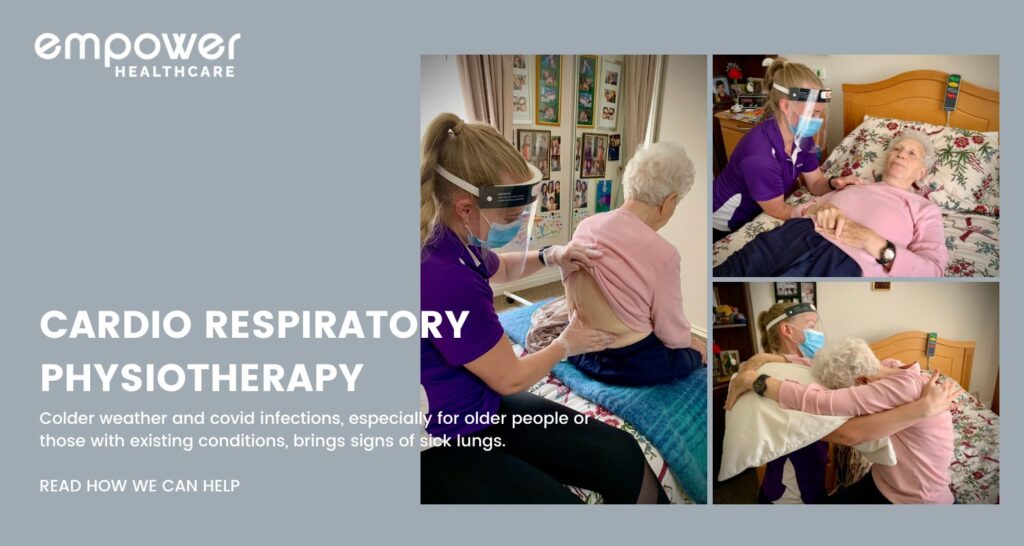
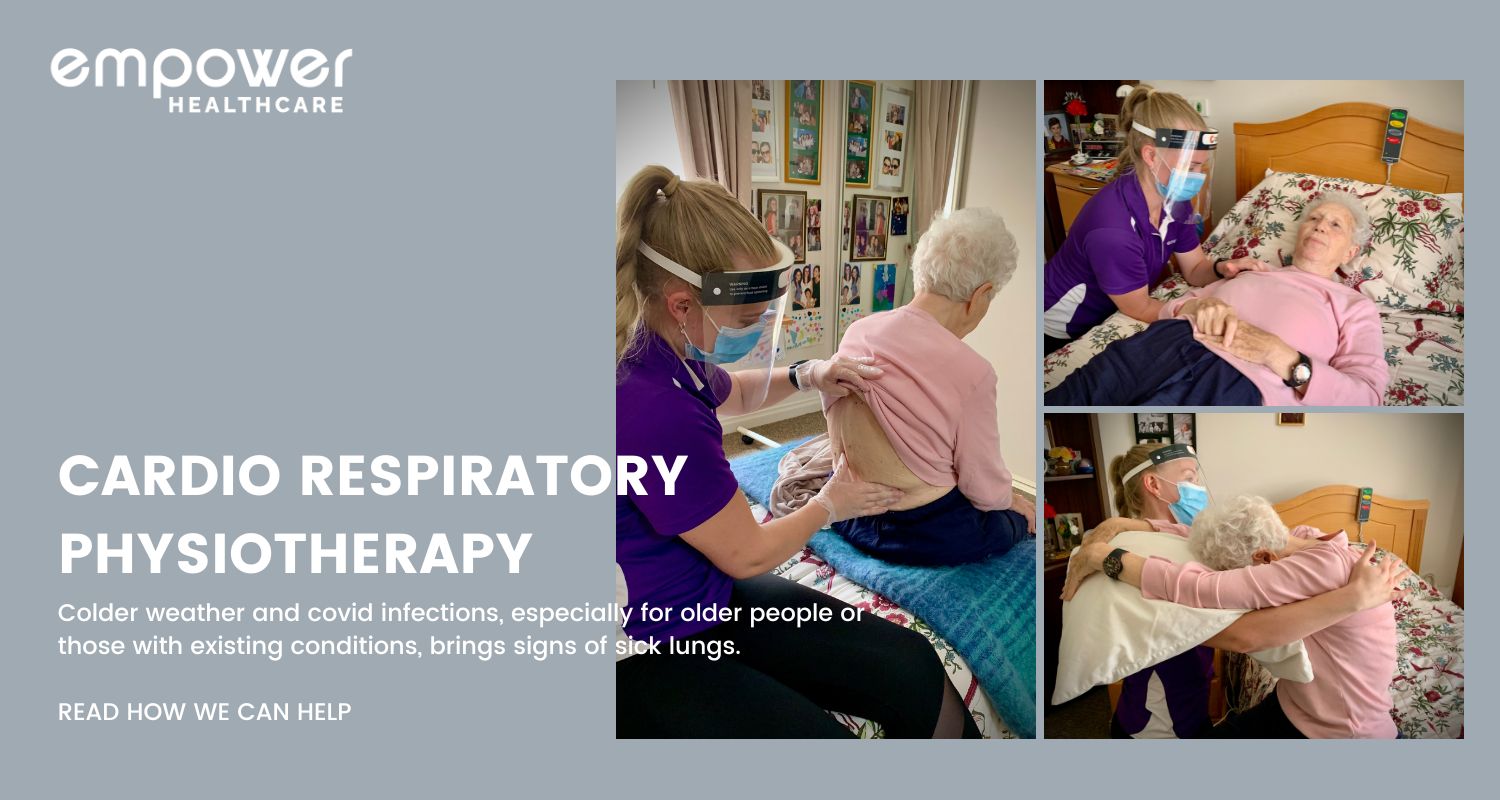
Colder weather and covid infections, especially for older people or those with existing conditions, brings signs of sick lungs which can include;
• Chronic cough  (eight weeks or longer for adults)
• Shortness of breath
• Difficulty breathing
• Increased mucus production
• Pain or tightness in the chest when breathing

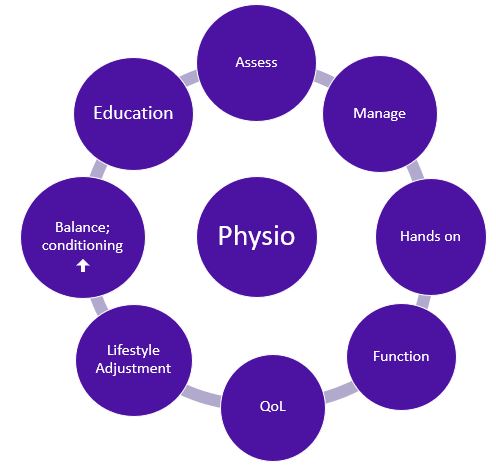
If you notice any of these symptoms refer to our Physios who can help with a process driven assess management approach
• Assess chest and lung function: auscultation, resp rate, resp quality, oxygenation, chest configuration and general health
• Manage acute and chronic conditions
• Provide hands on chest physiotherapy when needed
• Aid return to work and function
• Improve endurance, oxygenation and quality of life
• Assist with managing fatigue
• Develop strategies for living with lung disease, including domiciliary oxygen
• Maintain physical conditioning, balance and strength
• Educate clients, carers and family members about lifestyle modification to improve vitality.

Respiratory Physiotherapy treatments are designed to remove secretions and improve airway clearance and make breathing and functioning easier with aims to;
– Remove secretions
– Decrease work of breathing
– Promote lung expansion.
– Prevent lung collapse.
– Improve respiratory function
– Improve quality of life

Mother nature knows what she is doing by clearing airways and secretions with a good old fashioned cough BUT we can help the cough to be effective or assist when a cough is too weak to clear the chest through;
– ACBT and AD: breathwork combined with positioning.
– Positioning alone for oxygenation and best possible lung function
– Pulmonary Rehab after infection
– Strength and cardiovascular fitness
– Pain management
Physiotherapy aims to holistically improve all the function that our clients have lost through the infection itself, but also from the sequalae of prolonged convalescence and recovery.
Get in touch if you think you or the person you care for would benefit from Respiratory Physiotherapy.

Get Started With Our Home Care & NDIS Services

Simply click on the image below for our referral form.

Referral on-boarding now completed online in minutes

MORE BLOGS

A Physiotherapists top tips for keeping active this Winter

The benefits of Hydrotherapy

A Physiotherapists top tips for keeping active this Winter

Exercising in winter blog IMAGE

As the cold and wet months set in, follow these top tips for keeping active this winter.

Staying active in winter requires a bit more planning but it is vital to avoid losing all the fitness and conditioning you may have gained during the warmer months.

Why is exercising in winter so important?

Consistent activity, especially in the fresh air and sunshine, is a powerful immune boosting way to stave off winter bugs. Keeping our cardiovascular system functioning at its best means we are more able to fight off illness and recover from injuries that are a normal part of life. Lastly, exercising keeps you warmer than a blanket by raising your basal metabolic rate, warming you up from the inside and lasting long after you have stopped moving.


Tips for Enjoyable Winter Workouts

  • Adapt, don’t stop

Perhaps your warm weather, early morning walk with a friend seems impossible when mornings are dark and wet or the idea of a water aerobics class or swim is less appealing when the wind is blowing. Winter may present a great opportunity to shake things up by trying a new exercise class or a different routine. Most important is that you schedule time to prioritise your health and try to have a backup plan if you need to exchange an outdoor walk for an indoor option.

  • “No such thing as bad weather, only the wrong clothes” Billy Connolly

Winter is the perfect time to invest in a good pair of shoes with non-slip grip and the right amount of foot and ankle support. Depending on the latitude, a good quality jacket can make even the coldest days, outside days. Whatever the climate, don’t let the weather hold you hostage. Dressing for the weather makes exercising more enjoyable all year round.

  • Variety is the spice to keep you warm

Have a variety of options, if you prefer to stay indoors on colder days, having a few exercise programs that can be done indoors will help to keep you motivated. Having inside and outdoor options will make exercising possible no matter the weather.

  • Don’t waste a sunny day

When the sun shines, try to get outside. Activity in the sunshine is linked to improved vitamin D levels and helps to reduce low mood linked to the winter months.

  • Warm ups and cool downs

It’s never more important to take your time warming up before and cooling down after exercise than it is when it is cold. Be gentle with your body and take the time to adjust to activity and rest, as quick transitions increase the likelihood of injury.

  • Honourable mention: Some people prefer exercising in winter

For those of us who dislike the warm or have certain heat sensitive health conditions, winter may be the best time to reach those health and fitness goals. Remember that exercise is powerful but slow medicine and increase your activity levels slowly, by about 10% per week. Listen to your body, giving rest and recovery when you feel sore or fatigued.

  • Lastly, be kind to yourself

Some days just don’t work out- be it a matter of the weather, a winter virus or a complete lack of motivation. That’s OK! As long as it doesn’t become a habit, its totally fine to take a break, have a rest or shake things up.

If you or someone you care for is struggling to get moving due to injury, a health condition, age or lifestyle circumstances a physiotherapy assessment may be the doorway to a healthier, stronger life. Physios can design programs and recommend exercises that take the uniqueness of the individual into account, setting realistic and rewarding goals that matter, at any time of the year.


MORE BLOGS

Eating Well On a Budget

The benefits of Hydrotherapy


Get Started With Our Home Care & NDIS Services

Simply click on the image below for our referral form.

Referral on-boarding now completed online in minutes


An innovative approach to delivering Allied Healthcare to remote WA

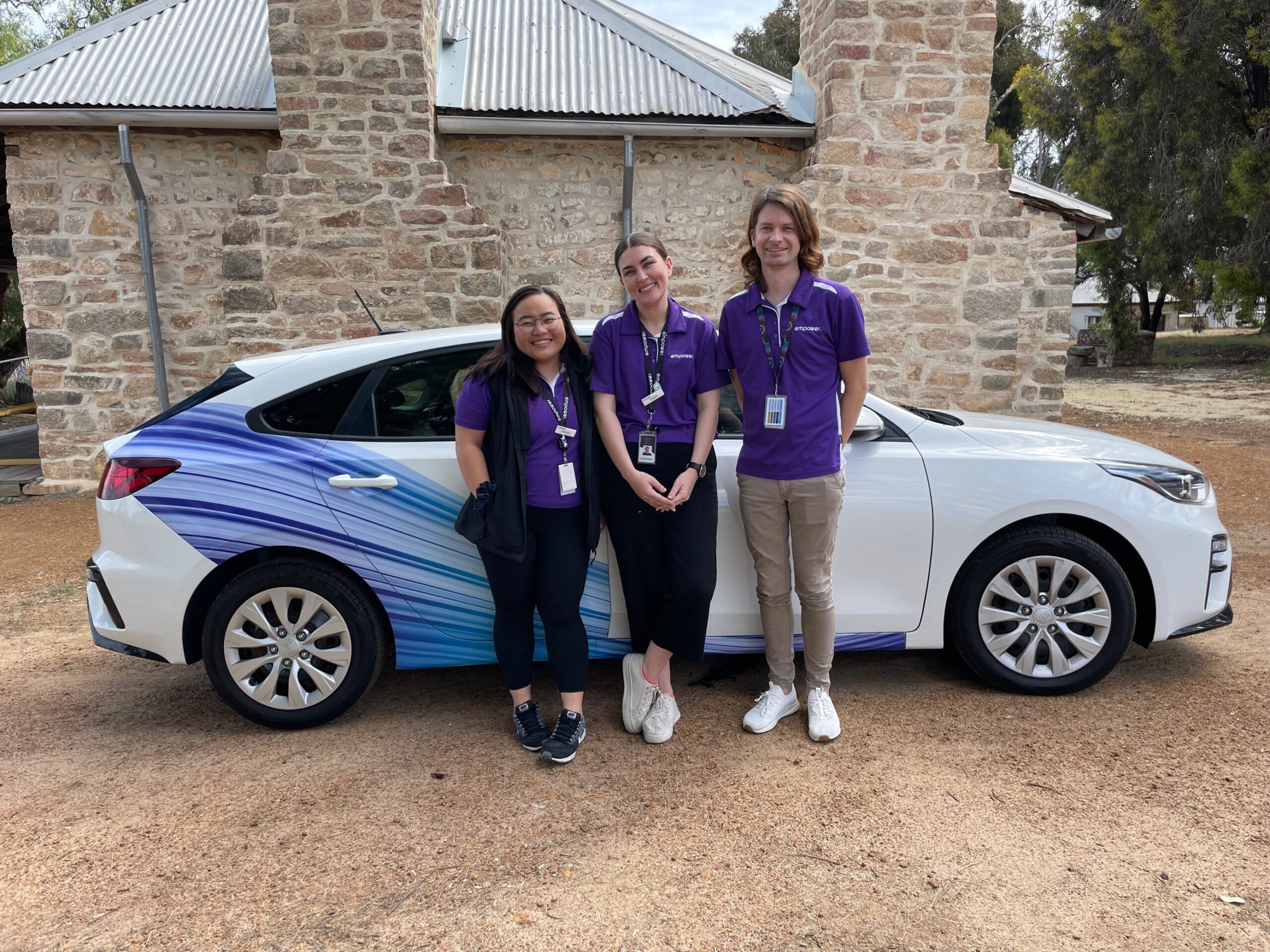
Kojonup road trip images 1 scaled

Kojonup: An innovative approach to delivering Allied Healthcare to remote WA

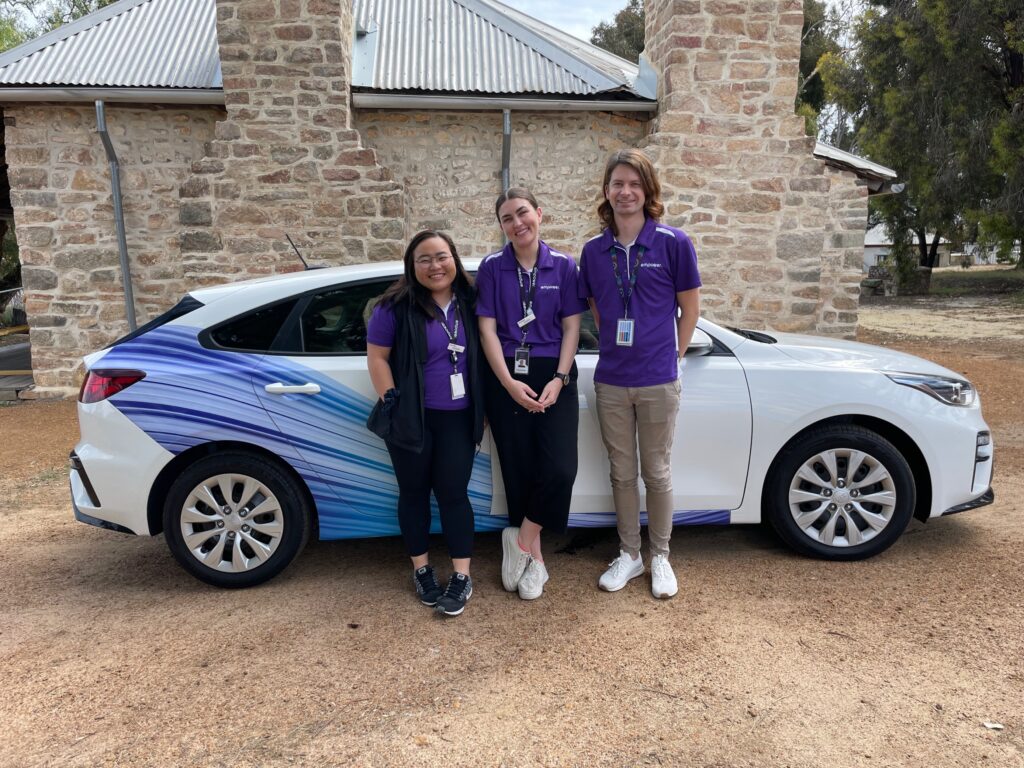
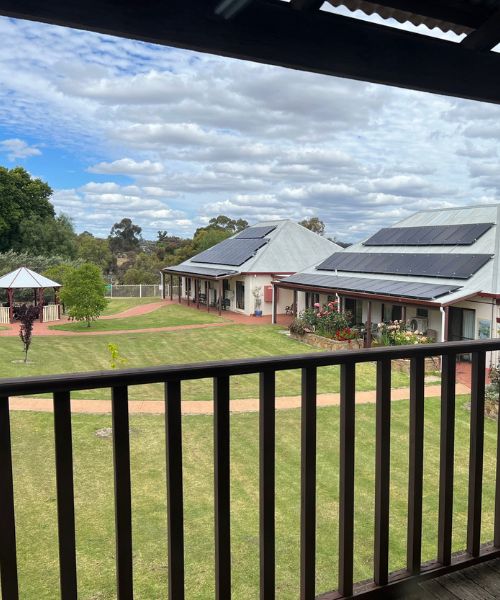
Working together as an integrated team, Empower Healthcare clinicians and Residential Aged Care Facility Springhaven relished the opportunity of in-person collaboration to care for residents despite their remote location.

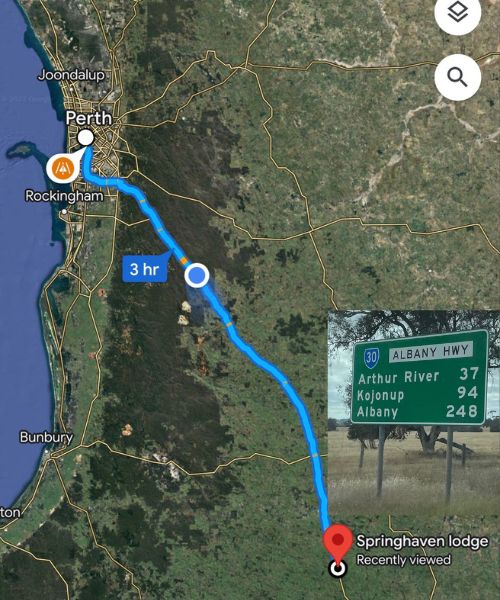
Kojonup is a town situated 250km Southeast of Perth with a population of little over 1000. Therefore it’s not surprising that the town’s only aged care facility struggles to procure Allied Health locally in order to meet compliance and care standards.

In total WA has only 22 Speech Pathologists per 100,000 of population, and nationally and only 17 per 100,000 in remote regions.

With demand far outstripping the number of allied health clinicians in remote and metropolitan WA areas, Springhaven Lodge in Kojonup was one such facility.

Springhaven Lodge contacted Empower Healthcare West Perth office for Dietetic, Speech Pathology and Occupational Therapy services. The challenge of providing these services in the most cost-effective, efficient and sustainable way fell to the team of our Perth based clinicians who understood that an innovative approach to service delivery would be needed.

Empowers interdisciplinary team of Speech Pathologist, Dietitian and OT’s set about developing an understanding of the unique requirements of the facility. They brainstormed the best method of delivering high quality healthcare and the best possible outcomes for the residents and staff. In collaboration with the facility manager, it was decided that a combination of telehealth and in-person assessment, intervention and training was the best approach.

A well planned and outcomes-based trip was organised for the team, who understood that efficiency and efficacy were key when time is limited. During their first day at Springhaven, the clinicians conducted menu audits, individual and process assessments, IDDSI training and implementation and staff training.


Working together as an integrated team, Empower and Springhaven staff relished the opportunity of in-person collaborative care for residents and implementing sustainable interventions and care plans. With ongoing bespoke telehealth and onsite support, Springhaven residents are now receiving the high-quality care they deserve.

We look forward to a building relationship with Springhaven and its residents and bringing this approach to other remote Residential Aged Care facilities in the future.


MORE BLOGS YOU MAY BE INTERESTED IN

Delivering group therapy to RAC

Nutrition and the immune system

More about IDDSI


 …