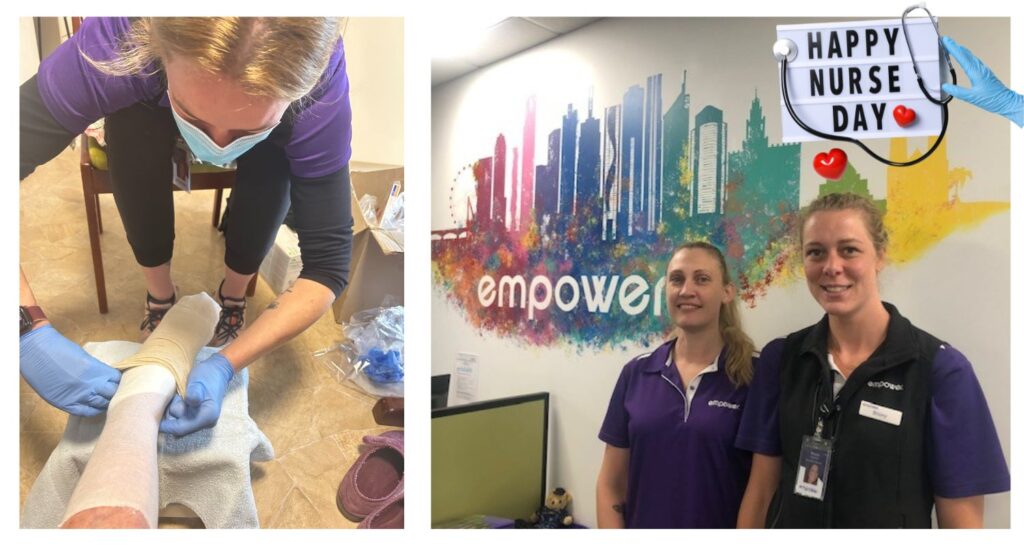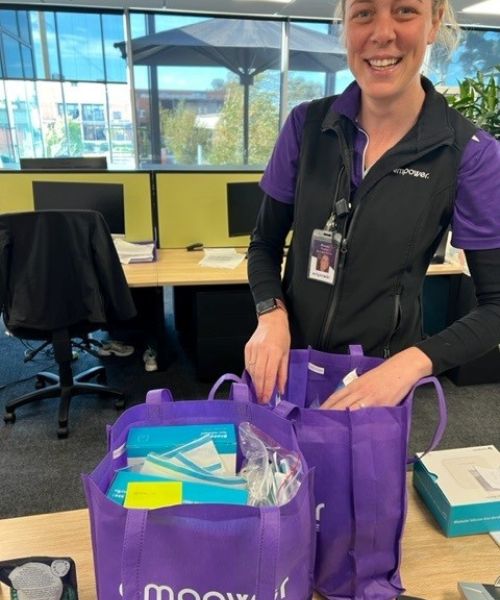
We’re excited to welcome Amanda to Empower Healthcare as our new Relationship Manager – VIC.
Amanda brings over 10 years of experience in the healthcare industry, having worked closely with business partners, the community, GPs, specialists, and various medical physicians. She is passionate about making a meaningful difference in people’s lives and enjoys engaging with a diverse range of groups.
Prior to her career in healthcare, Amanda spent 13 years at Coca Cola Amatil, where she was part of one of the world’s most recognised brands. During her time there, she built lifelong friendships with colleagues and customers.
Now returning to her old “stomping ground” in Moorabbin, Amanda is excited to give back to the community and support aged care participants. She is deeply passionate about building and maintaining strong business relationships and delivering exceptional service. She understands the importance of aligning with her partners’ needs and expectations.
Outside of work, Amanda enjoys boxing, going to the gym, running, cooking, travelling, and spending time with friends and family.
The healthcare landscape has shifted significantly in recent years, with a growing emphasis on innovative, person‑centred solutions that improve outcomes and reduce unnecessary hospital readmissions. One highly effective approach is Physiotherapy delivered in the home, a model of care that brings personalised rehabilitation directly to the person’s doorstep.
This blog explores how home-based Physiotherapy supports recovery, prevents complications, and ultimately reduces the likelihood of hospital readmission.
What Are Hospital Readmissions and Why Do They Happen?
Hospital readmissions occur when a person returns to hospital shortly after being discharged—often within 30 days. These readmissions may result from:
Complications after surgery or illness
Limited access to follow‑up care
Poor mobility or functional decline
Inadequate support at home
High readmission rates place strain on healthcare systems and often signal that people are not receiving the ongoing care they need to recover safely.
How Home Care Physiotherapy Helps Reduce Readmissions
Home-based Physiotherapy offers a proactive, accessible, and personalised approach to rehabilitation. By delivering expert care directly to the person’s home, Physiotherapists can address barriers that often contribute to readmission.
Personalised, Goal‑Focused Rehabilitation
Physiotherapy in the home allows clinicians to design tailored treatment plans based on the person’s unique needs, environment, and recovery goals. This personalised approach supports:
Better engagement in therapy
Improved adherence to exercises
Faster functional gains
By working within the person’s actual living environment, Physiotherapists can also recommend practical modifications to enhance safety and independence.
Greater Convenience and Accessibility
Many people face challenges attending clinic appointments due to:
Mobility limitations
Lack of transport
Fatigue or pain
Chronic health conditions
Home care Physiotherapy removes these barriers, ensuring consistent treatment. Regular, uninterrupted therapy is a key factor in preventing complications that could lead to hospital readmission.
Early Detection and Prevention of Complications
In-home Physiotherapists can identify early warning signs such as:
Declining mobility
Increased pain
Respiratory issues
Falls risk
Poor wound healing
By intervening early, clinicians can prevent minor issues from escalating into serious problems requiring hospitalisation. This proactive monitoring is one of the strongest advantages of home-based care.
Education That Empowers the Person and Their Family
Education is a powerful tool in preventing readmissions. During home visits, Physiotherapists can teach:
Safe mobility and transfer techniques
Effective exercise routines
Strategies for managing symptoms
How to follow medical advice correctly
Empowering people and their families with knowledge promotes confidence, independence, and better long‑term outcomes.
The Broader Impact on Healthcare Systems
Reducing hospital readmissions benefits not only the individual but also the healthcare system. Fewer readmissions mean:
Lower healthcare costs
Reduced pressure on hospital beds
Improved continuity of care
Better overall population health outcomes
Home care Physiotherapy plays a crucial role in achieving these goals by providing high‑quality, person‑centred rehabilitation where it’s needed most.
Home-based Physiotherapy remains one of the most effective ways to reduce hospital readmissions. With personalised care, improved accessibility, timely intervention, and a strong focus on education, mobile Physiotherapists help people recover safely and confidently in the comfort of their own homes.
As healthcare continues to evolve, Physiotherapy delivered at home will remain a vital part of post‑discharge support—promoting independence, wellbeing, and long‑term health.
For those seeking trusted, high‑quality home care, Empower Healthcare Physio provides comprehensive mobile Physiotherapy services designed to support safer, smoother recoveries.
Ten years ago, Empower Healthcare began with a simple but ambitious purpose: to deliver evidence‑informed, person‑centred allied health that genuinely improves independence, function, and quality of life. A decade later, that purpose hasn’t wavered — it has strengthened.
This anniversary isn’t just a marker of time. It’s a celebration of the clinicians who bring expertise and compassion into homes, workplaces, and communities across Australia. It’s a tribute to the individuals and families who have trusted us to walk beside them. And it’s a moment to reflect on the impact that reablement‑focused care can have when delivered consistently, thoughtfully, and with heart.
A Decade of Reablement in Action
For ten years, our clinicians have supported Australians to stay active, independent, and connected. From early intervention to complex care, from aged care to workplace health, our approach has always centred on one question: What will help this person live the life they choose?
Reablement isn’t a buzzword for us — it’s the backbone of our practice. It’s the quiet, steady work of building capability, confidence, and long‑term outcomes. And after a decade of delivering this model at scale, the results speak for themselves: improved function, reduced risk, greater participation, and thousands of stories of people achieving more than they thought possible.
10 Years of Impact: Real People, Real Outcomes
Across metropolitan, regional, and rural communities, our clinicians have supported Australians through:
Restoring mobility and strength after injury or illness
Supporting older adults to remain safely at home
Improving communication, swallowing, and cognitive function
Enhancing wellbeing through tailored exercise and therapy programs
These outcomes aren’t abstract — they’re deeply personal. They’re the moments when someone takes their first independent step after a fall. When a client returns to a beloved hobby. When a family feels supported and informed.
Clinicians at the Heart
Our 10‑year milestone is a tribute to the clinicians who show up every day with professionalism, empathy, and a commitment to best practice. Community‑based allied health is not easy work — it requires adaptability, clinical depth, and the ability to build meaningful relationships in diverse environments.
Over the coming months, we’ll be sharing Clinician Reflections: stories, insights, and moments that have shaped their practice. Because a decade of community care has taught us something important — meaningful outcomes start with meaningful relationships.
Thank You, Australia
For ten years, individuals, families, aged care providers, and community partners have trusted us with their wellbeing. That trust means everything. We’re proud to have walked beside so many Australians, and we’re grateful for every relationship built along the way.
Looking Ahead: The Next Decade of Allied Health
While anniversaries invite reflection, they also spark momentum. The next decade will bring new challenges, new opportunities, and new ways to strengthen capability, innovation, and quality across allied health.
We’re ready for it.
From day one to year ten, our purpose has remained steady: empower independence with evidence‑informed, person‑centred care. And we’re just getting started.
Here’s to the next decade of improving function, confidence, and quality of life across Australia.
Proper hydration is one of the simplest and most effective ways to support overall health and wellbeing. At Empower Healthcare, we work closely with providers and participants to promote healthy habits that enhance daily living and drinking enough water is at the top of that list.
Whether you’re heading out for a walk, participating in therapy sessions, or simply going about your day, maintaining adequate hydration helps your body function at its best.
🌟 How Much Water Do You Really Need?
Most people have heard the advice to drink 2 litres of water a day, but hydration needs vary widely. Water makes up around 70% of our body weight and plays a role in nearly every bodily function—from regulating temperature to supporting digestion and cognitive performance.
Your ideal water intake depends on several factors:
Body weight
Activity level
Climate and temperature
Lean body mass
Age and gender
Because lean body mass (muscles, organs, bones) contains more water than fat mass, individuals with higher muscle mass—typically men—require more water. As we age, lean body mass naturally decreases, which means older adults generally need slightly less water but must be more mindful about staying hydrated.
👵 Hydration and Ageing: Why Older Adults Need to Pay Extra Attention
As people age, the body’s natural thirst response becomes less reliable. This means older adults may not feel thirsty even when their body needs fluids. Combined with reduced lean body mass, this can increase the risk of dehydration.
Encouraging regular water intake is essential for:
Supporting cognitive function
Maintaining energy levels
Preventing dizziness and falls
Supporting digestion and kidney function
Providers and carers can play a key role in prompting and supporting hydration throughout the day.
🚰 How to Tell If You’re Hydrated
A simple and effective way to monitor hydration is by checking urine colour:
Pale yellow or clear → well hydrated
Dark yellow → your body needs more water
Even mild dehydration can affect mood, concentration, coordination, and physical performance. Hydration isn’t about drinking large amounts at once—it’s about sipping consistently throughout the day.
💡 Practical Hydration Tips for Everyday Life
Supporting good hydration habits doesn’t need to be complicated. These simple strategies can make a big difference:
Keep a water bottle nearby—on the couch, in the car, or during appointments.
Set reminders on your phone or use a hydration tracking app.
Drink a glass of water when you wake up and before meals.
Add lemon, mint, or berries to make water more appealing.
Place visual cues around the home to encourage regular drinking.
During exercise, aim to drink regularly to stay hydrated. The American Council on Exercise recommends drinking 500–600 ml of water 2–3 hours before exercise, followed by 200–300 ml every 10–20 minutes depending on sweat rate.*
⚠️ Can You Drink Too Much Water?
While rare, drinking excessive amounts of water in a short period can overwhelm the kidneys and dilute the blood. This is uncommon and usually only occurs when consuming several litres rapidly.
The safest approach is steady, balanced hydration throughout the day. If you feel thirsty, your body is signalling a need—responding promptly helps maintain optimal function.
🍹 Foods and Drinks That Can Increase Dehydration
Some foods and beverages can contribute to fluid loss or increased thirst:
Alcohol
Caffeinated drinks (coffee, tea, energy drinks)
High‑salt foods such as chips, processed meats, and salted nuts
High‑sugar drinks like soft drinks and fruit juices
These items bind to water in the body or increase urination, making it harder to stay hydrated. Enjoy them in moderation and balance them with plenty of water.
🌈 Small Habits, Big Impact
Staying hydrated supports physical health, mental clarity, mobility, and overall wellbeing. For participants and providers alike, prioritising hydration is a simple step that leads to meaningful improvements in daily life.
So fill up your water bottle and make hydration part of your routine—your body and mind will thank you for it.
Restorative Care Goal Plans Through Purposeful Nursing Support
At Empower, our nursing team is committed to delivering care that not only supports participants in the moment but strengthens their ability to thrive long-term.
As part of this commitment, our nurses are available to provide comprehensive assessments and nursing goal planning under Restorative Care Program (RCP) funding. If you believe this support may be beneficial, please contact our team, and we will work with you to determine how we can best implement this for you.
🌿 Why Goal Planning Matters in Restorative Care
Creating a goal plan is a cornerstone of the Restorative Care Pathway. Unlike traditional care plans, which often focus on managing existing needs, restorative care goal plans are designed to help participants maintain or regain function, build confidence, and prevent decline wherever possible.
This approach shifts the focus from “what support is needed today” to “what outcomes are possible over the next 16 weeks” a subtle but powerful change that places the participant’s aspirations at the centre of every decision.
🤝 A Collaborative, Person‑Centred Process
As restorative care partners, our nurses work closely with each participant and their multidisciplinary team to develop a clear, achievable set of goals. This collaborative process includes:
Comprehensive nursing assessments to understand current strengths, challenges, and functional capacity
Meaningful conversations that explore what matters most to the participant
Input from allied health professionals to ensure goals are clinically sound and holistically supported
A structured 16‑week timeframe that keeps progress focused and measurable
The result is a personalised roadmap that outlines not only the goals themselves but also the services, supports, and strategies required to achieve them.
📝 Replacing the Traditional Care Plan – With Purpose
While the goal plan replaces the traditional care plan, it still includes all the essential elements needed to deliver safe, effective, person centred care. What makes it different is its forward looking design. Instead of simply documenting care tasks, the goal plan:
Identifies functional goals that are meaningful and achievable
Details the interventions required to support progress
Encourages active participation and self‑management
Promotes collaboration across the care team
Provides a clear structure for reviewing and celebrating progress
This approach empowers participants to take an active role in their own wellbeing, supported by a nursing team that understands their goals and is committed to helping them succeed.
🌟 Empower’s Commitment to Restorative Care
Our comprehensive assessments and goal planning under RCP funding reflects our dedication to continuous improvement and innovation in community nursing. By embedding restorative principles into our everyday practice, we’re helping participants build resilience, independence, and quality of life.
Restorative care isn’t just a model, it’s a mindset. And at Empower, it’s one we’re proud to champion – please speak to our team or refer now.
Good nutrition is one of the strongest foundations for maintaining health, independence, and quality of life — especially for people receiving home care. Meal delivery services can be incredibly helpful, but only when they’re safe, appropriate, and tailored to the individual.
Before any meal service is approved or continued, Dietitians conduct a full Initial Assessment to ensure the service aligns with the participant’s medical needs, cultural preferences, and personal goals.
This helps prevent:
Malnutrition and unintentional weight loss
Poor management of chronic conditions
Muscle loss and increased fall risk
Declining independence
Unsafe or unsuitable meal choices
🧡 What the Initial Assessment Covers
1. Building Trust & Understanding
Dietitians create a safe, respectful environment and explore:
Letters of support
They also collaborate with GPs, Speech Pathologists, meal providers, and family members.
🔄 Ongoing Reviews: Staying on Track
A 12‑week review is recommended after starting a meal delivery service, with earlier check‑ins for higher‑risk clients. These reviews help identify:
Inconsistent meal use
Taste or texture issues
Unmet clinical needs
Lack of progress toward goals
Adjustments can then be made to ensure the service continues to support health and wellbeing.
💬 Final Thoughts
Meal delivery services should offer more than convenience — they should actively support a person’s health, dignity, and independence. Empower Healthcare’s Dietitians ensure every recommendation is personalised, clinically justified, and aligned with what matters most to the participant.
The holiday season is a time for joy, connection, and delicious food. But when preparing meals for our elderly and disabled, it’s important to balance nutrition, accessibility, and festive flair.
These festive recipes are dietitian‑approved, ensuring they’re nutritious, safe, and suitable for aged care and NDIS participants. They balance taste with accessibility, so you can celebrate with confidence
🥗 Light & Fresh Christmas Options
Festive Fruit Skewers
Thread soft fruits like strawberries, kiwi, melon, and banana onto skewers. Add a sprinkle of cinnamon or a drizzle of yogurt for a holiday touch.
Christmas Caprese Wreath
Arrange cherry tomatoes, bocconcini, and basil leaves in a circle to resemble a wreath. Drizzle with olive oil and balsamic glaze for a festive look.
🍲 Warm & Comforting Holiday Foods
Cauliflower & Leek Soup
Smooth, creamy, and easy to swallow. Serve in small mugs with a sprinkle of nutmeg for Christmas warmth.
Microwave Scrambled Eggs with Herbs
Quick to prepare, soft in texture, and festive when topped with parsley or chives.
🍴 Easy Finger Foods for Christmas Parties
Mini Turkey & Cranberry Wraps
Use soft tortillas, spread with cranberry sauce, add sliced turkey, and roll into bite‑sized pinwheels.
Deviled Eggs with Herbs
A protein‑rich snack that’s soft and easy to eat, decorated with paprika or parsley for holiday colour.
🍬 Sweet Treats for Inclusive Celebrations
Candy Cane Brownies (Lightened‑Up)
Made with wholemeal flour and reduced sugar, cut into small squares and decorated with crushed peppermint.
No‑Bake Yogurt Parfaits
Layer Greek yogurt, soft fruit, and crushed gingerbread cookies in clear cups. Easy to assemble and fun to decorate.
🎄 Tips for Aged Care & Disability-Friendly Recipes
Texture modification: Smooth soups, soft fruits, and purees support those with swallowing difficulties.
Low‑prep options: No‑bake or microwave recipes reduce complexity and risk.
Festive presentation: Simple garnishes like herbs, cinnamon, and colourful fruits make meals feel special.
Inclusive cooking: Encourage participation in safe steps like stirring, layering, or decorating to add joy and engagement.
✨ These recipes balance nutrition, ease of preparation, and festive fun, making them ideal for aged care facilities, NDIS participants, and disability‑friendly Christmas celebrations.
We’re excited to welcome Rhiannon to the team as our new Relationship Manager in Queensland!
With over 15 years of experience in the aged care industry, Rhiannon brings a wealth of knowledge and a deep understanding of the challenges and opportunities within the sector. Throughout her career, she has worked across a variety of roles, always with one clear focus: supporting participants to achieve the best possible outcomes.
Passionate about people
Rhiannon thrives on building strong, meaningful relationships. She believes:
Listening, understanding, and working collaboratively are the keys to ensuring clients feel supported and empowered.
Her dedication to helping others is at the heart of everything she does. When she’s not working alongside clients, you’ll find Rhiannon: Camping with family and friends under the stars, indulging in her love of chocolate (sometimes a little too much!), chasing sunset views wherever she can find them
Her balance of professional expertise and personal warmth makes her a wonderful addition to our team.
As Relationship Manager, Rhiannon is eager to connect with providers across Queensland, strengthen partnerships, and continue driving positive outcomes. We’re thrilled to have her on board and can’t wait to see the impact she’ll make.
When it comes to pain management, rehabilitation, and improving mobility, participants often ask: Do I need a physiotherapist, an osteopath, or a massage therapist? The truth is, while these disciplines have unique techniques and philosophies, they share many overlapping benefits. At Empower Healthcare, we focus on delivering outcomes that matter, whether through physiotherapy, osteopathy, massage therapy, or a combination of services.
Shared Goals Across All Modalities
Strength and Mobility Conditioning: All three approaches aim to restore movement and build strength, helping you stay active and independent.
Lifestyle and Habitual Changes: Each discipline supports long-term functional goals through education and tailored strategies.
Chronic Condition Management: Conditions like arthritis, diabetes, and stroke benefit from improved circulation, pain relief, and movement—all achievable through physio and massage therapy.
Falls Prevention and Balance Training: Physiotherapy excels here, and massage complements by improving muscle flexibility and reducing tension.
Pain Management: Whether acute or chronic, pain can be addressed through manual therapy, exercise, and soft tissue techniques.
Where They Differ
Manual Techniques: Osteopathy often uses joint mobilisations extensively, physiotherapy applies them selectively, and massage focuses on soft tissue work.
Collaborative Care: All work well in multidisciplinary settings, with Allied Health Assistants supporting ongoing therapy.
What If We Don’t Offer Osteopathy?
Even if osteopathy isn’t available, physiotherapy combined with massage therapy can deliver many of the same benefits. Our team ensures you receive comprehensive care tailored to your goals—whether that’s pain relief, improved mobility, or recovery after surgery.
Empower Healthcare provide evidence-based physiotherapy, massage therapy, and rehabilitation services that fit your lifestyle. Our experienced team works together to help you achieve the outcomes you want, without unnecessary complexity.
In healthcare, scope of clinical practice refers to the specific roles, responsibilities, and clinical activities that a healthcare professional is educated, competent, and authorised to perform.
At Empower Healthcare, we ensure that every team member from physiotherapists to nurses operate within their defined scope to deliver safe, effective, and evidence-based care.
This scope is tailored to each professional based on their:
Clinical skills and knowledge
Professional registration (where applicable)
Performance and experience
Suitability for specific clinical tasks
Why Is Scope of Practice Important?
Working within scope is essential to:
Ensure participant safety
Maintain legal and ethical standards
Deliver high-quality, evidence-based care
Just as you wouldn’t ask a vet to fix your car, each allied health discipline has its own specialised training and purpose. Understanding these differences helps providers and participants make informed decisions about care.
Common Misconceptions About Allied Health Roles
Let’s break down some of the most common misunderstandings about the roles of different healthcare professionals.
Physiotherapy vs Remedial Massage
Physiotherapists are trained to assess, diagnose, and treat a wide range of conditions, including:
Musculoskeletal injuries
Neurological disorders
Cardiorespiratory conditions
They use a combination of exercise prescription, mobility training, and manual therapy to promote recovery and prevent further injury.
Remedial Massage Therapists, on the other hand, focus on soft tissue manipulation to relieve muscle tension, improve circulation, and support relaxation. While they don’t diagnose or prescribe exercise programs, their work complements physiotherapy by providing immediate relief and enhancing muscle health.
At Empower Healthcare, our Physiotherapy and Remedial Massage services often work hand-in-hand to support holistic recovery.
Occupational Therapy vs Physiotherapy
Occupational Therapists (OTs) help individuals participate in daily activities, whether it’s self-care, work, or leisure. They are proficient in:
Physiotherapists, while also focused on mobility and function, are trained in gait aid prescription and physical rehabilitation. They assess balance, strength, and mobility to recommend appropriate walking aids.
At Empower, our Occupational Therapy and Physiotherapy teams collaborate closely, referring clients to each other when specialised input is needed.
Other Empower Healthcare Services
In addition to the services above, Empower Healthcare offers:
Nursing – Medication management, Wound care, Diabetes and catheter management, Stoma care and pressure injury prevention
Podiatry – Foot health assessments, diabetic foot care, and orthotic prescription
Dietetics – Nutritional support for chronic conditions, weight management, and aged care
Osteopathy – Treat structural and functional integrity of the human body, focusing on musculoskeletal system
Speech Pathology – Communication and swallowing assessments and therapy
Wellness Programs – Group and individual programs to support dementia, physical and mental wellbeing
Each service is delivered by qualified professionals working within their defined scope to ensure the highest standard of care.
Stay in Your (Scope) Lane
Understanding the differences between allied health roles empowers participants to make informed decisions and ensures they receive the most appropriate care. We can also provide clinician bios so you can get to know your clinician. At Empower Healthcare, we’re committed to collaborative, multidisciplinary care that respects each professional’s scope of practice.
Downie S, Walsh J, Kirk-Brown A, Haines TP. (2023). How can scope of practice be described and conceptualised in medical and health professions? Int J Health Plann Mgmt.