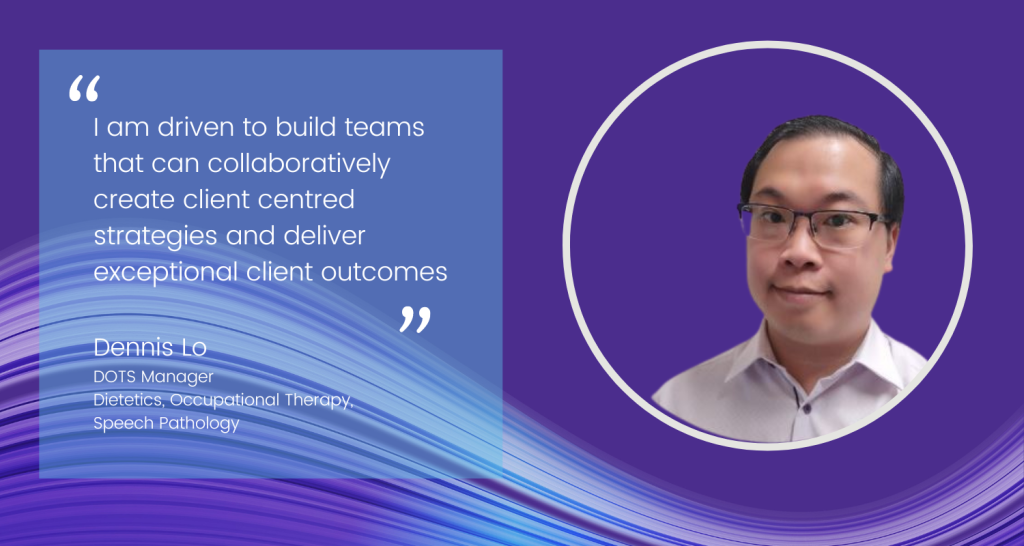
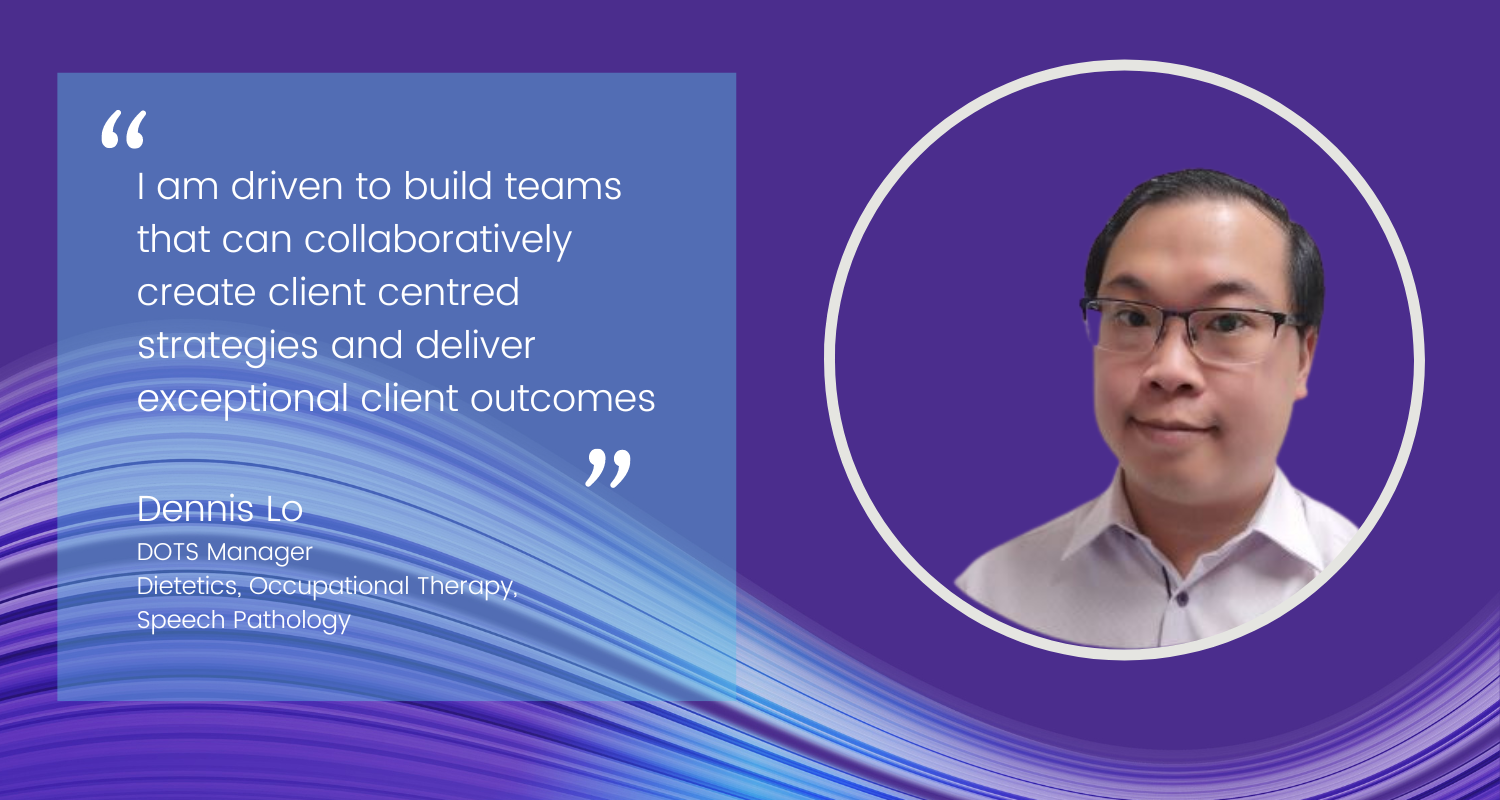
Welcome strategically minded Dennis Lo –
Dietetic, Occupational Therapy & Speech Pathology Manager
With a proven track record of driving operational excellence and clinical governance, Dennis has a passion for building high-performing teams with a focus on gaining positive outcomes within the rehabilitation, and disability sectors.
As a Speech Pathologist and Associate Fellow of the Australasian College of Health Service Management, Dennis has extensive experience in clinical leadership and assistive technology from NSW Health, Independent Living Centre Tasmania and LifeTec Australia.
Experienced Speech Pathologist and Manager Dennis’s desire to empower individuals to reach their communication potential is the ideal fit for our Dietetic, Occupational Therapy and Speech Pathology teams and the people they care for.
Witnessing the profound impact communication has on a person’s life motivates me to build teams that can collaboratively create client centred strategies and deliver exceptional client outcomes
Supported by Dennis his team will feel valued and empowered. They will be equipped to contribute their unique skills and experience with collaboration being central to achieving exceptional care and making meaningful differences in the lives of the people they care for.
Outside of work you will find him engrossed in strategic board games, always on the lookout for the next challenge and to find innovative solutions that make a real difference – which is perfectly aligned with his work ethic.
Get Started With Our Home Care & NDIS Services
Simply click on the image below for our referral form.
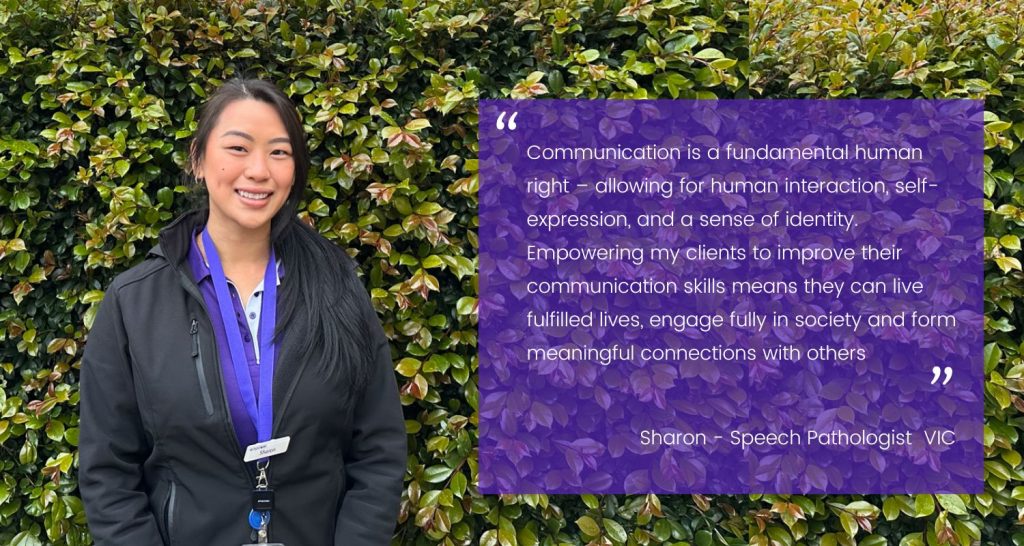
Passionate Speech Pathologist enjoys new challenges and assisting clients in the community.
Sharon joined Empower Healthcare to focus on working with adults and guiding students on placement, aligning with her career aspirations.
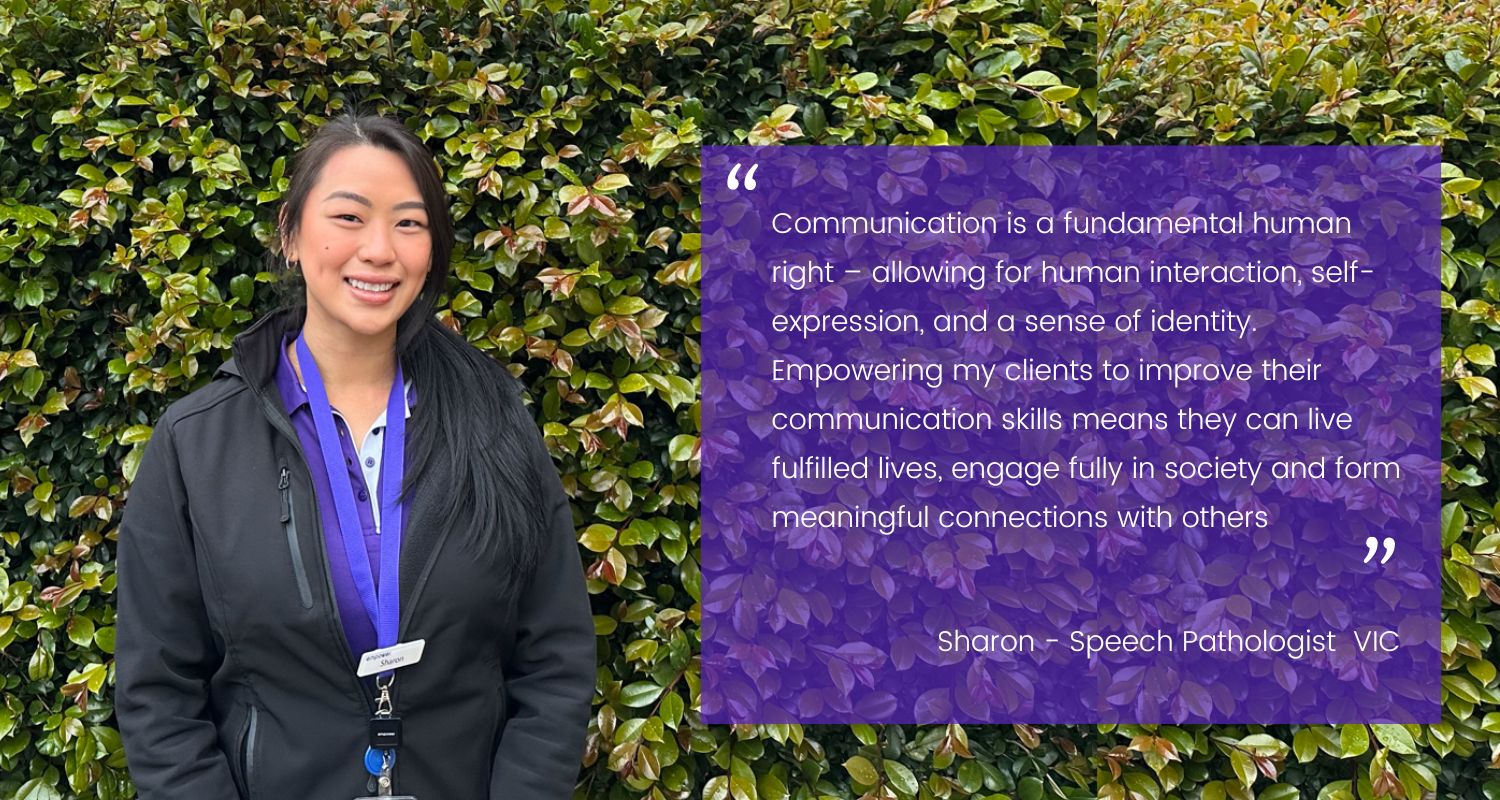
Her daily work is driven by the belief that communication is a fundamental human right, enabling interaction, self-expression, and identity.
The gratitude and positive feedback she receives from clients inspire and affirm the significant impact she is making on people’s lives.
Sharon works with Home Care and NDIS clients in Victoria’s North and West. Her scope of practice includes working with adults with neurological conditions and swallowing and communication disorders. Sharon empowers clients to improve their communication skills to help them actively engage in society to form meaningful connections.
Outside of work she prioritises physical and mental well-being by dedicating time to strength training and relaxing in an infrared sauna post-workout. Meditation is also essential to her to help find tranquility and mental clarity amidst a busy schedule. She is always eager to explore new ways to enhance overall well-being for both herself and the people she cares for.
Get Started With Our Home Care & NDIS Services
Simply click on the image below for our referral form.
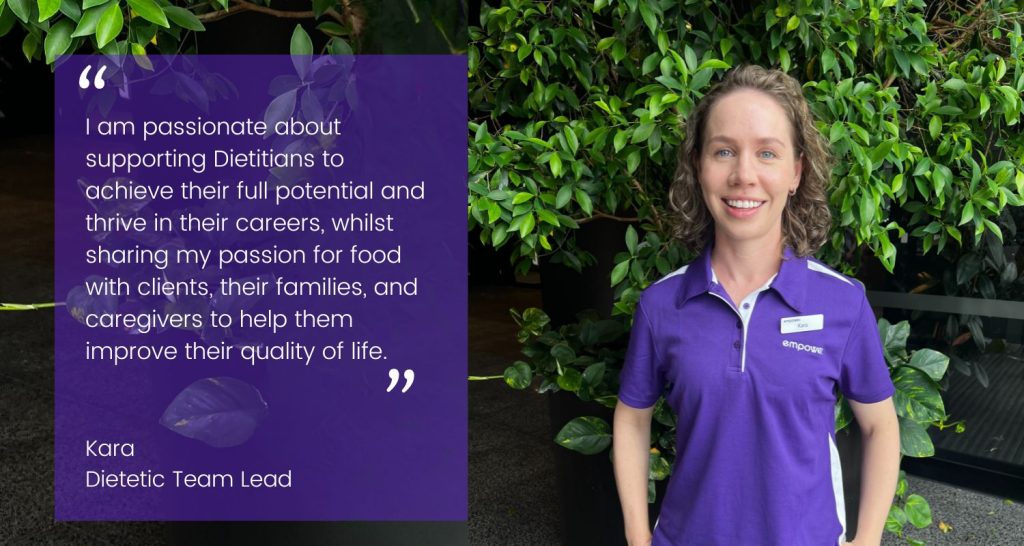
Meet Kara: A Dedicated Dietetic Professional and Advocate
Kara is professional and passionate about nutrition; she is an active advocate for the dietetic profession and enjoys supporting Dietitians to realise their full potential to thrive in their careers.
She has gained a range valuable experience working with the elderly in residential aged care, rehabilitation settings, and in-home care in various settings working with Peninsula Health, Monash Health and Alfred Health
Kara recognises the importance of meeting people at their most vulnerable times and provides person-centred and individualized care that can improve their quality of life.
I am also passionate about supporting Dietitians to achieve their full potential and thrive in their careers. Sharing my passion for food with clients, their families, and caregivers is one of the most rewarding aspects of my work.
When Kara is not working, she enjoys traveling with her family and discovering new places and foods with their favourite destination being Vietnam.
Kara will be the Dietetic Team Lead and will be seeing clients in South East Victoria. Welcome Kara.
Get Started With Our Home Care & NDIS Services
Simply click on the image below for our referral form.
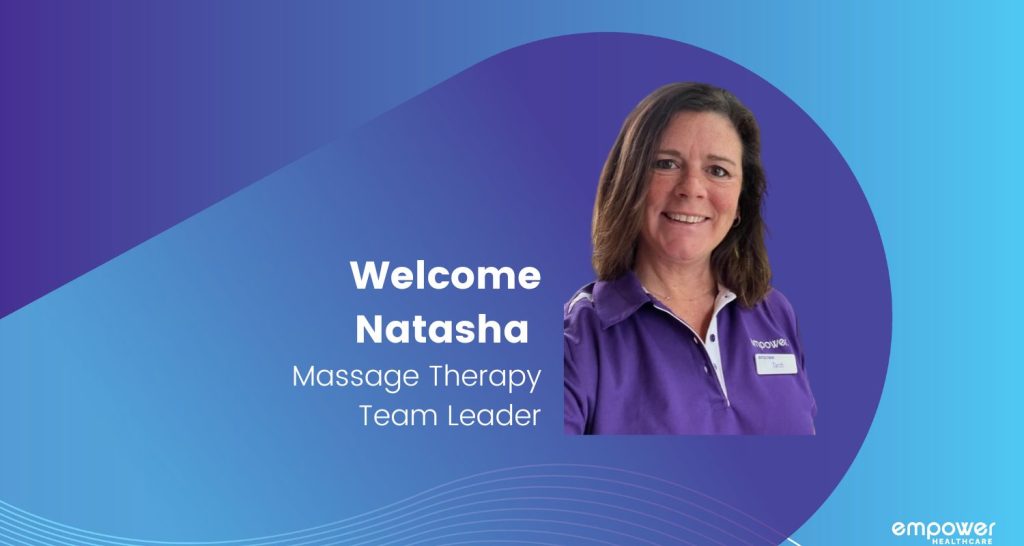
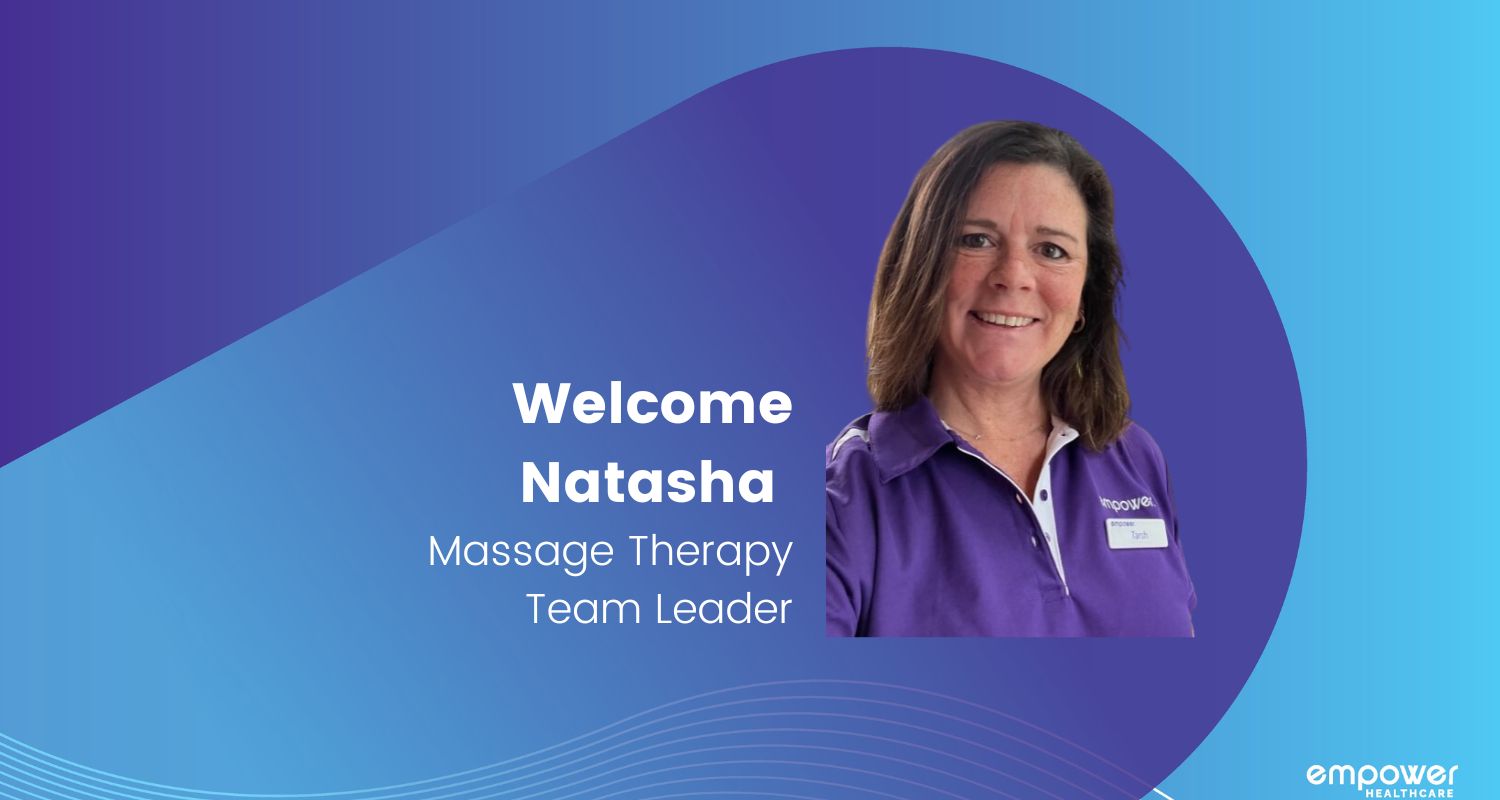
Natasha has been a practising Massage and Myotherapist for the past 12 years. She has worked with a lifespan of clients helping them improve their health, to live their best life. Natasha has a passion for leading dynamic teams to achieve optimal outcomes for clients and their families and is looking forward to leading the Victorian Massage Therapy team to achieve great things.
Natasha has spent numerous years working with Commonwealth and Olympic athletes on injury prevention, treatments, and rehabilitation programs. Travelling both within Australia and overseas leading teams of clinical staff in various settings has given her great insight into the importance and many aspects of Olympic level teamwork.
One of the most rewarding roles she has had to date was symptom managing palliative and aged care clients with terminal illnesses. Natasha led a team of 16 clinicians across four disciplines in Massage, Occupational Therapy, Music Therapy, MND Family support work. The interdisciplinary nature and collegiality of the work was both motivating and made going to work each day a joy for her.
Treating clients specifically for symptom management brings rewards to not only the client, but their loved ones who are so grateful for the care. I am passionate about leading and working with a team to create great outcomes for clients and their families and friends.
Natasha enjoys a work life balance, continuing to upgrade her industry knowledge, keeping fit at the gym, following live music events and spending time with her two Cavoodles, Chai and Murphy.
Get Started With Our Home Care & NDIS Services
Simply click on the image below for our referral form.
Welcome Kate to the NSW Relationship Manager role. Kate’s background in aged care brings insight into the changes we can make in people’s lives through person centred individual care.
Kate’s recent aged care experience as a strategic Account Manager for Allianz Partners – Home & Lifecare division provides a strong foundation to achieve the best outcome for clients and the people they care for through communication, honesty, and respect.
I value each relationship and strive to understand every client’s individual needs, and the results they desire. A commitment to each partnership is the focus every day.
With a strong ethos to make a difference, Kate looks forward to working with Empower Healthcare to change lives in a meaningful way and being part of the team and the NSW community to make this happen.
In her free time Kate has a passion for travel having visited all seven continents – don’t ask her for a favourite! She also enjoys theatre, reading, watching documentaries, and visiting Sunday food markets.
Welcome to the team Kate.
Get Started With Our Home Care & NDIS Services
Simply click on the image below for our referral form.
Dietitian Meg eats, sleeps, and dreams healthy eating
Meg qualified as a Dietitian in Queensland and moved to Melbourne to pursue her passion for food. She spends her spare time visiting markets, trying new cuisines and exploring the incredible food offering. Meg eats, sleeps, and dreams healthy eating and having suffered her own gut health problems for ten years she has a special interest in gut health.
Gut health issues require specialised recipes to suit the gut health requirements but more specifically focusing on how to change a diet whilst maintaining a healthy variety of nutrients. Meg enjoys helping people alter their favourite recipes and meals to suit their own gut health requirements whilst still enjoying their favourite foods.
Working as a Community Dietitian offers variety because each client is different. They have their own unique goals, challenges and lifestyles, and the solutions are not a one-size fits all approach. Meg and all Empower dietitians take the time to sit and listen to clients about their needs and wants when it comes to nutritional support, offering a unique person-centred approach.
Meg says
Working in the community provides a rare opportunity to see someone’s living conditions whilst taking their diet history. This helps tailor any recommendations to ensure they are suited to their current living environment.
Empower Dietitians improve the independence and quality of life of our clients by providing reliable and trusted food and nutritional support to live their lives the way they want.
Let Us Help You with Your Dietetics Needs
As a registered NDIS provider with experience in the assessment & treatment of a variety of conditions and strong partnerships with leading equipment and home modification providers, we can facilitate all your allied health needs provisioned under the NDIS.
We assist NDIS participants from 15 onwards.
Our convenient, NDIS services range from provide clients with high quality occupational therapy, physiotherapy, podiatry, and dietetics, and in the comfort of their own environment including timely and effective communication to support the administration of your clients’ funds.
We want your participants to experience the best allied health services, and stay independent, happy, healthy in their own home.
Our NDIS Dietitians Help With Wellbeing
Our team of experienced NDIS dietitians provide diet advice to improve health and manage specific conditions with weight loss or gain, difficulty in eating food and managing food allergies.
Here’s how our NDIS dietitians help with wellbeing:
Improve overall health and mental happiness
Education around good food choices
Introduce tasty and nutritious meal ideas for fussy eaters
Reduce mealtime stress and create positive experiences
Improve gut health, manage appetite and weight problems
Our NDIS dietitian offers everything a mainstream dietitian does, plus a whole lot more, such as:
Supporting diets for people who experience difficulties with chewing and swallowing
Fussy eating or resistant/picky eating
Excessive weight gain which impacts physical or social function
Stressful mealtimes and other mealtime challenges such as food refusal, not coming to the table, eating with distractions or avoidance to eat socially
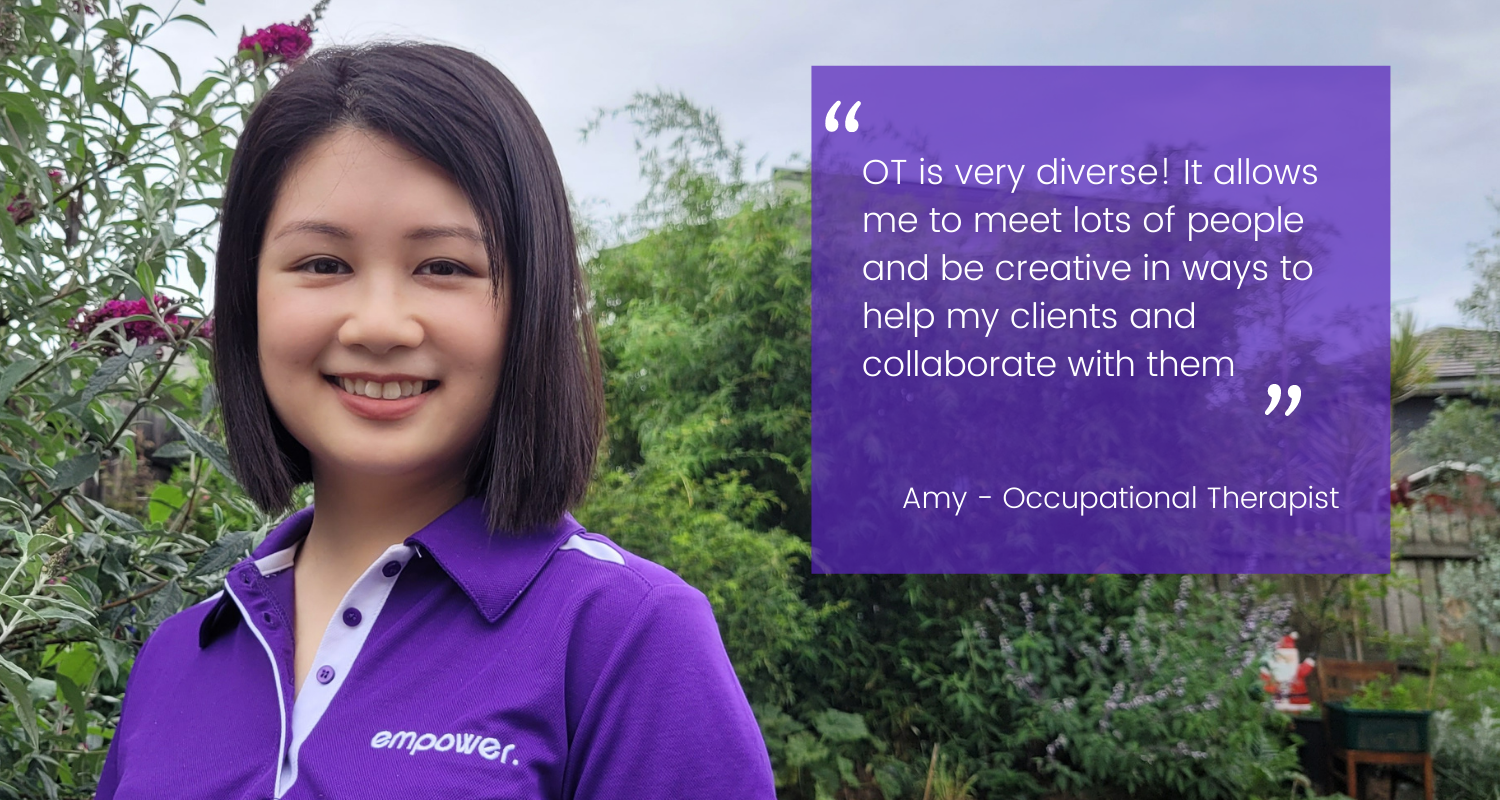
Amy’s diverse experience brings a wealth of knowledge to Empower. Having worked in areas of aged care, community, mental health and disabilities across Queensland, her OT clinical experience is broad.
What drives Amy in her professions is
OT is very diverse! I can work in different areas and meet a lot of people. I can also be creative in ways which I help my clients and collaborate with them
Out of work she enjoys good tea, music, travelling and reading. Amy spends time with her family and enjoys cooking fresh beef or chicken jerky for her cat.
Amy’s appointment marks our commitment to growing and developing our services across Australia as we continue to deliver high quality healthcare solutions.
Occupational Therapy Services
Our Home Care Occupational Therapy (OT) team are experts in helping people live safely and independently. They employ a range of strategies to improve functional independence, increase confidence in daily activities and engage in the community.
Our services include;
Functional assessments
– Home modifications
– Neurological rehab – stroke, brain injury, spinal cord injury
– Cognitive assessments
– Falls prevention
– Equipment and assistive technology prescription
– Home assessments
– Pressure care recommendations
– Mental health OT
Empower Healthcare was founded in 2016 by two people who were determined to improve the standards of allied health services in residential aged care. With industry knowledge and an innovative approach, Adam and Matthew set about defining what allied health services can be when quality and person-centred care is placed before all else in healthcare.
The partnership, that merged clinical expertise with business acumen, soon established Empower Healthcare as a leading provider of quality physiotherapy services in residential aged care facilities in Victoria. This success fueled the expansion of our services within residential aged care, home care and NDIS to deliver occupational therapy, physiotherapy, nursing, podiatry, dietetics, osteopathy, massage and speech pathology.
Now offering comprehensive allied health services with more than 180 dedicated and passionate clinicians working in Victoria, Western Australia, New South Wales and Queensland. Empower Healthcare is growing and taking our unique approach with us.
A lot has changed over the years but not our commitment to the highest quality care, delivered by expert clinicians, aimed at improving the independence and quality of life of our clients. Helping our clients live their lives the way they want to.
How To Get Clients Started With Our Home Care & NDIS Services
Simply click on the image below for our referral form.
Empowering people to take control of their health by making simple changes to the food they eat is the best part of my job
Frank Gemmiti developed an interest in nutrition science after studying and teaching human biology at university and realising that what we eat is a powerful determinant of health. Pursuing his passion, Frank studied dietetics and became an accredited practicing dietician.
With an interest in community health services, Frank works as a clinical dietitian offering individualised and group nutritional advice and consultation for people given their medical, financial, and social circumstances. By understanding the needs of his clients, Frank develops meal plans and nutritional support strategies aimed at improving their health and quality of life.
Examples of Frank’s experience:
Individual nutritional assessments.
Personalised meal planning.
Nutritional education and support for clients, their families, and caregivers.
Group workshops on healthy eating.
Healthy recipe demonstrations.
Dietary strategies for managing and preventing malnutrition.
Assessment and management of swallowing difficulties.
Dietary management of overweight/obesity, malnutrition, diabetes, disability related eating difficulties, cardiovascular disease, chronic kidney disease, and neurological conditions.
Management of enteral-tube regimes.
Education about plant-based, especially vegan, diets.
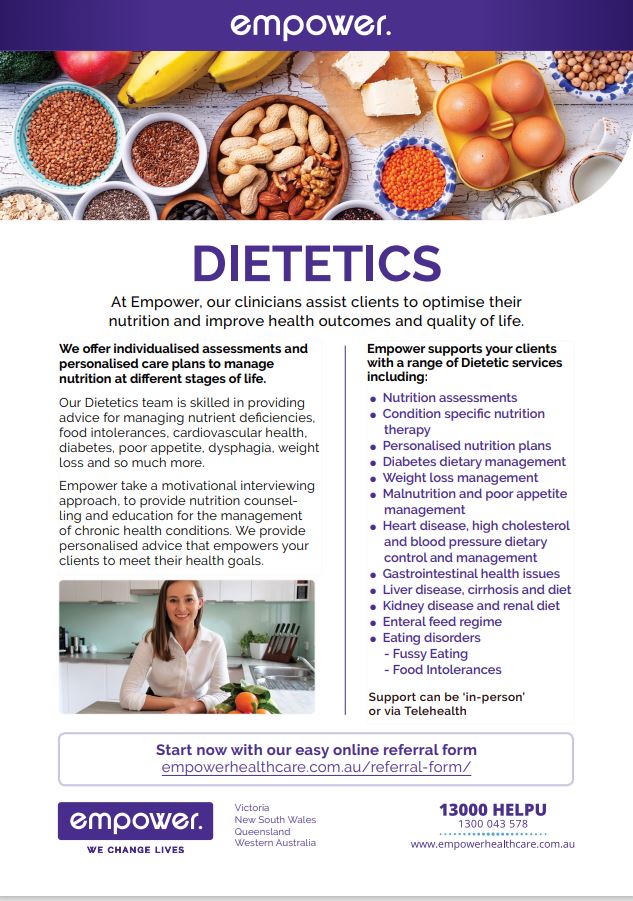
Empower take a motivational interviewing approach, to provide nutrition counselling and education for the management of chronic health conditions. We provide personalised advice that empowers your clients to meet their health goals.
The Empower Difference
Changing Lives Through Exceptional Care
We pride ourselves in the delivery of innovative, high-quality, allied health solutions that constantly evolve to exceed the needs of your clients and their communities. Our service model integrates five service commitments that empower you to help your clients improve their sense of self-identity, quality of life, and ability to live safely in their environment.
Extensive service offerings
Care provided by highly skilled clinicians
A team approach to delivering continuity of care
User friendly referral process
Superior reports providing clarity on future care needs.
Click on your relevant health care industry sector below to learn more.
How To Get Clients Started With Our Home Care & NDIS Services
Simply click on the image below for our referral form.
Here is a short overview of how falls prevention is approached through screening, assessing and intervention by the different professions that form our multidisciplinary teams.
75% of all injury hospitalisations for people aged 65 and over are a result of a fall. Despite this, falls need not be an inevitable aspect of ageing. Evidence indicates that falls prevention programs that address multiple risk factors are most effective with interventions that focus on the individual’s needs and specific risk considerations.
The Physiotherapist
Weak muscles and impaired balance are leading contributors to increasing fall rates in the elderly. Physical activity can go a long way toward falls prevention. Combinations of targeted balance exercises, general strengthening and walking programs are the most effective approach for long term fall prevention. Physiotherapists can create custom exercise programs aimed at improving balance, flexibility, muscle strength and gait. Physiotherapists can aid in finding the right walker, frame or equipment to improve safe mobility for older adults and those with a movement challenge.
The Nurse
Problems with bowel and bladder control can impact on an older person’s ability to stay active, healthy and independent. Incontinence, urinary frequency and assisted toileting have been identified as falls risk factors for residents in residential aged care facilities. Nurses can assist in managing incontinence that can lead to increased falls risk.
By working with GPs and doctors, nurses can also help to manage medication side-effects and interactions that can increase the risk of falls.
The Podiatrist
Podiatrists deal exclusively with foot, ankle and the related structures of the leg which are imperative to function and balance in standing and walking. A podiatrist can analyse stride and gait and recommend foot and lower extremity exercises that can strengthen this mechanical chain. Podiatrists can assess and fit appropriate shoes that provide support, fit properly and are non-slip.
The Occupational Therapist
Falls can often be the result of the interplay of environmental (extrinsic) and personal (intrinsic) factors. Occupational Therapists focus on supporting maximal independent function for the completion of activities of daily living (ADLs) in the safest and most ergonomic way. This may be through adaption of the environment to meet the needs of clients and residents or by intervening with rehabilitation to improve the quality and safety of functional activities.
The Dietitian
Nutrition is an important factor in falls prevention, as frailty and weakness result in loss of muscle mass and strength, neuromuscular impairment and limited mobility. Nutritional status has been shown to be a determining factor in risk of falling, severity of injuries incurred and recovery time after a fall related injury. Dieticians assist in developing food-based diets that support vitality and ensure the energy required to stay active and strong.
About Empower
We Change Lives
Empower Healthcare is a national allied-health service provider and partner with Home Care package providers, NDIS plan managers & Aged Care organisations to deliver life changing allied health services. We offer a full-service platform from physiotherapy, occupational therapy, podiatry, dietetics to osteopathy, massage therapy and most recently, home nursing services and pride ourselves in the delivery of high-quality therapy solutions, value packed services and responsive ethos.
It is a very exciting time with Empower Healthcare building on the success of its Victorian operation and now expanding nationally into NSW & WA. With a growing team of 100+ clinicians, we provide over 1,500 treatments every day and service more than 100 healthcare organisations. Building on this strong foundation, we are well positioned and committed to delivering exceptional care.
Our therapists genuinely care about the people we work with and take the time to build strong relationships that holistically improve social, physical and mental wellbeing to live happier and healthier lives.
How To Get Clients Started With Our Home Care & NDIS Services
Simply click on the image below for our referral form.
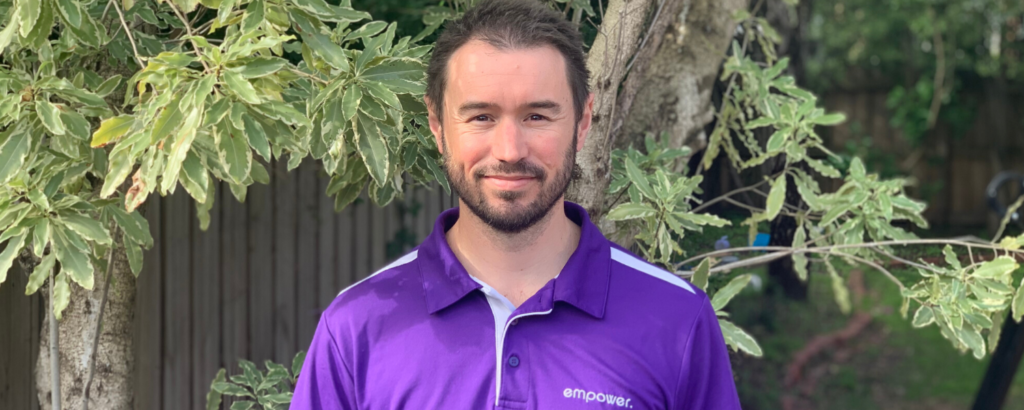
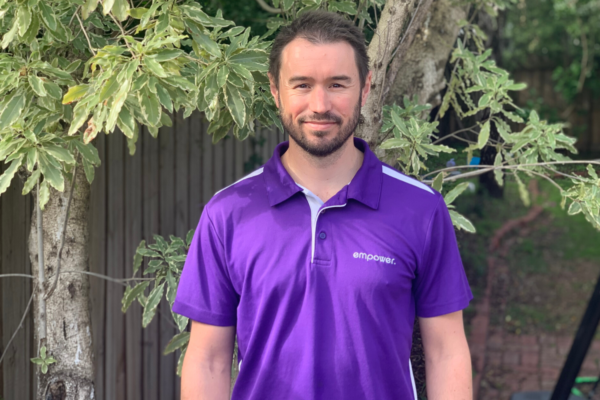
MVP winner Tim Cooper, Senior Physiotherapist shares his background and love for aged care physio. Regarded highly by his colleagues as “the loveliest physiotherapist” his kind, gentle and encouraging personality is admired by many of our clients. With an affection for basketball, kayaking and the Foo Fighters, what’s not to love about Tim!
Why did you choose Empower?
I was moving on from 10 years in private practice and looking for employment that was flexible with my schedule of looking after kids, while decreasing some of the stress that a private clinic can bring.
I got an instantly warm vibe from both Matthew (COO) and Adam (CEO), who made the Empower team seem like a big family. I haven’t felt so relaxed in an interview, which I knew was a sign that this was a place I wanted to be.
To top it off, being a tragic Michael Jordan fan growing up, I saw a framed Jordan poster in Matt’s office during my interview and knew I was making the right decision!
What do you love most about your job?
In aged care, you often see clients for longer periods than in a private practice setting. I believe this allows you to form strong bonds with the people you are treating. It’s a fulfilling sensation providing a service to someone who you get to know so well. I have one client who says I remind her of her son and loads me up with chocolate (not any old chocolate either – Ferrero Rocher!) before I leave each session. It doesn’t get much better than that.
What has been your most memorable moment?
Helping someone restore function that has been lost for so long is as satisfying to me as it is to the client. It may not seem like much, however I have a client who hadn’t been able to touch her head (making self care impossible) due to her shoulder pain over a number of years. After a progressive strengthening program she is now able to do all of her self-care independently, whilst also reaching to the top shelf of the fridge!
In what ways has Empower supported your growth personally & professionally?
Empower have been so accommodating in supporting my work-life balance, which can be difficult to find in some workplaces. This has been highlighted recently by allowing me to juggle of seeing clients while managing recent home-schooling duties that accompanied the COVID-19 outbreak.
Empower host regular PD events, help foster team cohesion, in addition to having a supportive management team. All these factors are vital in providing the scaffolding for professional growth. When I started at Empower I had several staff members share hints and tips to make my transition into the workplace easier. Coming from a busy private clinic, this support was most welcome.
In your new role, what will you be looking to achieve in 2020?
In any job, it is important to set personal goals and always work towards something to keep things interesting. I have several goals that I am working towards this year. After working in private practice for so long, my clientele with neurological disorders were rare. As there is a variety of conditions across all aspects of physiotherapy in aged care, my aim is to brush up on a range of specific neuro-physiotherapy treatment techniques.
The joy of physiotherapy comes with helping a client achieve their goals. My main focus for the year is to make as many of their goals a reality. Due to Empower having a multi-disciplinary team at your fingertips, in addition to working closely with case managers, I am looking forward to utilising these services to really make as much of a positive impact for my clients.
What piece of advice would you give your new graduate self?
Don’t be afraid to ask questions of more experienced physios. Clinical experience is where most of your learning will come from, which as a new graduate is obviously in short supply. Building rapport with your team leader to discuss clients and conditions is the most effective way to put all the pieces together.
Out of the workplace, what are your interests and hobbies?
Other than spending quality time with my wife and 2 kids, my other passions involve a lot of sports. I still play basketball, enjoy the football (mad Eagles supporter) and enjoy taking my kayak out in the bay over the summer. I have a fiddle around with my guitar, which normally involves a feeble attempt to play along with the Foo Fighters. I also love podcasts and go through countless episodes from my favourite hosts when travelling between appointments.





 Our friendly support team to get started on (03) 9583 1364