How Empower Nurses and Dietitians can help with Ostomy management
Nurses and Ostomy Care
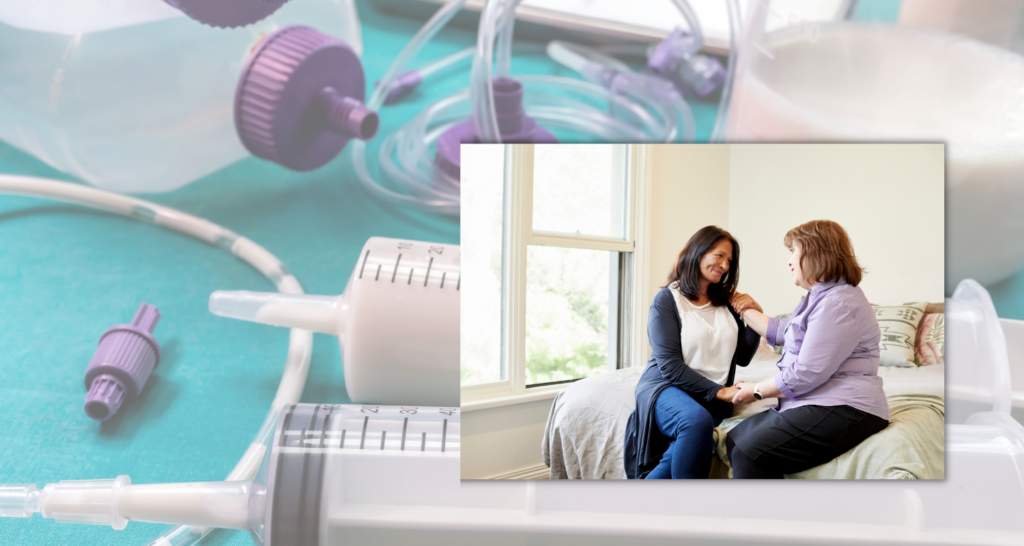
While many people with a stoma or ostomy can independently care for themselves, there are times when some extra help is required. This may be when adjusting to living with an ostomy, when experiencing illness or when managing additional health conditions or disability. Empower nurses provide general ostomy management and support for people who need it. They are fully equipped for ostomy care and carry emergency kits.
As part of delivering high quality nursing services, our Nurses provide:
• Ostomy bag changes
• Assessment of stoma and skin health
• General assessment of health, including monitoring for digestive problems
• Referral to Stomal Therapists if complex care is required.
Dietitians and Ostomy Care
It is possible for people with an ostomy to eat a full and satisfying range of foods. In fact, eating real food after surgery can help the digestive system to begin functioning again. However, learning what foods are easiest to digest, how a person’s body is responding to certain foods and how to maintain good nutrition following surgery can require the input of a Dietitian.
Dietitians can help people:
• Manage low appetite following surgery
• Ensure adequate nutrition and energy levels
• Develop meal plans that are enjoyable and nutritious
• Make dietary adjustments when necessary
• Monitor dietary intake, digestive health and stoma output
• Manage additional health conditions, like diabetes and hypertension
• Choose and use supplementation appropriately.
For in-home, professional care while recovering from surgery, living with a chronic condition or when managing life’s unexpected health challenges, let Empower take care of your health needs.
Click to read more about our Nursing and Dietetic Services
Incontinence is a very common condition affecting 1 in 4 Australian adults.
The good news is that there are many ways that both bladder and bowel leaks and accidents can be treated and managed. With the help of nurses and other health care professionals, your clients can continue to live an active and independent life with dignity.
How we can help
Our nursing services involve support in the management of bladder and bowel control problems. We offer discreet services that aim to preserve dignity, reduce stress, and help people regain confidence so they can participate in daily activities and get you back to enjoying life.
Our support
We will take the time to fully assess your client and understand the challenges they face. We will conduct a Level 2 Basic Continence Assessment and then develop personalised plans and strategies to suit the persons lifestyle and goals.
Our Multidisciplinary Team support
Whilst our nurses provide continence treatment, they also have access and work closely with a large team of Allied Health therapists that can also provide additional continence care and intervention.
Dietetics
Our Dietitians assist with:
• urinary incontinence by monitoring fluid intake and providing recommendations for other bowel management strategies. Clients experiencing urinary incontinence tend to restrict fluid intake and this can contribute to poor health through dehydration and increase the occurrence of constipation.
• faecal incontinence by recommending a modified diet that can alleviate the urgency of bowel motions as well as assist clients with implementing a diet that will help with the frequency and consistency of bowel motions.
*Dehydration is a great risk in this group of clients.
Physiotherapists
Our Physiotherapists assist with:
• improving a client’s mobility and function so that they can access facilities in a timely manner
• utilise their continence aids safely.
• improve balance and coordination to assist with independent toileting
*We don’t have any specialist continence physios.
Occupational Therapists
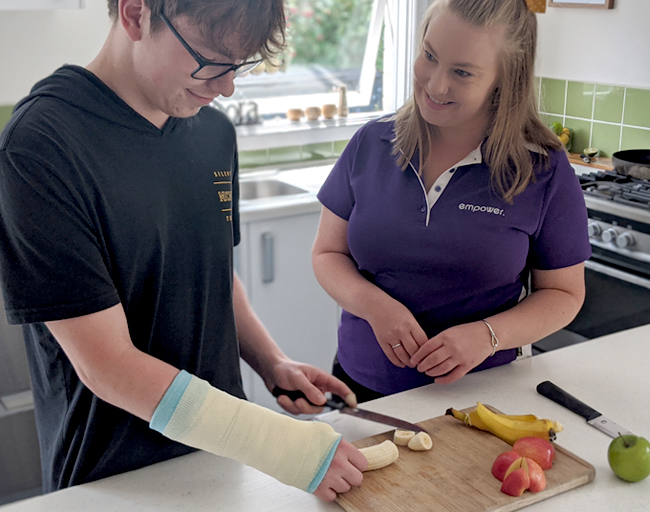
Our Occupational Therapists assist with:
• routines based interventions – working on toileting routines
• strategies such as visual prompts and social stories to support understanding, reinforce routines and reduce anxiety
• understanding their sensory systems and interoception, so the person understands the body’s signals of when they need to go to the toilet.
• working towards independence with assistive technology eg. over toilet seats or commodes, Clothing adaptations
• educating clients family and formal supports.
Management depends on the type of incontinence, its aetiology, the severity of symptoms, as well as the consumers factors such as cognition, functional status and medical history. Our nurses have the clinical background and experience to advise options for suitable treatment approach for each individual to match their lifestyle and keep them at home longer.
We are pleased to welcome Heather to our NSW Occupational Therapy Team
Heather is a confident and meticulous Occupational Therapist who enjoys finding person-centered solutions that empower clients to live their most independent, active and fulfilling lives.
Having worked in NDIS home-based settings as well as in work place environments, Heather has a holistic view of rehabilitation, inclusion and access issues faced by people at home, in communities and at work.
With experience in Functional Capacity, Sensory and Housing assessments, Heather also brings established therapy skills in capacity building, rehabilitation, assistive technology prescription and home modifications for clients in a variety of settings including school, homes and clinics in Sydney.
She says:
I am excited by the diverse nature of Occupational Therapy. I enjoy meeting new people, hearing their stories and helping them find meaningful activity and purpose to improve their quality of life and achieve their personal goals.
When not at work, Heather loves spending her time with friends and family exploring new places, eating great food and indulging in her best relaxation activity – watching Ru Paul’s Drag Race!
How To Get Clients Started With Our Home Care & NDIS Services
Simply click on the image below for our referral form.
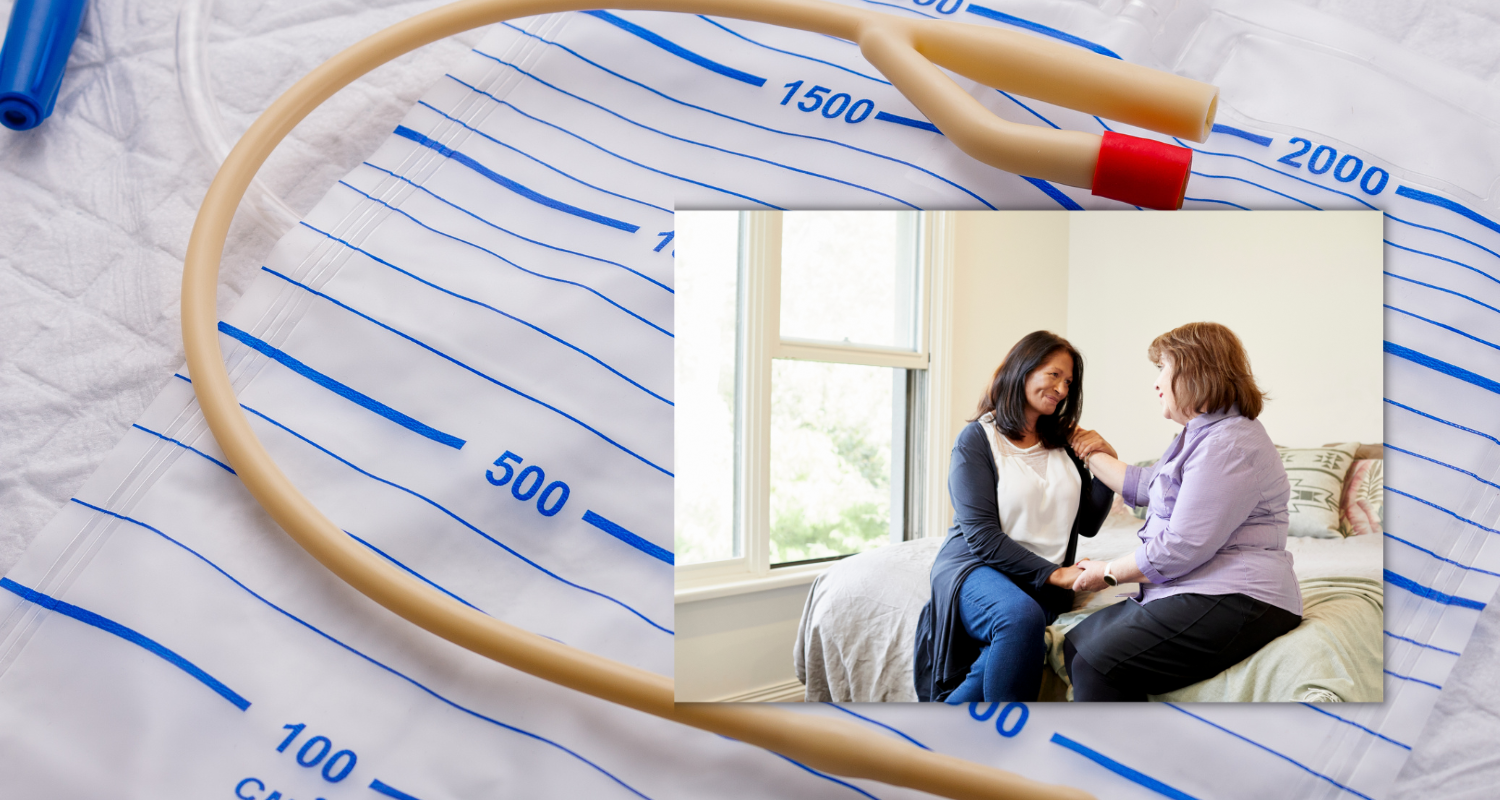
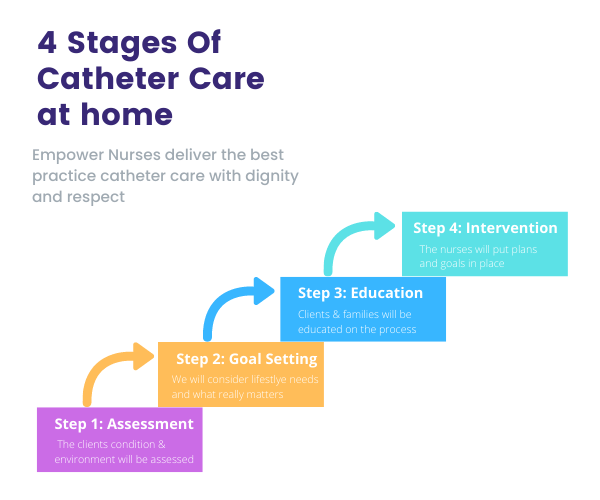
It is possible to live an independent and active life with a catheter and Empower’s nurses are ready to help clients and their families.
Our nurses are trained to deliver best practice catheter care with dignity to help people maintain the life they are accustomed to.
Our skilled nurses are fully trained to deliver care for all three types of catheters:
• Male
• Female
• Suprapubic
For people who rely on catheters, having a routine to care for the catheter is an important part of living a full life without the common complications that a catheter use can cause. Empower nurses deliver person centred, individualised catheter care to every client beginning with a comprehensive assessment at home.
Our nurses assess the level of support, education and care needed and work with clients and their families to set goals and develop management plans to suit their individual needs.
Good catheter care starts with good nursing care.
Our catheter care routines help users:
Reduce Urinary Tract Infections
By regularly emptying bags and performing hygiene activities like good hand washing, people who use catheters can reduce the likelihood of infection. Developing habits of adequate water consumption can also help to reduce bacterial infection risk and keep the system functioning optimally.
Eliminate Leakage
Regular emptying of bags is necessary to reduce the chance of overflow leakage. Having established fluid consumption routines can also help with the management of urine output.
Avoid Kidney damage
Reducing the load on the kidneys by allowing complete bladder voiding protects kidney function.
Live a full life
A well-established routine can allow people who rely on catheterisation to lead full and active lifestyles with the freedom to work, travel, exercise and socialise knowing that their bodies are well cared for.
Having a plan and support is vital for developing routines when taking care of a catheter system. Our experienced nurses help people to ensure the best care for their catheters while meeting their lifestyle needs and goals. After all, catheterisation should allow people to focus on the things in life that really matter and enable them to live life their own way.
We are pleased to welcome Occupational Therapist Fred Spitson to Empower Healthcare.
Fred arrives with leadership experience and specialised knowledge of assistive technology prescription.
Having developed his skills in supported independent living, specially designed housing, home modifications and assistive technologies, Fred discovered a passion for prescribing complex equipment and is now bringing his much sought-after skills to add to our suite of Occupational Therapy service offerings.
Fred has experience in assessing for and prescribing standing power wheelchairs; bedding composite; hoists; scooters; bath lifts and light vehicle adaptability equipment. His interest lies in providing people with the tools and skills they need to achieve their goals.
I love working with participants and families, showing them what is possible to help improve their independence and help them achieve their goals and aspirations.
With a diverse NDIS and Home Care case load as well as constantly learning and developing in his profession, it’s hard to believe he has time to relax. Luckily, he prefers to stay busy and has recently renovated a house in his downtime.
Welcome to the team
About Empower Healthcare
We Change Lives
Changing lives is what we do. Delivering high quality allied health services is how we do it.
Empower Healthcare was founded in 2016 by two people who were determined to improve the standards of allied health services in residential aged care. With industry knowledge and an innovative approach, Adam and Matthew set about defining what allied health services can be when quality and person-centred care is placed before all else in healthcare.
The partnership, that merged clinical expertise with business acumen, soon established Empower Healthcare as a leading provider of quality physiotherapy services in residential aged care facilities in Victoria. Woo Casino Australia offer huge bonuses and you can find woo casino bonus codes australia. This success fueled the expansion of our services within residential aged care, home care and NDIS to deliver occupational therapy, physiotherapy, nursing, podiatry, dietetics, osteopathy, massage and speech pathology.
Now offering comprehensive allied health services with more than 180 dedicated and passionate clinicians working in Victoria, Western Australia, New South Wales and Queensland. Empower Healthcare is growing and taking our unique approach with us.
A lot has changed over the years but not our commitment to the highest quality care, delivered by expert clinicians, aimed at improving the independence and quality of life of our clients. Helping our clients live their lives the way they want to.
How To Get Clients Started With Our Home Care & NDIS Services
Simply click on the image below for our referral form.
Empower Healthcare is pleased to welcome two new physiotherapist to the team
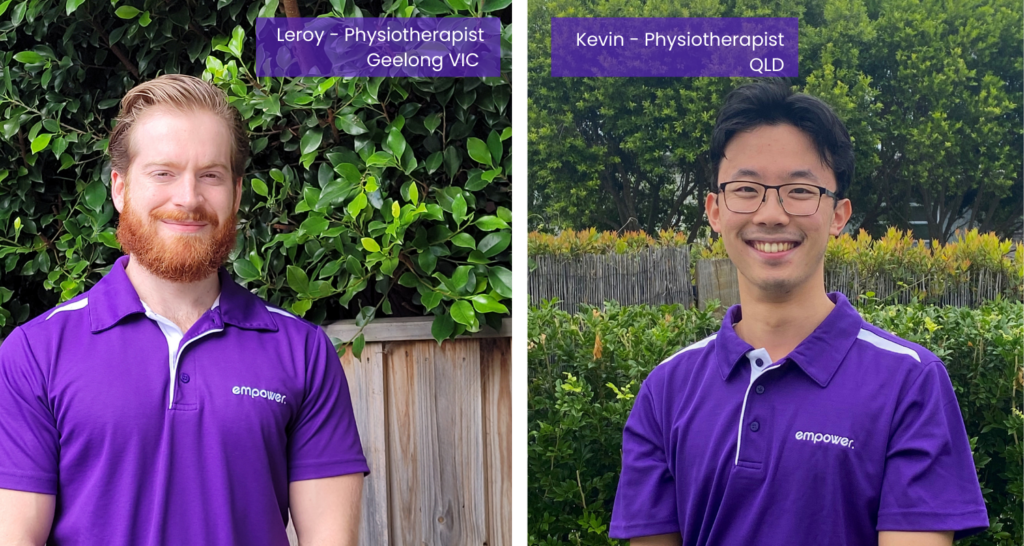
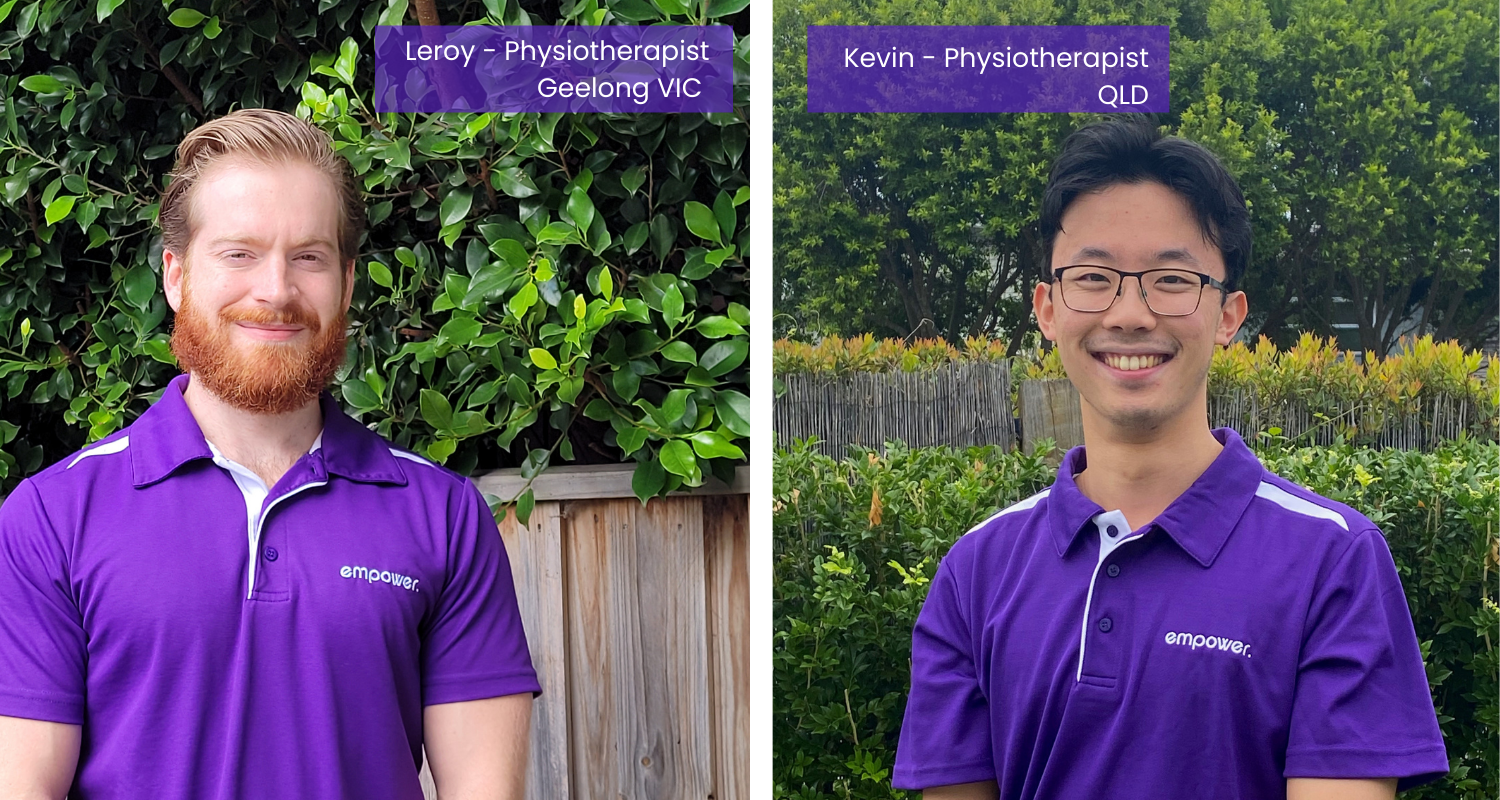
Whether help is needed to address short term problems or on an ongoing basis, our friendly and knowledgeable team of physios are ready to help. Bringing everything needed to your door, our therapists will tailor interventions to your goals and we are pleased to welcome two new therapists to the team – Kevin in Queensland and Leroy in Geelong Victoria.
Kevin Physiotherapist Queensland
Kevin is a passionate physiotherapist who brings his positive energy and experience in musculoskeletal physiotherapy to the expanding team. Having worked in private practice and clinical education, Kevin is excited to work in Community Care, as he says:
“Community care places a larger emphasis on the clients themselves rather than the physio”
“When I walk into a client’s home, I can see what their environment is like, what they enjoy doing and what their goals at home are. I can truly appreciate what they need and formulate a plan that is client-focused. Plus, I love getting to know people in an environment they are comfortable in!It can be daunting when a patient walks into a clinic and talks to a physio they’ve never met before. This factor is eliminated when we bring the service to the home.”
Outside of work, Kevin is equally energetic and community minded as he captains a volleyball team and volunteers his free time. He loves staying active and helping his clients do the same.
Leroy Physiotherapist Geelong Victoria
Leroy is a physiotherapist with an additional qualification in Exercise and Sport Science. This makes him perfectly suited to delivering exceptional rehabilitative and pain management services for clients living at home or in residential aged care.
Leroy has a passion for improving the quality of life of his clients through movement and strengthening, while also having experience in managing chronic complex pain conditions.
When asked what he loves most about his work, Leroy says:
“An aspect I love about physiotherapy is the caring interactions with patients and development of therapeutic relationships over time. We often get to spend more time with people than many other healthcare professionals, so we have a broader understanding of who they are, their lives, their goals in and outside of therapy and what really makes them tick.”
Having grown up on a farm, Leroy has always enjoyed staying active and healthy and in his spare time keeps his body fit in his home gym, while keeping his mind fit gaming with friends.
Welcome to the team
About Empower Healthcare
We Change Lives
Changing lives is what we do. Delivering high quality allied health services is how we do it.
Empower Healthcare was founded in 2016 by two people who were determined to improve the standards of allied health services in residential aged care. With industry knowledge and an innovative approach, Adam and Matthew set about defining what allied health services can be when quality and person-centred care is placed before all else in healthcare.
The partnership, that merged clinical expertise with business acumen, soon established Empower Healthcare as a leading provider of quality physiotherapy services in residential aged care facilities in Victoria. Woo Casino Australia offer huge bonuses and you can find woo casino bonus codes australia. This success fueled the expansion of our services within residential aged care, home care and NDIS to deliver occupational therapy, physiotherapy, nursing, podiatry, dietetics, osteopathy, massage and speech pathology.
Now offering comprehensive allied health services with more than 180 dedicated and passionate clinicians working in Victoria, Western Australia, New South Wales and Queensland. Empower Healthcare is growing and taking our unique approach with us.
A lot has changed over the years but not our commitment to the highest quality care, delivered by expert clinicians, aimed at improving the independence and quality of life of our clients. Helping our clients live their lives the way they want to.
How To Get Clients Started With Our Home Care & NDIS Services
Simply click on the image below for our referral form.
At Empower, we make delivering the best care and outcomes our highest priority and that is why we ensure that every cent spent from our client’s packages is having the greatest impact on improving their quality of life.
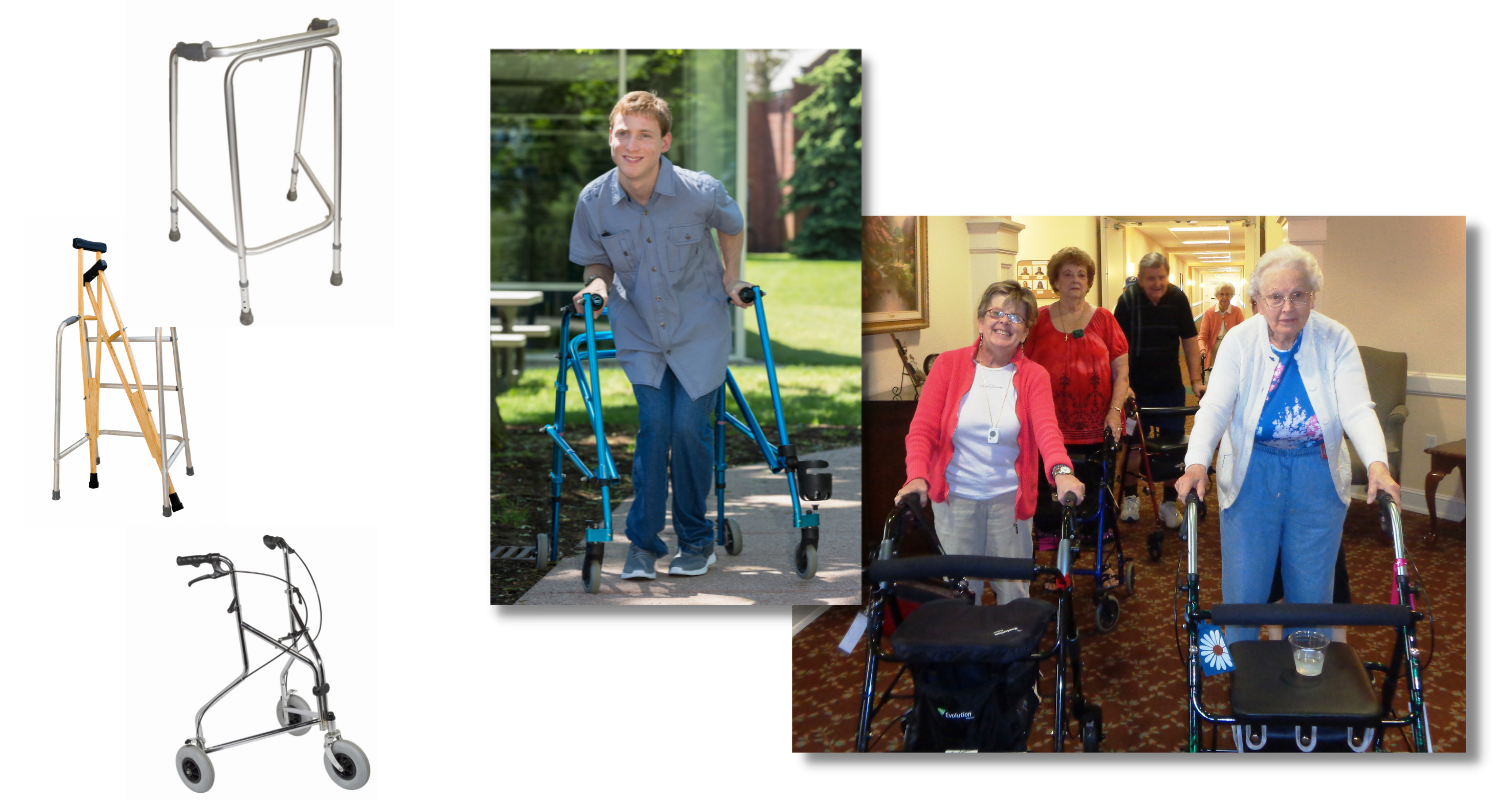
This is especially true when it comes to decisions about equipment. Our physiotherapists know that walking aid prescription is about so much more than walking. The correct walking aid allows independence, security and dignity. Unfortunately, the incorrect aid, or an aid poorly fitted, can have the opposite effect.
What is a walking (gait) aid?
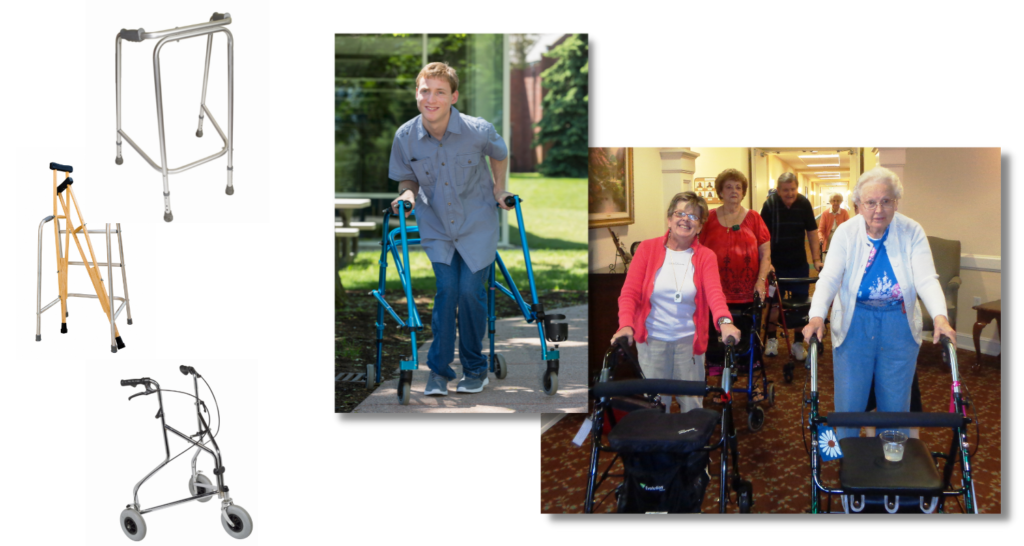
Walking aids are also referred to as gait aids. A gait aid is one of several devices a client may be issued in order to improve their walking pattern, balance or safety while mobilising independently. Gait aids fall into multiple categories and include the following:
• Walking sticks or canes
• Crutches
• Walkers
• Standing Aids: to assist with manual handling often used with in rehabilitation.
A physiotherapist’s goal is to attain the greatest level of function with the smallest amount of equipment. Physios see gait aids as a valuable tool in ensuring safety and independence while working to improve and maintain mobility through strengthening and rehabilitation. The long-term result is more mobility with less reliance on equipment.
Why do we use our physiotherapists for gait aid prescription?
The prescription of gait aids by physiotherapists represents best practice and falls squarely within the scope of practice of physiotherapists who train specifically in the areas of biomechanics, gait analysis, gait rehabilitation and balance. Our physios work towards greater independence and mobility, armed with the experience and latest evidence-based techniques to help people rediscover the joy of movement without fear.
How can assessments by physiotherapists help to optimise home care packages?
• By reducing or delaying the reliance on expensive mobility equipment, physios free up funds for rehabilitation or other needs that may otherwise have fallen outside the budget.
• Involving physios in gait aid prescription and rehabilitation is proven to reduce falls in the elderly. This reduces the long-term consequences and expenses of injuries.
• Physiotherapists have a deep understanding of the woo by morrock predicted outcomes of various medical and physical conditions and can advise which gait aids may only be needed temporarily and could be hired rather than bought.
• Expertly fitted aids allow for greater independence and function, empowering people to live safely at home for longer.
A case study:
Peta was discharged from hospital after spending 3 weeks recovering from surgery. Once home, she found that she was very unsteady and fearful of falling after spending so much time in bed. Her case manager contacted Empower Healthcare for an assessment for a gait aid and a physiotherapist visited her at home and conducted a complete physical and functional assessment. The physio determined that the main cause her balance difficulties was deconditioning due to a long period of convalescence and prescribed an exercise program. They also recommended that a 4-wheeled walker be hired, rather than purchased as Peta was most likely to improve to her previous level of function. After 3 months, the walker was returned as Peta no longer needed it. She also did not need any modifications to her home as she was able to move around freely and confidently once more.
The right walking (gait) aid can be life changing and saving so give Empower a call to book a walking aid assessment with one of our physiotherapists.
Get Clients Started With Our Home Care & NDIS Services
Simply click on the image below for our referral form.
Working with the ex-service community for over a decade has given Kristy has a passion for aged care and lots of respect for the aging community.
Kristy has noticed
a huge need for greater pain management in the form of non-invasive and non-pharmaceutical approaches.
Manual therapy in the form of massage provides many benefits for clients physical and mental health including decreased depression and agitation, resulting in feelings of wellbeing and comfort.
The COVID pandemic has highlighted the need for therapeutic touch as a way to connect and manage pain. Working in residential and community-based care during lockdowns has allowed Kristy the opportunity to connect with the most vulnerable and isolated members of our society who at times are in desperate need for human interaction.
Kristy has experience with high care, dementia, individual and group exercise therapy programs promoting strength and balance. Pain management therapy is also a specialist area for Kristy having implemented and managed a wellness centre promoting wellbeing and quality of life of countless residents. It is one of her proudest achievements to date.
Unfortunately, due to Covid, the organisation made the heartbreaking decision to close the clinic and like many others during the pandemic, this gave Kristy the opportunity to embark on a new career path. Kristy studied remedial massage therapy whilst working part time as a community based Allied Health Assistant and has now joined the team here at Empower Healthcare.
Personally, Kristy enjoys painting pet portraits and lives with her husband, dog Jester and cat Artemis.
Kristy joins a team of highly trained massage therapist who use a therapeutic approach to massage. They offer a broad range of individualised massage treatments chosen to accommodate the mobility status, preferences and needs of the people they see at home.
Our clinicians bring their own equipment with them and can massage the client on a massage table, on their bed, or in high supported sitting with a range of relaxing oils and creams, or the personal products preferred by the client.
Kristy is looking forward to working with the Mornington and surrounds community helping her clients to live their best lives.
Simply click on the image below for our referral form.
About Empower Healthcare
We Change Lives
Changing lives is what we do. Delivering high quality allied health services is how we do it.
Founded in 2016 by two people who were determined to improve the standards of allied health services in residential aged care. With industry knowledge and an innovative approach, Adam and Matthew set about defining what allied health services can be when quality and person-centred care is placed before all else in healthcare.
The partnership, that merged clinical expertise with business acumen, soon established Empower Healthcare as a leading provider of quality physiotherapy services in residential aged care facilities in Victoria. This success fueled the expansion of our services within residential aged care, home care and NDIS to deliver occupational therapy, physiotherapy, nursing, podiatry, dietetics, osteopathy, massage and speech pathology – https://aussie-online-casinos.com/best-paying-online-pokies/.
Now offering comprehensive allied health services with more than 180 dedicated and passionate clinicians working in Victoria, Western Australia, New South Wales and Queensland. Empower Healthcare is growing and taking our unique approach with us.
A lot has changed over the years but not our commitment to the highest quality care, delivered by expert clinicians, aimed at improving the independence and quality of life of our clients. Helping our clients live their lives the way they want to.
Bacteria can be our best friend. They help us digest food and get the most out of our diets and good bacteria can protect us from infection and disease. They can, however, also be our worst enemy. Bacteria, viruses, and other microorganisms that can cause disease are all around us and it is vital that healthcare providers protect clients from the pathogens that are found even in the cleanest of environments. To do this, clinicians use practices and procedures to prevent contamination.
These strict rules and processes are the aseptic technique.
When is aseptic technique used?
Any time the skin or mucous membranes are breached, it is vital that clinicians ensure sterility of the area, equipment, and themselves. Examples of instances requiring this technique are:
• Catheterisation
• Surgical procedures
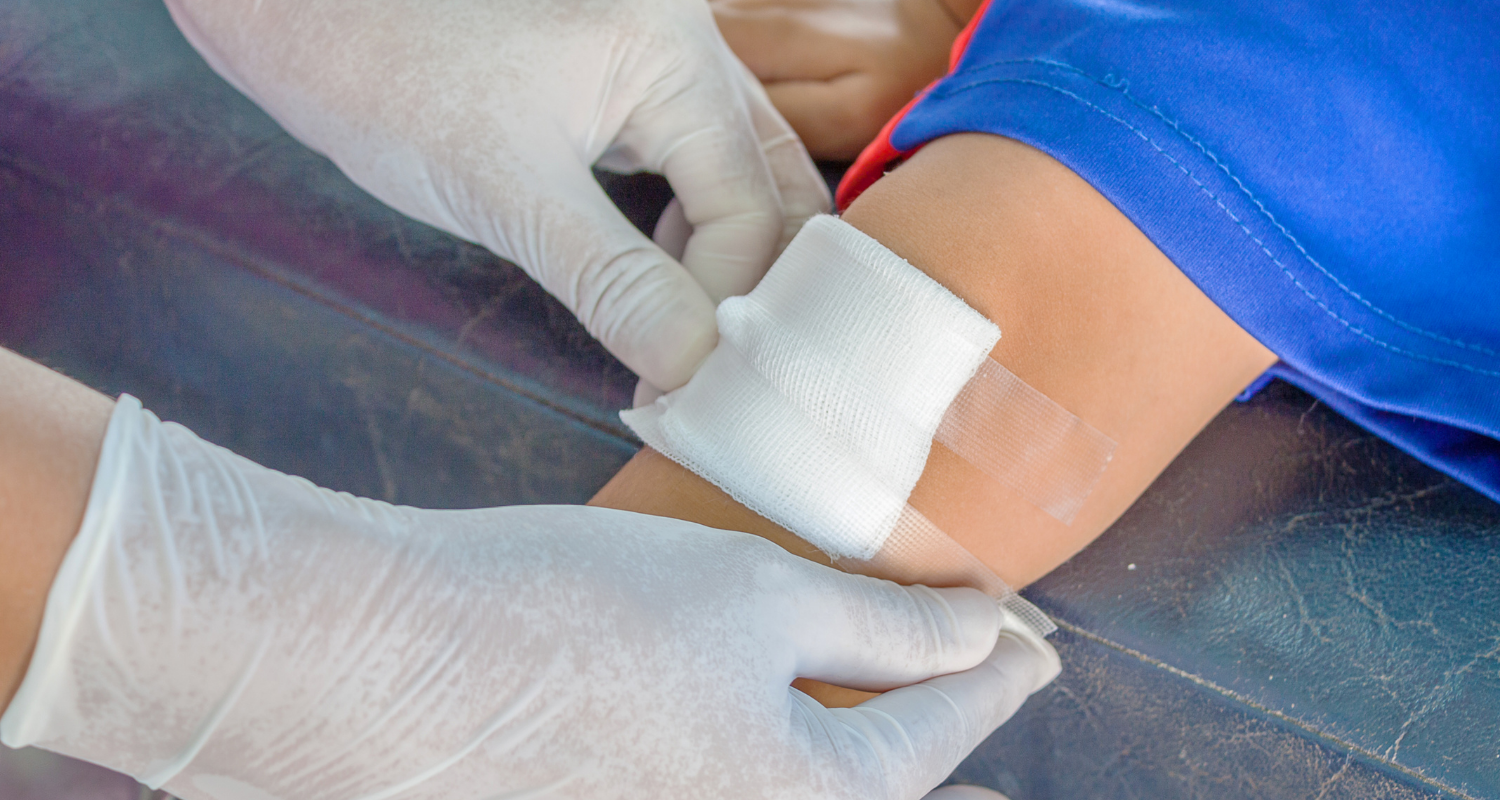
• Wound care
Can this technique be used in a home environment?
Yes, many procedures require healthcare practitioners to be able to create sterile conditions to meet the needs of their clients. They do this by creating a sterile field to work in, using sterile equipment, proper cleaning of the area and their own hands, wearing gloves and other protective clothing and masks and lastly by following a process that maintains the pathogen free zone throughout the procedure.
How do I know that my healthcare provider is able to perform asepsis technique?
All Empower Healthcare nurses are qualified and trained to be able to perform asepsis technique when indicated. All Empower Healthcare clinicians are equipped and trained to protect their clients by using the appropriate techniques and equipment for the needs of the people they work with.
Delivering high quality allied health services is how we do it.
Empower Healthcare was founded in 2016 by two people who were determined to improve the standards of allied health services in residential aged care and knew how to do it. With industry knowledge and an innovative approach, Adam and Matthew set about defining what allied health services can be when quality and person-centred care is placed before all else in healthcare.
The partnership, that merged clinical expertise with business acumen, soon established Empower Healthcare as a leading provider of quality physiotherapy services in residential aged care facilities in Victoria. This success fuelled the expansion of our services within residential aged care, home care and NDIS to deliver occupational therapy, physiotherapy, nursing, podiatry, dietetics, osteopathy, massage and speech pathology.
Now offering comprehensive allied health services with more than 180 dedicated and passionate clinicians working in Victoria, Western Australia, New South Wales and Queensland, Empower Healthcare is growing and taking our unique approach with us.
A lot has changed over the years but not our commitment to the highest quality care, delivered by expert clinicians, aimed at improving the independence and quality of life of our clients- helping our clients live rocket-australia.com their lives the way they want to.
How To Get Clients Started With Our Home Care & NDIS Services
Simply click on the image below for our referral form.
Dietitian Meg eats, sleeps, and dreams healthy eating
Meg qualified as a Dietitian in Queensland and moved to Melbourne to pursue her passion for food. She spends her spare time visiting markets, trying new cuisines and exploring the incredible food offering. Meg eats, sleeps, and dreams healthy eating and having suffered her own gut health problems for ten years she has a special interest in gut health.
Gut health issues require specialised recipes to suit the gut health requirements but more specifically focusing on how to change a diet whilst maintaining a healthy variety of nutrients. Meg enjoys helping people alter their favourite recipes and meals to suit their own gut health requirements whilst still enjoying their favourite foods.
Working as a Community Dietitian offers variety because each client is different. They have their own unique goals, challenges and lifestyles, and the solutions are not a one-size fits all approach. Meg and all Empower dietitians take the time to sit and listen to clients about their needs and wants when it comes to nutritional support, offering a unique person-centred approach.
Meg says
Working in the community provides a rare opportunity to see someone’s living conditions whilst taking their diet history. This helps tailor any recommendations to ensure they are suited to their current living environment.
Empower Dietitians improve the independence and quality of life of our clients by providing reliable and trusted food and nutritional support to live their lives the way they want.
Let Us Help You with Your Dietetics Needs
As a registered NDIS provider with experience in the assessment & treatment of a variety of conditions and strong partnerships with leading equipment and home modification providers, we can facilitate all your allied health needs provisioned under the NDIS.
We assist NDIS participants from 15 onwards.
Our convenient, NDIS services range from provide clients with high quality occupational therapy, physiotherapy, podiatry, and dietetics, and in the comfort of their own environment including timely and effective communication to support the administration of your clients’ funds.
We want your participants to experience the best allied health services, and stay independent, happy, healthy in their own home.
Our NDIS Dietitians Help With Wellbeing
Our team of experienced NDIS dietitians provide diet advice to improve health and manage specific conditions with weight loss or gain, difficulty in eating food and managing food allergies.
Here’s how our NDIS dietitians help with wellbeing:
Improve overall health and mental happiness
Education around good food choices
Introduce tasty and nutritious meal ideas for fussy eaters
Reduce mealtime stress and create positive experiences
Improve gut health, manage appetite and weight problems
Our NDIS dietitian offers everything a mainstream dietitian does, plus a whole lot more, such as:
Supporting diets for people who experience difficulties with chewing and swallowing
Fussy eating or resistant/picky eating
Excessive weight gain which impacts physical or social function
Stressful mealtimes and other mealtime challenges such as food refusal, not coming to the table, eating with distractions or avoidance to eat socially











 Our friendly support team to get started on (03) 9583 1364