Tag Archives: Parkinson’s disease

Unlocking Better Outcomes: Introducing Our New Quick Reference Guides for Referrers

Quick Reference Guides 2026

Unlocking Better Outcomes: Introducing Our New Quick Reference Guides for Referrers

As a referrer, coordinator, care partners, or case manager, you are on the front lines of supporting older adults and participants navigating complex health changes. Whether it’s a normal part of ageing or a life-altering diagnosis like a stroke, dementia, or Parkinson’s disease, identifying exactly when and how allied health can step in is critical.

To help you streamline this process and ensure your participants get the right support at the right time, we have developed a suite of comprehensive reference documents.

These resources bridge the gap between noticing a participant’s functional decline and mapping out a highly effective, cross-disciplinary care plan.

Why Early Intervention Matters

Many challenges—ranging from nutritional deficiencies to cognitive slowing and motor impairments—do not occur in isolation. Left unaddressed, small changes can compound into a rapid cycle of declining function, increased risk of hospitalisation, and carer burnout.

Our guides are designed to help you catch these changes early. Explore the core areas below and download the specific guide you need to optimise your care plans:

  1. General Ageing: Moving Beyond “Normal” Decline

Ageing is not a diagnosis, but it does bring physical, cognitive, and nutritional shifts.

  • The Challenges: Sarcopenia (loss of muscle mass), balance issues, malnutrition (affecting 10–20% of community-dwelling older adults), and swallowing difficulties (dysphagia).
  • How We Help: Our Physiotherapists and Occupational Therapists (OTs) implement evidence-based falls prevention and home modifications (shown to reduce falls by up to 39%). Meanwhile, Dietitians build meal plans to reverse unintentional weight loss, and Speech Pathologists manage safe swallowing to protect against aspiration pneumonia.
  • Deeper Dive: For a full clinical breakdown, symptom mapping, and cross-disciplinary interventions, download our guide below.

📥 Download the General Ageing Quick Reference Guide

  1. Stroke Recovery: Reclaiming Independence

A stroke can cause temporary or permanent disabilities depending on the location and duration of reduced blood flow.

  • The Challenges: One-sided limb weakness, aphasia (communication issues), neuropathic or nociceptive pain, emotional changes like depression, and incontinence.
  • How We Help: OTs teach one-handed cooking or dressing sequences and prescribe specialised assistive technology (like plate guards or large-handled cutlery). Speech Pathologists target aphasia, apraxia, and dysphagia, while Dietitians ensure optimal caloric intake to combat post-stroke fatigue.
  • Deeper Dive: For comprehensive functional impact analysis and post-stroke management strategies, download our guide below.

📥 Download the Stroke Quick Reference Guide

  1. Dementia Support: Navigating Progressive Changes

Dementia impacts far more than just memory; it progressively alters physical capabilities, judgment, and sensory perception.

  • The Challenges: Early-stage confusion, mid-stage disorientation and cooking safety risks, and late-stage complete dependence alongside motor impairments or swallowing issues.
  • How We Help: OTs introduce cognitive aids (like medication reminders) and structure environments to reduce confusion. Speech Pathologists implement communication aids to reduce social isolation, and Dietitians manage the nutritional decline associated with advanced stages.
  • Deeper Dive: For a detailed look at the typical timelines of progression and non-pharmacological interventions, download our guide below.

📥 Download the Dementia Quick Reference Guide

  1. Parkinson’s Disease: Proactive Multidisciplinary Care

Parkinson’s disease (PD) requires a highly responsive, long-term approach to manage both motor and non-motor symptoms as they evolve.

  • The Challenges: Tremor, rigidity, bradykinesia (slowness of movement), freezing of gait, sleep disturbances, and cognitive decline.
  • How We Help: We utilise a coordinated “DOT” team approach. OTs implement sensory cues for freezing episodes and ergonomic adjustments for rigidity. Dietitians modify food textures and meal timing to optimise energy, and Speech Pathologists utilise ‘slow speech’ techniques and swallowing therapy.
  • Deeper Dive: For the complete symptom impact matrix and comprehensive referral pathways download our guide below.

📥 Download the Parkinson’s Disease Quick Reference Guide

  Spotting the “Red Flags”  

Our guides outline critical clinical triggers that mean your participant requires an urgent referral. Keep an eye out for these high-risk indicators across your caseload:

  • Recurrent or Recent Falls: Can indicate acute neurological changes, functional decline, or immediate safety hazards.
  • Sudden Weight Loss or Gain: A major indicator of malnutrition, swallowing complications, or progressive chronic disease.
  • Unsafe/Impulsive Behaviours: Such as leaving the stove or oven on, posing an immediate fire risk.
  • Development of Pressure Sores: Signals a severe lack of mobility or inadequate pressure-relieving equipment that requires rapid nursing or OT intervention.
  • Severe Carer Burnout: Directly threatens the safety and continuity of the participant’s home care arrangements.
  • Post-Hospital Discharge: A high-risk window frequently complicated by new medications, confusion over care plans, and latent functional decline.

Partner with Us

By taking a cross-disciplinary approach, our clinicians collaborate smoothly under one roof, facilitating streamlined communication and drastically better outcomes for your participants.…

How our Allied Health clinicians can help with Parkinson’s Disease

Parkinsons web 1500 × 800px
Parkinson's blog

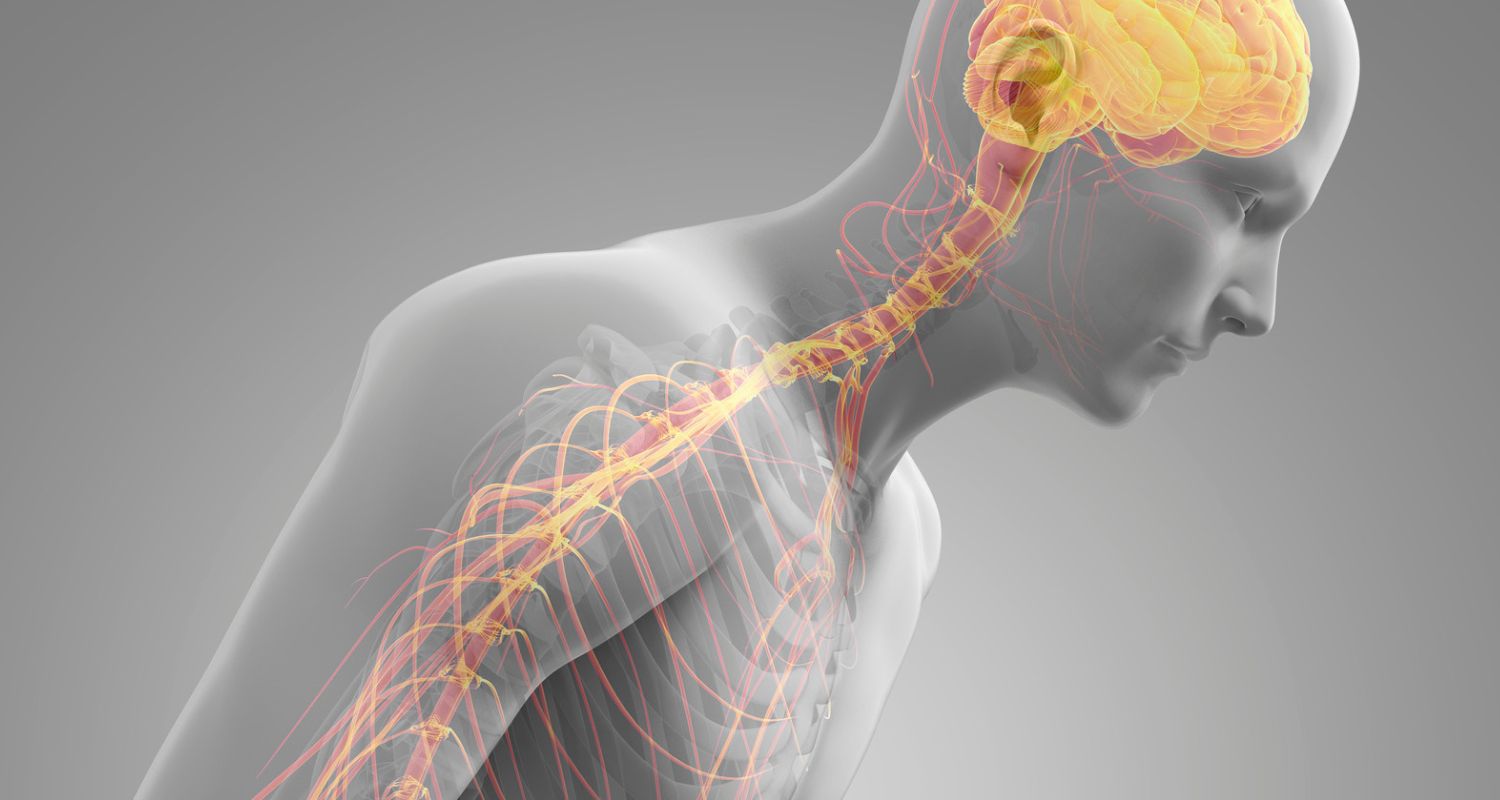
Comprehensive, personalised care for people living with Parkinson’s disease can improve mobility, independence, and provide real quality of life.

Parkinson’s disease is a chronic and progressive neurological disorder affecting *150,000 Australians with 38 more diagnosed every day. 20% of sufferers are under 50 years old and 10% are diagnosed before the age of 40.

Parkinson’s disease can cause a wide range of symptoms, including tremors, stiffness, slow movement, and balance problems. While there is currently no cure, Allied Health clinicians can assist in managing symptoms and improving quality of life for people living with the condition.

These clinicians, along with Nurses, include Physiotherapists, Occupational Therapists, Dietitians, Osteopaths, Podiatrists, and Speech Pathologists.

Physiotherapists
Work with people living with Parkinson’s disease to improve their mobility, balance, and strength. Physiotherapy can help to reduce stiffness and increase flexibility, which can help people with Parkinson’s disease to move more easily. They can also provide education on proper posture, gait, and balance, which can help to prevent falls.


Occupational Therapists
Can help people to continue to work, care for themselves and carry out activities of daily living by providing strategies for managing activities such as dressing, grooming, modified work arrangements and cooking. They can also provide advice on home modifications and assistive devices that can make daily activities easier.


Dietitians
Ensure that people who live with Parkinson’s disease are meeting their nutritional needs. Parkinson’s disease can affect a person’s ability to swallow, which can make it difficult to eat and drink. A dietitian can provide advice on the best foods to eat and the best ways to prepare them. They provide guidance on maintaining healthy weight and managing other health conditions that may be associated with Parkinson’s disease.


Osteopaths
Holistically approach the management of Parkinson’s disease and the musculoskeletal system to relieve pain and stiffness in the joints and muscles. They can provide manual therapies such as massage and stretching, which can help to improve flexibility and reduce pain. Osteopaths can also provide advice on exercise and lifestyle changes that can help to manage symptoms of Parkinson’s disease.


Podiatrists
Work address problems with feet such as calluses, corns, and toenail problems that can be difficult to reach when movement is affected. They can also provide advice on proper footwear that can help to improve balance and prevent falls.


Speech Pathologists
Speech pathologists help people with Parkinson’s who struggle with communication to speak clearly, loudly, and with intent. Therapy aims to improve word-finding abilities, can help manage cognitive functioning, comprehension issues, memory, and following directions. Speech Pathologists also play a vital role in managing swallowing difficulties that can cause complications for people living with Parkinson’s.


Nurses
Play a crucial role in supporting people living with Parkinson’s disease. They can help by educating patients and their families about the disease and its management, providing guidance on medication schedules and side effects, and offering strategies for managing daily activities. Nurses can also monitor symptoms, assess changes in condition, and provide emotional support.


Working collaboratively, Allied Health clinicians can deliver comprehensive, personalised care for people living with Parkinson’s disease that can improve mobility, independence, and real quality of life.


*https://shakeitup.org.au/understanding-parkinsons/#:~:text=Parkinson’s%20is%20the%20second%20most,before%20the%20age%20of%2040.


MORE BLOGS

Living at home longer…and better

The benefits of Hydrotherapy


Get Started With Our Home Care & NDIS Services

Simply click on the image below for our referral form.

Referral on-boarding now completed online in minutes

 …