
 CareHub

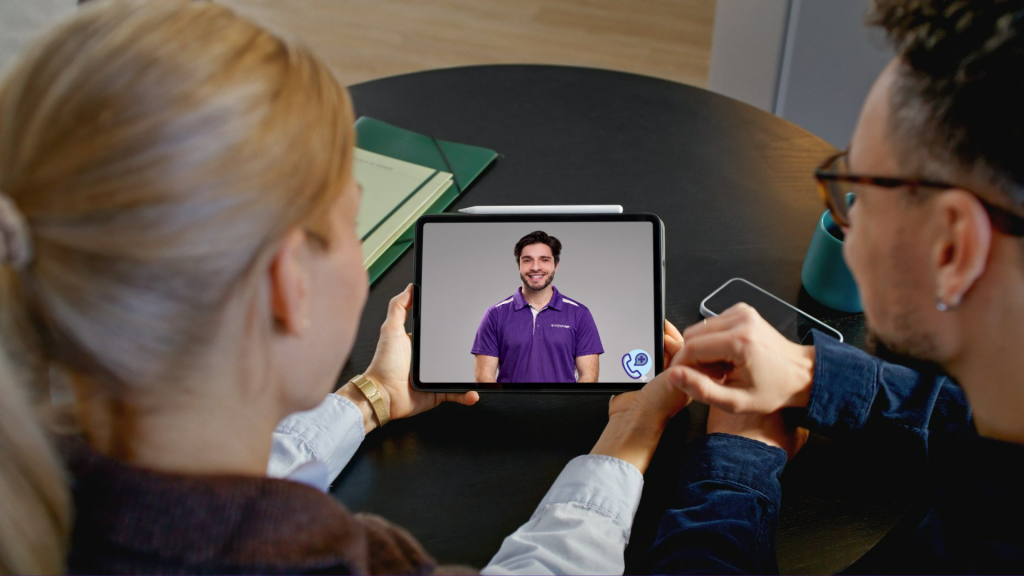
Managing allied health services within Support at Home packages (SAH) or residential aged care settings presents ongoing operational challenges: long wait-times for home visits, travel costs in regional areas, and coordination delays.
Integrating telehealth into your care plans offers a seamless solution. It allows home care providers, facility managers, and care coordinators to deliver consistent, high-quality allied health interventions—improving participant outcomes while maximising budget efficiency.
Expanding the scope of Allied Health in aged care
Telehealth is far more than a simple phone check-in. Using secure video technology, qualified clinicians deliver comprehensive assessments, monitoring, and therapy tailored to senior participants.
Key Allied Health services delivered via Telehealth:
- Physiotherapy & Mobility Maintenance: Guided fall-prevention exercises, balance training, mobility reassessments, and pain management routines.
- Occupational Therapy & Home Safety: Real-time visual home safety reviews, equipment recommendations, adaptive equipment training, and daily living skill support.
- Dietetics & Clinical Nutrition: Malnutrition screening, specialised meal planning, dysphagia dietary advice, and chronic disease management (e.g., diabetes, heart health).
- Podiatry & Preventative Care: Visual monitoring of high-risk feet, footwear evaluations, and guidance for care workers on daily foot hygiene and skin integrity.
Strategic Advantages for Aged Care Providers
- Maximising Support at Home (SAH) Value
Travel fees for in-person visits can consume a significant portion of a participant’s package budget. Telehealth minimises or eliminates travel costs, allowing more funding to go directly toward active clinical care and therapy sessions.
- Reduced Wait Times & Rapid Response
When a participant experiences a slight decline in mobility or needs urgent ergonomic adjustment, waiting weeks for an in-person visit increases risk. Telehealth enables faster triaging and intervention before minor issues turn into costly hospital admissions.
- Real-Environment Functional Assessments
Observing a participant move inside their familiar home environment provides authentic clinical insights. Clinicians can immediately evaluate how a participant maneuvers around their specific furniture, doorways, and bathroom setups.
- Seamless Collaboration with Support Staff & Families
Telehealth sessions easily accommodate family members, package managers, or on-site care workers. Care givers can participate in the call to learn hands-on exercise prompting or safety protocols directly from the therapist.
Simple framework for implementing Telehealth
Integrating telehealth into your care management workflows requires minimal friction:
|
Phase |
Provider Responsibility |
Clinician / Provider Support |
|
1. Triage & Eligibility |
Identify participants with care plan goals suitable for remote delivery (e.g., exercise progression, dietetics, equipment reviews). |
Conduct an initial suitability screen to ensure video consultation is safe and appropriate. |
|
2. Setup & Preparation |
Confirm the participant or home care worker has a connected device (tablet, laptop, or smartphone) and a quiet space. |
Provide simple join links and pre-session guides for participants and carers. |
|
3. Consultation & Delivery |
Optional: A care worker or family member assists with holding the device or assisting during movement tests. |
Deliver real-time therapy, prescribe exercise plans, and record clinical notes. |
|
4. Integrations & Reporting |
Review session summaries and incorporate recommendations into the overall HCP care plan. |
Provide documented outcomes, updated exercise charts, or equipment recommendations.
|
Partnering for better outcomes
Telehealth does not replace hands-on care when physical contact is clinically necessary; rather, it offers a flexible hybrid model that keeps clients engaged, safe, and supported between in-person visits.
By adopting telehealth-enabled allied health services, aged care providers can enhance service continuity, stretch package funding further, and deliver responsive care that honors clients’ independence at home.
How to Get Started
- Complete our online referral form
- Select your required service
- Enter “Telehealth” in the “About your referral” field
Download Telehealth Resources
Explore detailed service guides and information flyers below:

Telehealth Flyer
Dietetic Telehealth Flyer
